
How Apples Are Kept Fresh for Months Without Most People Knowing

Most shoppers assume the shiny apples stacked neatly in supermarkets were picked fairly recently. In reality, many apples sold in shops may have been harvested up to a year earlier. The surprising part is that they can still look fresh, crisp, and colourful despite spending months in storage.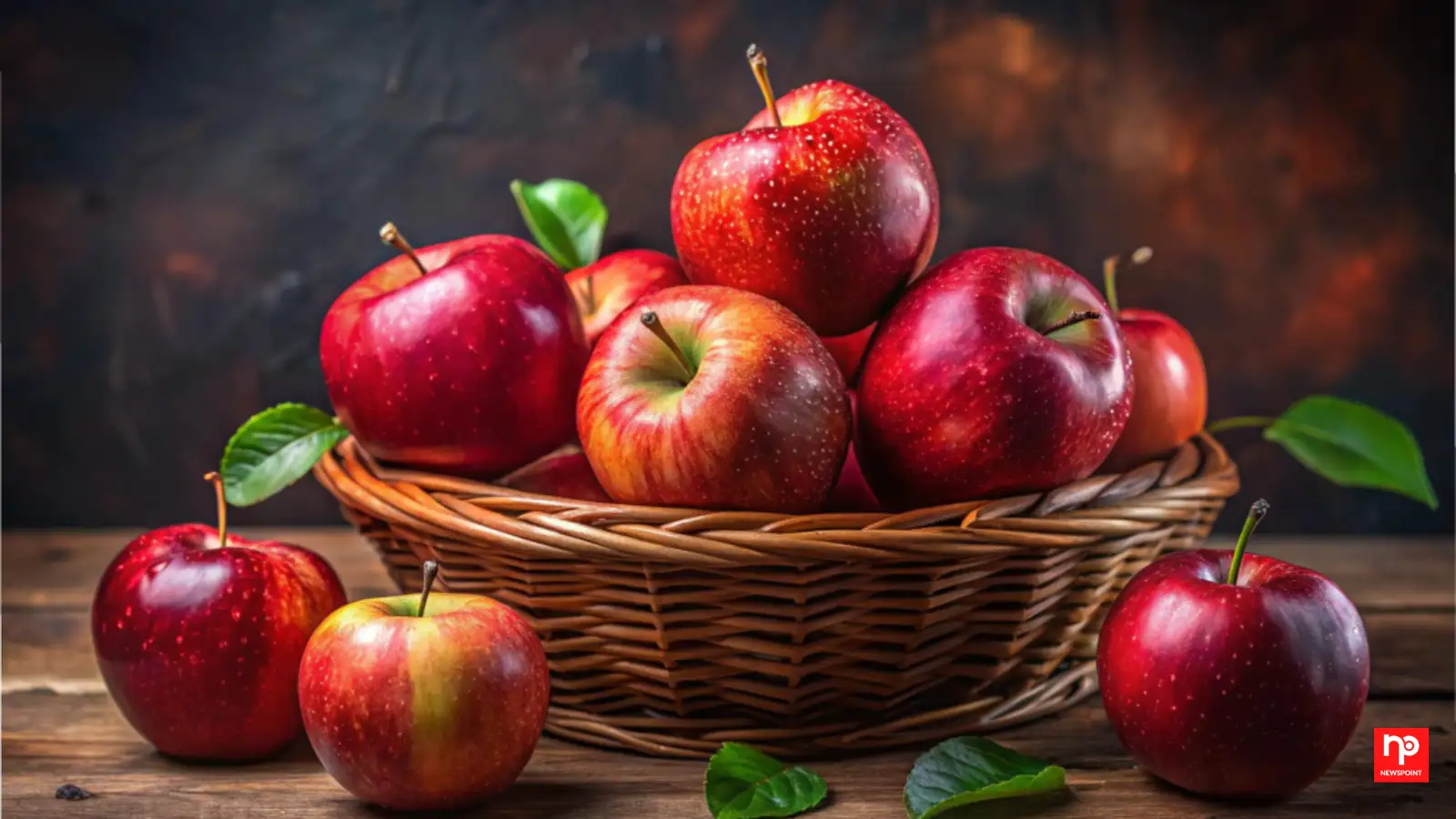
This is not because supermarkets use artificial plastic coatings or strange chemicals, as internet myths often claim. The real explanation involves one of the most advanced food preservation systems quietly operating behind the scenes of modern agriculture.
Inside these massive refrigerated warehouses, oxygen levels are reduced while carbon dioxide levels are carefully adjusted. Combined with low temperatures, this slows the apple’s metabolism almost to a standstill.
In simple terms, the fruit is placed into a carefully managed environment where ageing happens extremely slowly. Some facilities even monitor individual gas levels digitally around the clock to maintain precise storage conditions.
This system allows supermarkets to sell apples consistently throughout the year instead of only during harvest season.
Older heritage apple varieties often bruised easily or spoiled faster, making them less practical for modern retail systems. As a result, some consumers believe traditional apples had more distinctive taste profiles compared to many mass-produced varieties today.
Interestingly, smaller local orchards are now seeing renewed interest because people want fresher seasonal fruit with stronger flavour.
Transport also adds to the environmental impact. Apples sold in one country may travel thousands of miles before reaching supermarket shelves. In many cases, imported fruit competes with locally grown produce simply because it looks more visually perfect.
Environmental researchers increasingly encourage seasonal eating habits partly for this reason. Buying fruit during its natural harvest period often reduces storage emissions and transportation energy.
Supermarkets also rotate stock carefully to maintain visual freshness. Lighting, temperature control, and display techniques all influence how produce looks to customers.
However, chefs and food experts often say freshly harvested apples have brighter flavour, stronger aroma, and better texture than fruit stored for extended periods.
For many people, it is surprising to realise that a fresh looking apple purchased in spring may actually have been picked the previous autumn. Yet this hidden preservation network has become one of the defining features of modern global food culture.
This is not because supermarkets use artificial plastic coatings or strange chemicals, as internet myths often claim. The real explanation involves one of the most advanced food preservation systems quietly operating behind the scenes of modern agriculture.
The Science of Controlled Atmosphere Storage
Apples naturally continue to ripen after being picked. They release ethylene gas, a plant hormone that gradually softens the fruit and changes its texture and flavour. To slow this process dramatically, storage facilities use controlled atmosphere technology.Inside these massive refrigerated warehouses, oxygen levels are reduced while carbon dioxide levels are carefully adjusted. Combined with low temperatures, this slows the apple’s metabolism almost to a standstill.
In simple terms, the fruit is placed into a carefully managed environment where ageing happens extremely slowly. Some facilities even monitor individual gas levels digitally around the clock to maintain precise storage conditions.
This system allows supermarkets to sell apples consistently throughout the year instead of only during harvest season.
Why Modern Apples Taste Different From Older Varieties
While long-term storage keeps fruit visually attractive, some food historians argue it has also changed how apples are grown. Many supermarket varieties are selected for durability, shelf life, and transport resistance rather than rich flavour.Older heritage apple varieties often bruised easily or spoiled faster, making them less practical for modern retail systems. As a result, some consumers believe traditional apples had more distinctive taste profiles compared to many mass-produced varieties today.
Interestingly, smaller local orchards are now seeing renewed interest because people want fresher seasonal fruit with stronger flavour.
You may also like
- Users Frustrated by AI in Google Search; DuckDuckGo Emerges as a New Alternative
- Relief for Millions of Teachers: Supreme Court Extends Deadline to Pass TET
- Receive Pension Funds Even with Short Service: Simply Fill Out This Form
- India's Growth Momentum to Remain Robust Amid Global Tensions: RBI Expresses Confidence
- Don't Let Your Installment Get Stuck! Here's How to Quickly Complete PM-Kisan eKYC from Home
The Environmental Cost of Year Round Fresh Produce
Controlled atmosphere storage requires enormous energy use. Refrigeration systems operate continuously for months, consuming significant electricity to maintain stable temperatures and gas conditions.Transport also adds to the environmental impact. Apples sold in one country may travel thousands of miles before reaching supermarket shelves. In many cases, imported fruit competes with locally grown produce simply because it looks more visually perfect.
Environmental researchers increasingly encourage seasonal eating habits partly for this reason. Buying fruit during its natural harvest period often reduces storage emissions and transportation energy.
Why Consumers Rarely Notice the Difference
Modern packaging and refrigeration technology are highly effective at preserving appearance. Most shoppers judge fruit by colour, shine, and firmness rather than harvest dates.Supermarkets also rotate stock carefully to maintain visual freshness. Lighting, temperature control, and display techniques all influence how produce looks to customers.
However, chefs and food experts often say freshly harvested apples have brighter flavour, stronger aroma, and better texture than fruit stored for extended periods.
What This Reveals About Modern Food Systems
The story of supermarket apples reflects how disconnected modern food systems have become from natural growing seasons. Technology allows consumers to buy nearly any fruit at almost any time of year, but this convenience depends on enormous industrial infrastructure operating quietly in the background.For many people, it is surprising to realise that a fresh looking apple purchased in spring may actually have been picked the previous autumn. Yet this hidden preservation network has become one of the defining features of modern global food culture.






More from our partners


Loving Newspoint? Download the app now
