
Why Do Grapes Turn Into Raisins? The Fascinating Science of Fruit Preservation

A fresh grape and a raisin may look like completely different foods, but they are actually the same fruit at different stages. With time, sunlight, and careful drying, a juicy grape transforms into a wrinkled, sweet raisin that can last for months. But why does this happen so easily with grapes while most other fruits do not produce the same result? The answer lies in the grape’s natural balance of sugar, water, skin structure, and chemical composition. This simple transformation has been used for thousands of years, turning one of nature’s most delicate fruits into a long-lasting food enjoyed around the world.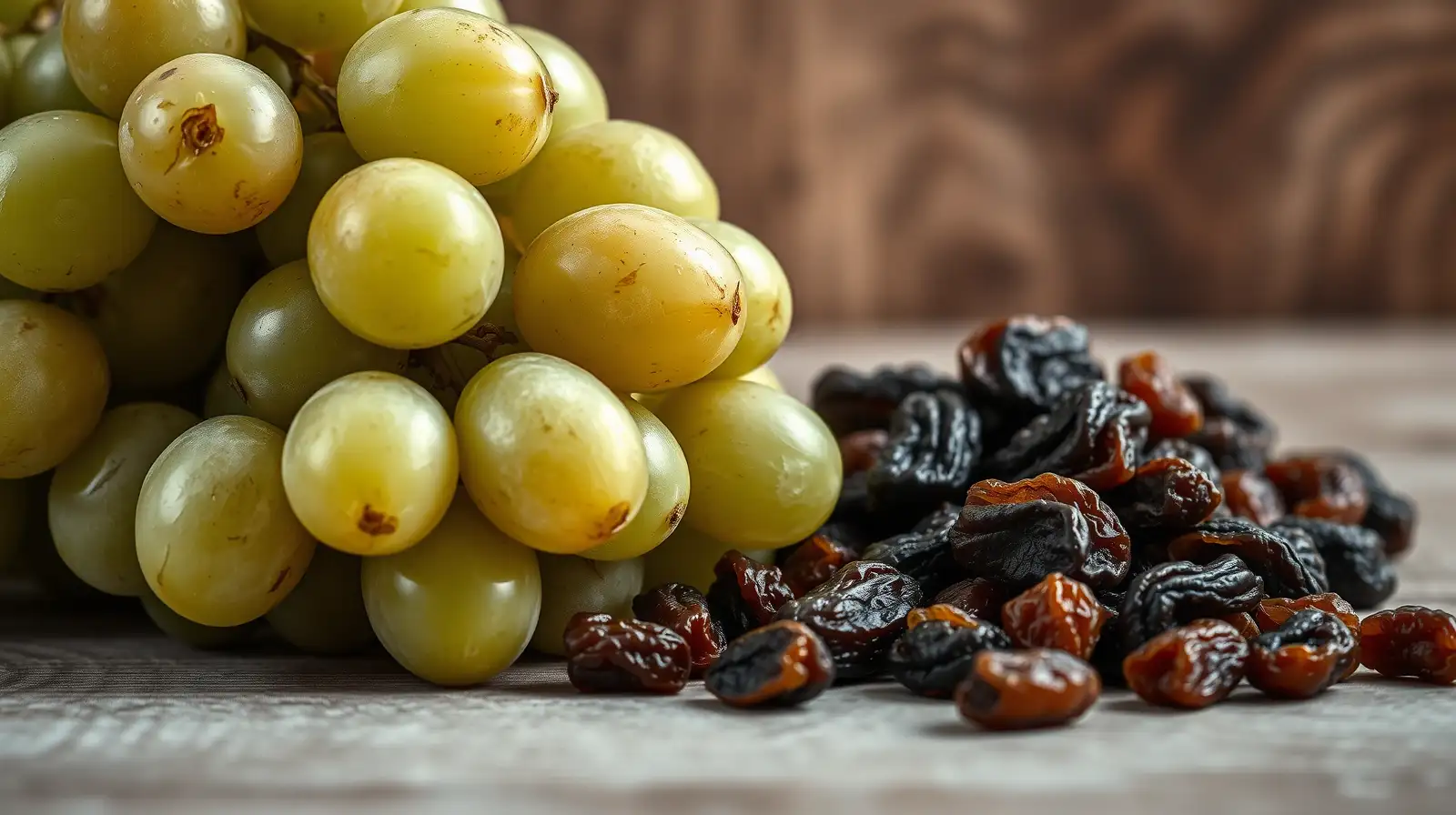
Many fruits contain high water content but do not have the same balance of sugars and structure needed to maintain flavour after losing moisture. For example, fruits like watermelon contain mostly water, so drying them can result in a very different texture and taste.
This process allows grapes to shrink slowly instead of breaking down completely. The skin acts like a natural protective layer, helping preserve the fruit during dehydration.
Raisins were particularly useful for travellers, sailors, and armies because they were lightweight, nutritious, and had a much longer shelf life than fresh grapes.
For example, drying a strawberry creates a different type of snack because its water content, acidity, and cellular structure are different from grapes.
The journey from grape to raisin shows how humans have used natural processes to preserve food for generations. A small, wrinkled raisin carries a fascinating story of chemistry, agriculture, and ancient innovation. What looks like a simple dried fruit is actually the result of a carefully balanced relationship between nature and time.
Why Grapes Can Become Raisins But Most Fruits Cannot
Grapes Have the Perfect Combination for Drying
The main reason grapes become raisins so successfully is their unique composition. Grapes naturally contain a high amount of sugar, especially glucose and fructose. When water slowly leaves the fruit during drying, these sugars become more concentrated, creating the sweet flavour associated with raisins.Many fruits contain high water content but do not have the same balance of sugars and structure needed to maintain flavour after losing moisture. For example, fruits like watermelon contain mostly water, so drying them can result in a very different texture and taste.
The Skin Plays an Important Role
A grape’s thin but strong skin helps control how moisture escapes. During drying, water gradually moves out while the fruit maintains its shape and concentrates its natural sugars.This process allows grapes to shrink slowly instead of breaking down completely. The skin acts like a natural protective layer, helping preserve the fruit during dehydration.
You may also like
- Everything was 'normal' in the first screening—so how could cancer show up in the second? The doctor explains the reason..
- 4 waterfalls near Hyderabad where you can safely swim this monsoon
- A therapist who has spent decades treating adults who were emotionally neglected as children says they share 5 relationship struggles
- Kangana Ranaut's Dream Home: A Rs 30 Crore Mansion in Manali
- Side Effects of Eating Too Many Eggs: Does eating 50 eggs at once really lead to death? Know the truth behind it?
Ancient People Used Grapes as Natural Food Storage
The tradition of making raisins dates back thousands of years. Ancient civilisations in regions around the Mediterranean discovered that dried grapes could provide a valuable source of energy and could be stored long after fresh fruit became unavailable.Raisins were particularly useful for travellers, sailors, and armies because they were lightweight, nutritious, and had a much longer shelf life than fresh grapes.
Why Some Fruits Do Not Become Raisins
Different fruits react differently when dried. Some become too hard, lose their flavour, or develop an unpleasant texture. Fruits with lower sugar levels or very delicate structures often cannot achieve the same sweet and chewy result.For example, drying a strawberry creates a different type of snack because its water content, acidity, and cellular structure are different from grapes.
Why Raisins Still Matter Today
Today, raisins remain popular in baking, breakfast foods, snacks, and traditional dishes worldwide. They are naturally rich in carbohydrates, fibre, and several essential nutrients, making them a convenient energy source.The journey from grape to raisin shows how humans have used natural processes to preserve food for generations. A small, wrinkled raisin carries a fascinating story of chemistry, agriculture, and ancient innovation. What looks like a simple dried fruit is actually the result of a carefully balanced relationship between nature and time.






More from our partners


Loving Newspoint? Download the app now
