
Why Some Flowers Rely on Bats Instead of Bees for Pollination

When people think of pollination, bees and butterflies usually steal the spotlight. Yet, once the sun sets, another group of pollinators quietly takes over. Bats play a vital role in helping certain flowers reproduce, particularly in tropical and desert regions. As they fly from bloom to bloom in search of nectar, they carry pollen on their fur, allowing plants to produce seeds and fruit. This remarkable partnership has evolved over millions of years and supports some of the world's most valuable plant species. Despite often being misunderstood, bats are among nature's most effective night-time gardeners, keeping ecosystems healthy while benefiting both wildlife and people.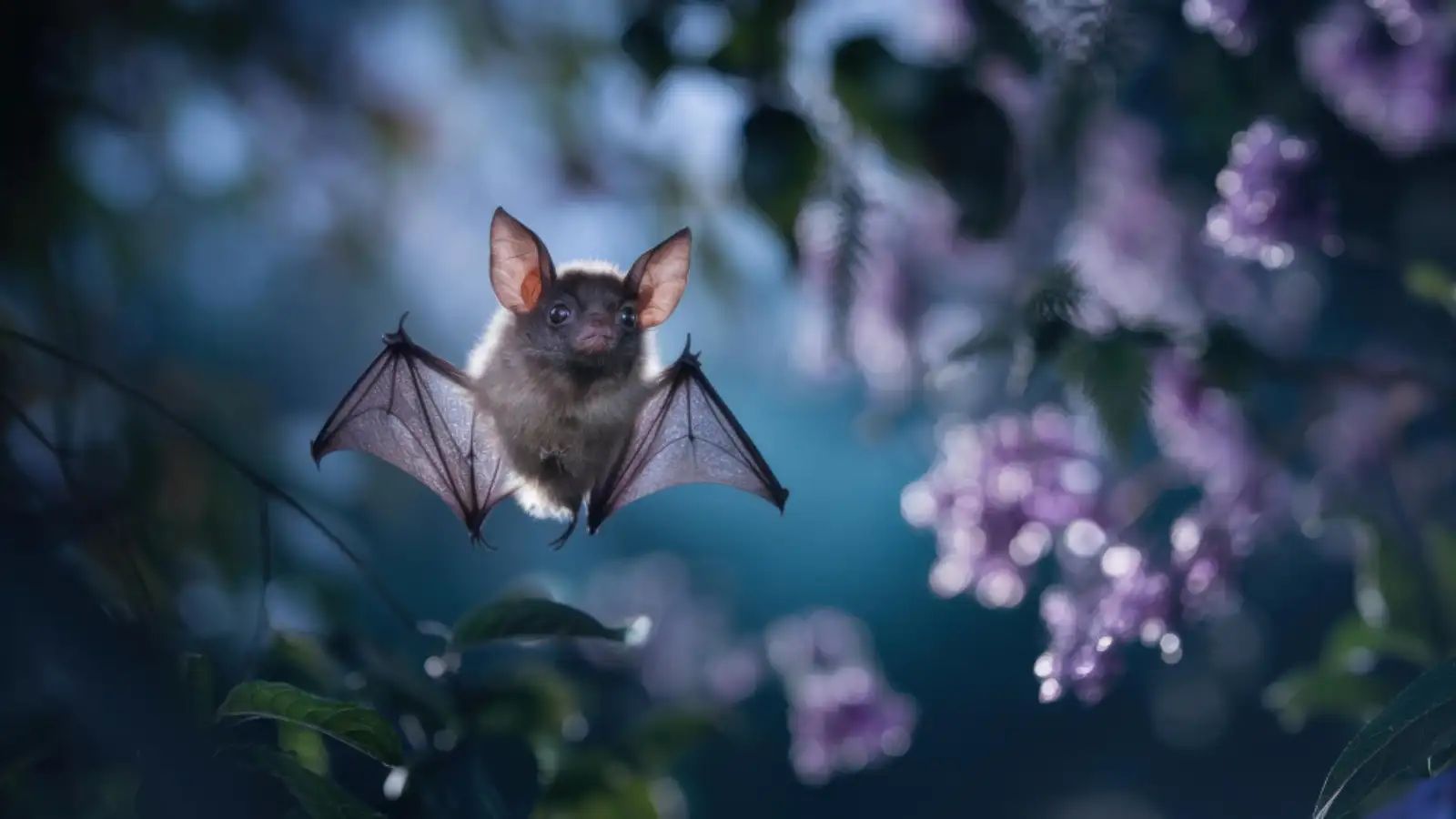
Bat-pollinated flowers tend to be large, pale in colour and easy to spot in low light. Rather than relying on bright colours, they produce strong, sweet or musky scents that guide bats towards their nectar.
These flowers also contain generous amounts of nectar because bats require a great deal of energy to sustain their nightly flights.
Unlike many insects, bats can travel several kilometres in a single night. This allows them to carry pollen over much greater distances, increasing genetic diversity among plant populations and helping ecosystems remain resilient.
Their ability to pollinate widely separated plants makes them especially valuable in forests and arid landscapes.
The iconic baobab tree, found across Africa, is another example. Its large white flowers open at night and produce abundant nectar specifically to attract bats.
Many species of cactus, including the famous saguaro in North America, also depend on bats during their flowering season. Tropical fruits such as durian and some varieties of banana benefit from bat pollination as well.
Some nectar-feeding bats have exceptionally long tongues that can extend beyond the length of their heads, allowing them to reach deep into tubular flowers that few other animals can access.
Researchers have also discovered that certain flowers produce sounds that help bats locate them using echolocation, making their search for nectar even more efficient.
This relationship also has economic importance. Crops and wild plants supported by bats contribute to local livelihoods, biodiversity and healthy forests. Protecting bat habitats helps safeguard both wildlife and valuable agricultural resources.
Simple conservation efforts, such as preserving native forests and reducing unnecessary disturbance of bat roosts, can make a significant difference.
Why Some Flowers Rely on Bats
Unlike bees, bats are active after dark. Many plants have adapted to this behaviour by blooming only at night, ensuring their flowers are open when their pollinators are most active.Bat-pollinated flowers tend to be large, pale in colour and easy to spot in low light. Rather than relying on bright colours, they produce strong, sweet or musky scents that guide bats towards their nectar.
These flowers also contain generous amounts of nectar because bats require a great deal of energy to sustain their nightly flights.
How Bats Pollinate Flowers
As nectar-feeding bats hover or briefly cling to flowers, their faces and furry bodies become coated with pollen. When they visit another flower of the same species, some of that pollen is transferred, enabling fertilisation.Unlike many insects, bats can travel several kilometres in a single night. This allows them to carry pollen over much greater distances, increasing genetic diversity among plant populations and helping ecosystems remain resilient.
Their ability to pollinate widely separated plants makes them especially valuable in forests and arid landscapes.
Plants That Benefit From Bat Pollination
Several well-known plants rely heavily on bats for successful pollination. Agave, the plant used to produce tequila, depends on nectar-feeding bats in many parts of Mexico. Without these bats, wild agave populations would struggle to reproduce naturally.The iconic baobab tree, found across Africa, is another example. Its large white flowers open at night and produce abundant nectar specifically to attract bats.
You may also like
- Heavy rain to lash multiple states this week as IMD flags flood threat and thunderstorms; what travellers need to know
- Essential Summer Hair Care Tips for a Healthy Scalp
- Guru Purnima 2026: Significance, Date, and Rituals
- Think your kitchen is clean? These 7 everyday items probably need more frequent cleaning
- Animal Memory Research Is Overturning Everything We Thought We Knew About Cognition
Many species of cactus, including the famous saguaro in North America, also depend on bats during their flowering season. Tropical fruits such as durian and some varieties of banana benefit from bat pollination as well.
Surprising Facts About Bat-Pollinated Flowers
Scientists estimate that more than 500 plant species worldwide depend partly or entirely on bats for pollination.Some nectar-feeding bats have exceptionally long tongues that can extend beyond the length of their heads, allowing them to reach deep into tubular flowers that few other animals can access.
Researchers have also discovered that certain flowers produce sounds that help bats locate them using echolocation, making their search for nectar even more efficient.
Why This Relationship Matters Today
Bat populations face growing threats from habitat destruction, climate change and disease. As their numbers decline, many bat-pollinated plants become more vulnerable, affecting entire ecosystems.This relationship also has economic importance. Crops and wild plants supported by bats contribute to local livelihoods, biodiversity and healthy forests. Protecting bat habitats helps safeguard both wildlife and valuable agricultural resources.
Simple conservation efforts, such as preserving native forests and reducing unnecessary disturbance of bat roosts, can make a significant difference.






Loving Newspoint? Download the app now
