
How Birds Help Spread Flower Seeds and Shape Nature's Landscapes

When people think about birds helping plants, pollination often comes to mind. Yet one of their most important contributions happens long after a flower has bloomed. Birds play a remarkable role in spreading flower seeds, allowing plants to colonise new areas and maintain healthy ecosystems. Every day, birds carry seeds across forests, grasslands, mountains and even cities without realising it. Some transport seeds after eating fruits, while others accidentally carry them on their feathers or feet. This natural partnership has existed for millions of years and continues to shape landscapes around the world. Understanding how birds spread flower seeds highlights just how interconnected wildlife and plant life truly are.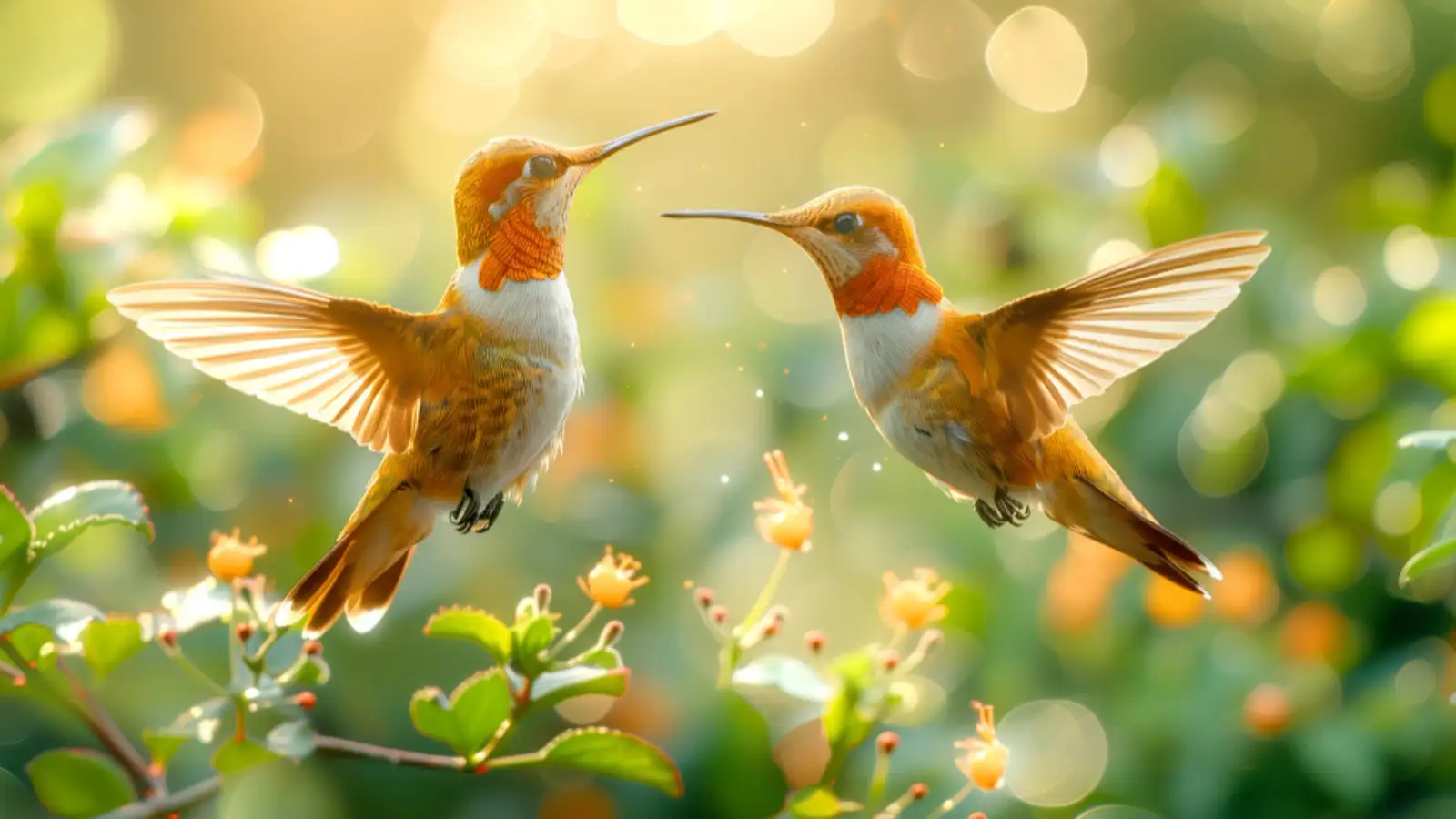
As birds travel in search of food, water or nesting sites, they eventually release these seeds in different locations. The seeds often land far from the parent plant, reducing competition for sunlight, water and nutrients.
This process, known as seed dispersal , gives young plants a much better chance of surviving and expanding into new habitats.
Other birds transport seeds externally. Tiny seeds can cling to muddy feet, feathers or even be carried in nesting materials before falling into new locations.
Some species, including jays, are also known for storing seeds as food reserves. Forgotten seeds often germinate, leading to the growth of entirely new plants.
Birds help solve this problem by distributing seeds over wide areas. This increases plant diversity, strengthens ecosystems and helps flowering plants recover after storms, fires or other natural disturbances.
Scientists believe bird-assisted seed dispersal has played a major role in shaping forests and grasslands across the world for thousands of years.
Researchers have also found that seeds passing through a bird's digestive system often germinate more successfully. The digestive process can soften the seed coating, making it easier for the young plant to emerge once conditions are right.
Large tropical birds such as hornbills are especially important because they can swallow and disperse large seeds that smaller birds cannot manage.
Healthy bird populations support healthier forests, meadows and gardens, which in turn provide food and shelter for insects, mammals and countless other species.
People can help by protecting native trees, planting berry-producing shrubs and preserving natural habitats where birds can feed and nest safely.
How Birds Become Nature's Seed Carriers
Many flowering plants produce colourful fruits specifically to attract birds. After eating the fruit, birds digest the nutritious flesh but leave the hard seeds largely unharmed.As birds travel in search of food, water or nesting sites, they eventually release these seeds in different locations. The seeds often land far from the parent plant, reducing competition for sunlight, water and nutrients.
This process, known as seed dispersal , gives young plants a much better chance of surviving and expanding into new habitats.
Different Birds Spread Seeds in Different Ways
Not all birds disperse seeds in the same manner. Fruit-eating birds such as thrushes, bulbuls and hornbills are among the most effective seed carriers because they consume large numbers of berries and small fruits.Other birds transport seeds externally. Tiny seeds can cling to muddy feet, feathers or even be carried in nesting materials before falling into new locations.
Some species, including jays, are also known for storing seeds as food reserves. Forgotten seeds often germinate, leading to the growth of entirely new plants.
Why Seed Dispersal Is So Important
If seeds simply dropped beneath the parent plant, many would struggle to survive. Young seedlings would compete with mature plants for light, moisture and nutrients, making growth far more difficult.Birds help solve this problem by distributing seeds over wide areas. This increases plant diversity, strengthens ecosystems and helps flowering plants recover after storms, fires or other natural disturbances.
You may also like
- Heavy rain to lash multiple states this week as IMD flags flood threat and thunderstorms; what travellers need to know
- Essential Summer Hair Care Tips for a Healthy Scalp
- Guru Purnima 2026: Significance, Date, and Rituals
- Think your kitchen is clean? These 7 everyday items probably need more frequent cleaning
- Animal Memory Research Is Overturning Everything We Thought We Knew About Cognition
Scientists believe bird-assisted seed dispersal has played a major role in shaping forests and grasslands across the world for thousands of years.
Surprising Facts About Birds and Flower Seeds
Some birds migrate hundreds or even thousands of kilometres, unintentionally carrying seeds over extraordinary distances. This helps explain how certain flowering plants appear in isolated regions and islands.Researchers have also found that seeds passing through a bird's digestive system often germinate more successfully. The digestive process can soften the seed coating, making it easier for the young plant to emerge once conditions are right.
Large tropical birds such as hornbills are especially important because they can swallow and disperse large seeds that smaller birds cannot manage.
Why This Natural Process Matters Today
Habitat destruction, climate change and declining bird populations threaten this ancient relationship between birds and flowering plants. As bird numbers fall, some plants lose their most effective method of spreading seeds.Healthy bird populations support healthier forests, meadows and gardens, which in turn provide food and shelter for insects, mammals and countless other species.
People can help by protecting native trees, planting berry-producing shrubs and preserving natural habitats where birds can feed and nest safely.






Loving Newspoint? Download the app now
