
How Mushrooms Help Forests Thrive Beneath the Surface

A walk through a forest often reveals mushrooms peeking through fallen leaves or growing on old tree stumps. While they may seem like temporary visitors, these fascinating organisms are part of a vast underground world that keeps forests alive. Mushrooms are simply the visible fruiting bodies of fungi, whose true structures spread through the soil in delicate threads known as mycelium. This hidden network connects plants, recycles nutrients and supports countless forms of life. The secret life of mushrooms in forests is far more complex than it appears, making fungi some of the most important yet overlooked members of healthy ecosystems.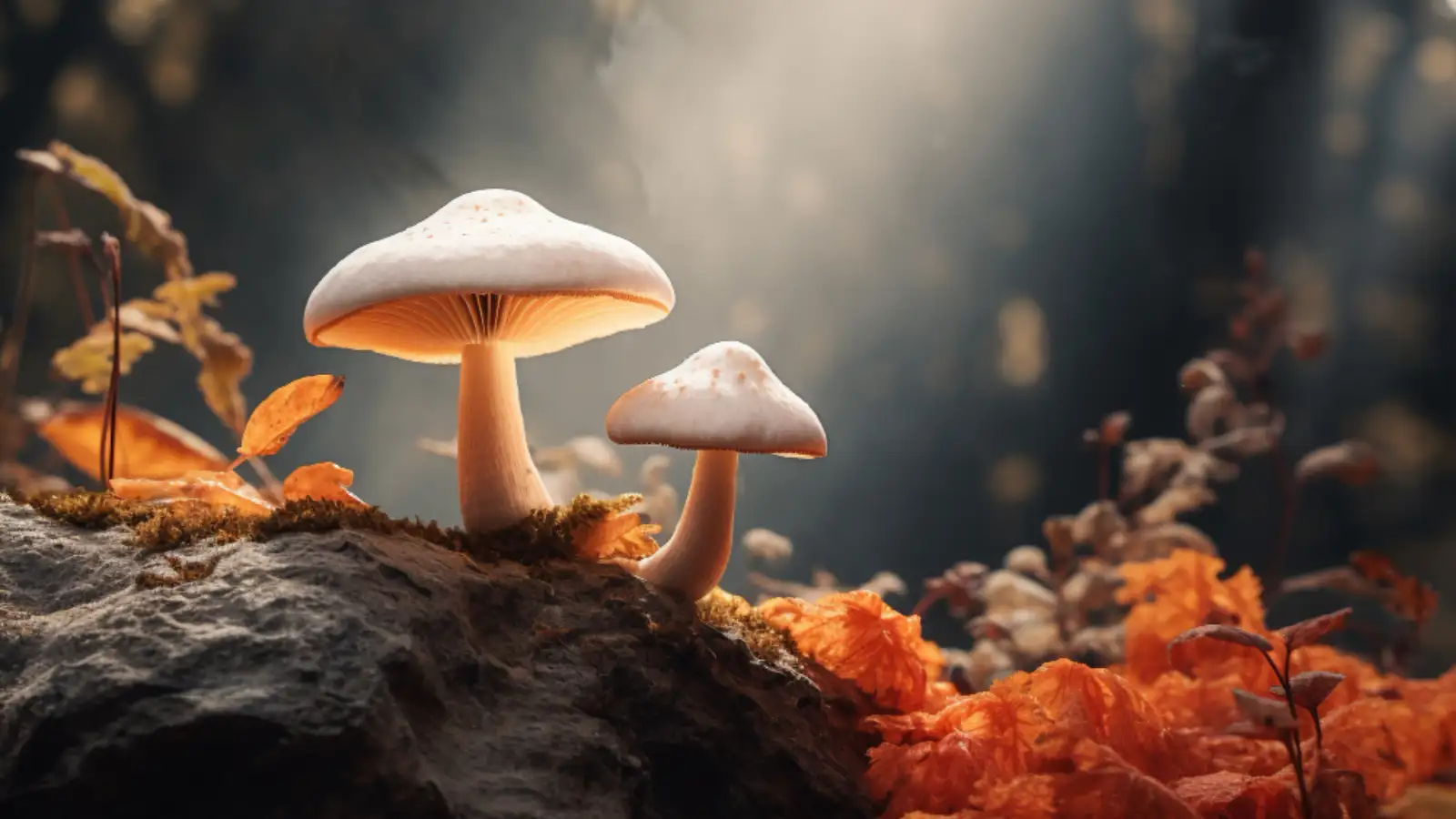
Through these relationships, fungi help plants absorb water and essential nutrients such as phosphorus and nitrogen. In return, trees provide fungi with sugars produced through photosynthesis. Scientists often describe this partnership as one of nature's oldest and most successful collaborations, allowing forests to flourish even in nutrient-poor soils.
As mushrooms digest this material, valuable nutrients are released back into the soil, where they become available for new plant growth. This natural recycling system keeps forests fertile and prevents enormous amounts of organic waste from building up over time.
Some fungi are among the few organisms capable of breaking down lignin, the tough compound that gives wood its strength. Without them, forests would look dramatically different.
Certain fungi also create habitats for insects and microorganisms, adding another layer of biodiversity beneath the forest floor. Even when mushrooms disappear from view, their underground networks continue supporting countless living organisms.
Some fungal networks are astonishingly old and extensive. Individual organisms can survive for hundreds or even thousands of years, quietly expanding beneath forests while remaining almost invisible above ground.
Researchers are also exploring fungi for sustainable farming, environmental restoration and even new medicines, highlighting their growing importance beyond the forest.
The Underground Network That Connects Forests
Beneath the forest floor lies an intricate web of fungal threads called mycelium. Stretching across surprisingly large areas, this underground network forms partnerships with the roots of trees and other plants.Through these relationships, fungi help plants absorb water and essential nutrients such as phosphorus and nitrogen. In return, trees provide fungi with sugars produced through photosynthesis. Scientists often describe this partnership as one of nature's oldest and most successful collaborations, allowing forests to flourish even in nutrient-poor soils.
Nature's Most Efficient Recyclers
One of the greatest contributions of mushrooms is their remarkable ability to break down dead organic matter. Fallen branches, leaves and decaying logs would accumulate rapidly without fungi to decompose them.As mushrooms digest this material, valuable nutrients are released back into the soil, where they become available for new plant growth. This natural recycling system keeps forests fertile and prevents enormous amounts of organic waste from building up over time.
You may also like
- Common mistakes by parents that silently damage children's immunity according to a wellness and nutrition coach
- Selena Gomez picked Oscar de la Renta for Taylor Swift's rehearsal dinner and the choice felt surprisingly personal
- Update or Add Your Aadhaar Email ID from Home for Free; UIDAI Offers Service Through Aadhaar App
- How to choose clothes for your baby: Moms share mistakes that secretly impacted their infant's health
- Effective Methods for Cleaning Your Water Tank
Some fungi are among the few organisms capable of breaking down lignin, the tough compound that gives wood its strength. Without them, forests would look dramatically different.
Mushrooms Support Wildlife in Surprising Ways
Many forest animals depend on fungi for survival. Deer, squirrels, insects, slugs and even tiny soil creatures feed on mushrooms throughout the year. Some mammals help spread fungal spores as they move through the forest, allowing new fungi to establish themselves elsewhere.Certain fungi also create habitats for insects and microorganisms, adding another layer of biodiversity beneath the forest floor. Even when mushrooms disappear from view, their underground networks continue supporting countless living organisms.
Lesser-Known Facts About Forest Fungi
Recent research has revealed that fungal networks can help trees cope with environmental stress. Older trees may indirectly support younger seedlings by sharing nutrients through interconnected fungal systems, improving their chances of survival during drought or poor growing conditions.Some fungal networks are astonishingly old and extensive. Individual organisms can survive for hundreds or even thousands of years, quietly expanding beneath forests while remaining almost invisible above ground.
Why Mushrooms Matter Today
Healthy forests play a vital role in storing carbon, protecting wildlife and regulating the climate. Mushrooms contribute to all of these processes by maintaining soil health and supporting tree growth. As forests face increasing threats from deforestation, pollution and climate change, preserving fungal diversity has become just as important as protecting the trees themselves.Researchers are also exploring fungi for sustainable farming, environmental restoration and even new medicines, highlighting their growing importance beyond the forest.






More from our partners


Loving Newspoint? Download the app now
