
How Wildflowers Help Save Endangered Bees and Why They Matter More Than Ever

A field filled with colourful wildflowers is more than just a beautiful landscape. It is a lifeline for countless bee species struggling to survive in a rapidly changing world. While honeybees often receive the most attention, many wild bee species are now endangered due to habitat loss , intensive farming, pollution and climate change. Wildflowers provide these essential pollinators with food, shelter and breeding opportunities that cultivated plants often cannot match. As scientists continue to study declining bee populations , one solution keeps proving its value: protecting and restoring wildflower habitats. Their survival is closely linked to the future of both wildlife and global food production.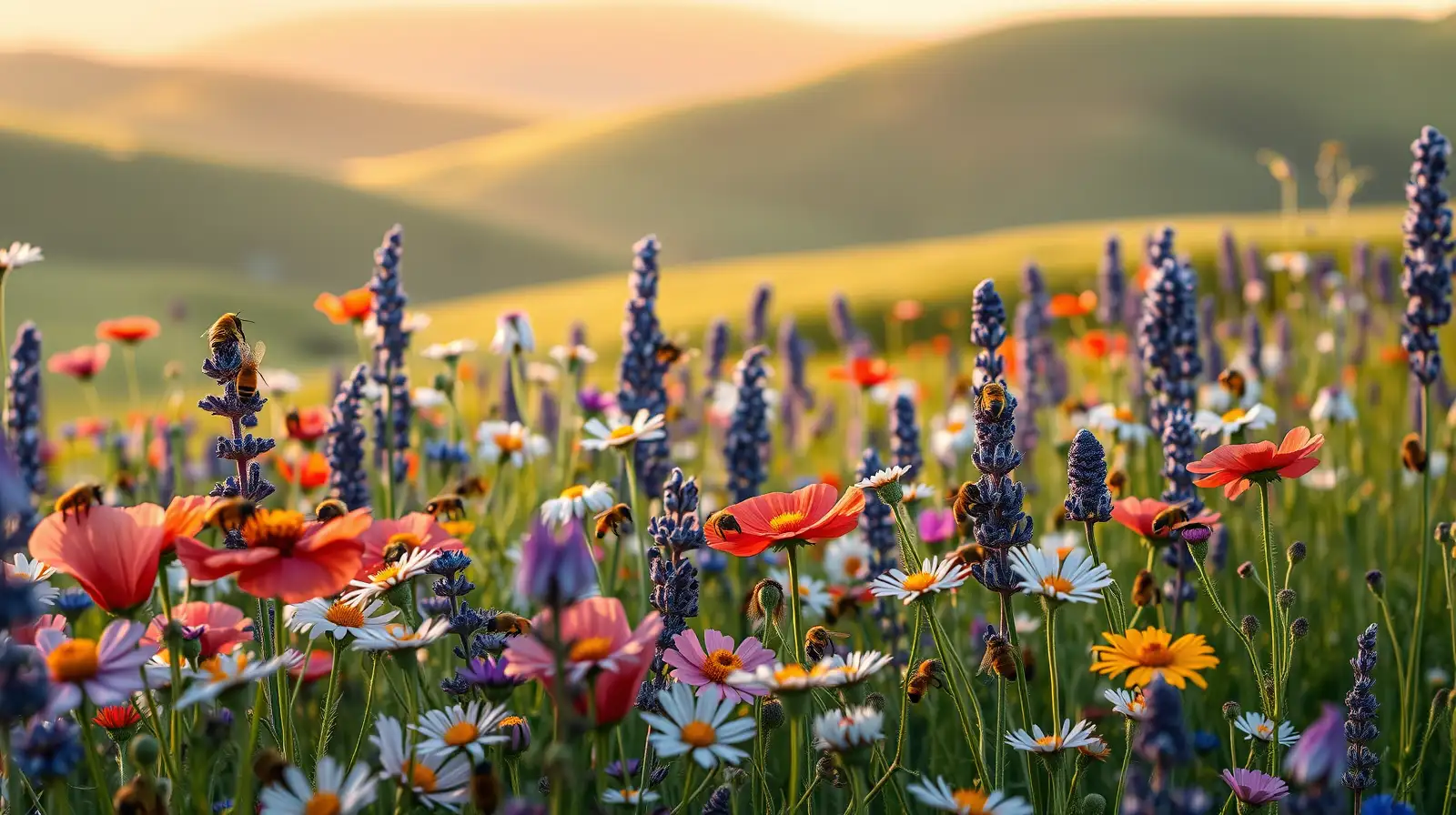
Different bee species have evolved alongside particular wildflowers. Some solitary bees, for example, collect pollen from only a handful of native plant species. If those flowers disappear, the bees may have nowhere else to feed or reproduce.
This close relationship means that protecting wildflowers is often one of the most effective ways to support endangered bee populations.
This staggered blooming season provides bees with a reliable source of nectar and pollen from spring through to autumn. It is especially important for queen bees emerging after winter and for young bees developing later in the season.
Without this continuous supply of food, many bee colonies and solitary species struggle to survive.
Many solitary bees build nests in the bare ground found among wildflower meadows, while others use hollow stems left behind after flowering plants die back. Dense vegetation also offers protection from predators and harsh weather.
Modern landscaping and intensive agriculture often remove these natural features, leaving bees with fewer places to live and breed successfully.
Some endangered bees are so specialised that they can identify the scent, shape and even the colour of their preferred wildflowers with remarkable accuracy. These long-standing partnerships have developed over millions of years through evolution.
Research has also shown that even small patches of native wildflowers in parks, roadsides and gardens can significantly increase local bee populations by providing valuable feeding stations.
The consequences extend far beyond wildlife. Bees pollinate crops such as apples, strawberries, tomatoes and many other fruits and vegetables that people eat every day. Fewer bees could eventually affect food production, biodiversity and ecosystem health.
Fortunately, individuals can make a difference by planting native wildflowers, reducing pesticide use and supporting conservation projects that restore natural habitats.
Why Endangered Bees Depend on Wildflowers
Bees rely on nectar for energy and pollen for protein, which is vital for raising their young. Wildflowers offer both in abundance, often producing richer and more diverse food sources than ornamental garden plants or large-scale crops.Different bee species have evolved alongside particular wildflowers. Some solitary bees, for example, collect pollen from only a handful of native plant species. If those flowers disappear, the bees may have nowhere else to feed or reproduce.
This close relationship means that protecting wildflowers is often one of the most effective ways to support endangered bee populations.
A Continuous Food Supply Throughout the Seasons
One of the greatest strengths of wildflower meadows is their diversity. Unlike many crops that bloom for only a few weeks, different wildflower species flower at different times of the year.This staggered blooming season provides bees with a reliable source of nectar and pollen from spring through to autumn. It is especially important for queen bees emerging after winter and for young bees developing later in the season.
Without this continuous supply of food, many bee colonies and solitary species struggle to survive.
More Than Food: A Safe Home for Bees
Wildflower habitats provide more than just nourishment. They also create ideal environments for nesting and shelter.Many solitary bees build nests in the bare ground found among wildflower meadows, while others use hollow stems left behind after flowering plants die back. Dense vegetation also offers protection from predators and harsh weather.
You may also like
- Heavy rain to lash multiple states this week as IMD flags flood threat and thunderstorms; what travellers need to know
- Essential Summer Hair Care Tips for a Healthy Scalp
- Guru Purnima 2026: Significance, Date, and Rituals
- Think your kitchen is clean? These 7 everyday items probably need more frequent cleaning
- Animal Memory Research Is Overturning Everything We Thought We Knew About Cognition
Modern landscaping and intensive agriculture often remove these natural features, leaving bees with fewer places to live and breed successfully.
Surprising Facts About Wildflowers and Bees
Scientists estimate that around three-quarters of flowering plants and more than a third of global food crops depend on animal pollinators, with bees playing a leading role.Some endangered bees are so specialised that they can identify the scent, shape and even the colour of their preferred wildflowers with remarkable accuracy. These long-standing partnerships have developed over millions of years through evolution.
Research has also shown that even small patches of native wildflowers in parks, roadsides and gardens can significantly increase local bee populations by providing valuable feeding stations.
Why Protecting Wildflowers Matters Today
The decline of wildflower habitats has accelerated over the past century as urban development and intensive farming have expanded. Many natural meadows have disappeared, reducing the food available for bees.The consequences extend far beyond wildlife. Bees pollinate crops such as apples, strawberries, tomatoes and many other fruits and vegetables that people eat every day. Fewer bees could eventually affect food production, biodiversity and ecosystem health.
Fortunately, individuals can make a difference by planting native wildflowers, reducing pesticide use and supporting conservation projects that restore natural habitats.






Loving Newspoint? Download the app now
