
The World's Loneliest Tree Had Roots 30 Metres Deep and No Other Tree for 400 km

Hidden in the heart of the Sahara Desert, the World's Loneliest Tree stood as one of nature's most astonishing survival stories. Known as the Tree of Ténéré , this solitary umbrella thorn acacia survived for nearly 300 years despite growing in one of the harshest environments on Earth. With no other tree for almost 400 kilometres in any direction, it became a lifeline for desert travellers and a symbol of resilience. But after overcoming centuries of scorching temperatures, sandstorms and drought, the legendary tree was destroyed in a single moment by a truck accident in 1973.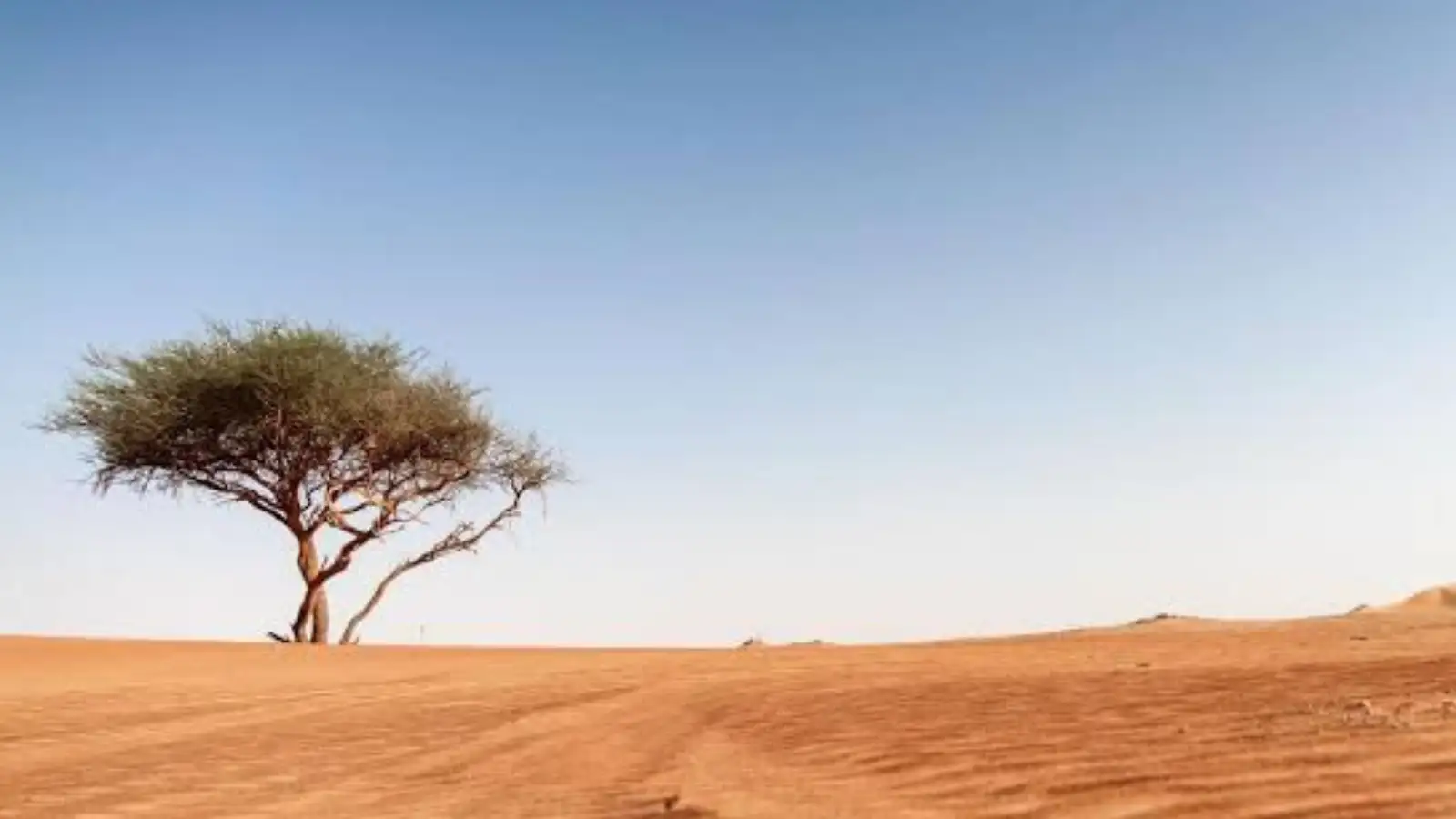
Where was the World's Loneliest Tree located?
The Tree of Ténéré stood in the remote Ténéré Desert of northeastern Niger, one of the driest and most unforgiving parts of the Sahara. Rainfall in the region is extremely rare, while summer temperatures regularly climb above 45°C, making it nearly impossible for vegetation to thrive.
The tree was an umbrella thorn acacia (Vachellia tortilis), believed to have lived for around three centuries. Scientists suggest it was the final survivor of a greener Sahara that existed thousands of years ago, when rivers, lakes and forests covered large parts of North Africa. As the climate gradually became drier, almost every tree disappeared, leaving this lone acacia standing in complete isolation.
How did the Tree of Ténéré survive in the middle of the Sahara?
For decades, explorers and scientists wondered how a single tree could stay alive in such a barren landscape.
The mystery was solved in 1938, when engineers digging a nearby well uncovered the tree's remarkable secret. Its roots had stretched between 33 and 36 metres beneath the desert floor, reaching ancient underground water reserves hidden far below the surface.
This extraordinary root network supplied the tree with enough moisture to survive despite receiving almost no rainfall. Thanks to this hidden water source, the acacia endured relentless heat, fierce sandstorms and decades of drought that wiped out almost every other plant in the surrounding desert.
Why was it known as the World's Loneliest Tree?
The Tree of Ténéré earned worldwide recognition because it was the only known tree within approximately 400 kilometres in every direction.
Long before modern navigation systems existed, the solitary tree became one of the Sahara's most valuable landmarks. Tuareg caravans, camel traders, explorers, French military expeditions and later motorists relied on it to navigate the endless sea of dunes.
Its importance was so remarkable that mapmakers marked the individual tree on official maps of North Africa—an honour rarely given to a single living tree. For countless travellers, spotting the acacia meant they were following the correct route through one of the planet's most featureless landscapes.
A natural landmark respected for generations
Although wood was scarce in the desert, local Tuareg communities treated the tree with great respect.
People deliberately avoided cutting its branches or allowing livestock to feed on its leaves. A nearby well also made the location an essential resting point for caravans crossing the Sahara, turning the tree into both a navigation marker and a vital oasis stop.
Over time, it became far more than a desert plant. The Tree of Ténéré came to represent endurance, hope and survival, reassuring travellers that they had successfully crossed one of the world's toughest landscapes.
The accident that ended a 300-year-old survival story
After surviving centuries of extreme weather, isolation and unforgiving desert conditions, the Tree of Ténéré finally met an unexpected fate.
In 1973, the legendary acacia was struck by a truck. According to widely reported accounts, the vehicle was being driven by a reportedly intoxicated Libyan driver who somehow crashed into the only tree standing for hundreds of kilometres.
The irony of the incident made headlines around the world. Nature had failed to destroy the tree for nearly 300 years, but one human mistake brought its incredible story to an abrupt end in just a few seconds.
What stands at the site today?
Following the accident, the remains of the original tree were carefully moved to the National Museum of Niger in the capital city of Niamey, where they continue to be preserved.
Rather than planting another tree, authorities installed a striking metal sculpture at the exact location where the acacia once stood. The artistic monument honours one of the Sahara's most iconic natural landmarks and keeps its remarkable story alive for future generations.
Another replica was later erected in the historic city of Agadez, further celebrating the tree's unique place in history.
Why wasn't another tree planted?
Many visitors wonder why conservationists never replaced the famous acacia with a new sapling.
The answer lies beneath the desert sands.
The original Tree of Ténéré survived only because its roots gradually reached groundwater located more than 30 metres underground, a process that took decades. A newly planted tree would almost certainly die long before developing such an extensive root system unless it received continuous irrigation and care.
In one of the driest places on Earth, recreating the natural conditions that sustained the original tree is virtually impossible. The monument therefore serves as a tribute not only to the tree itself but also to the extraordinary geological conditions that made its survival possible.
The lasting legacy of the World's Loneliest Tree
More than five decades after its destruction, the Tree of Ténéré continues to inspire scientists, historians and travellers alike.
Its story is a powerful reminder of nature's resilience and the delicate balance that allows life to flourish even in the harshest environments. Standing alone in the Sahara for nearly three centuries, the tree guided generations of people across endless dunes while surviving on hidden groundwater deep beneath the desert.
Although the living acacia is gone, its legacy lives on through the monument marking its former location and the preserved remains displayed in Niger's National Museum. The World's Loneliest Tree remains one of history's most extraordinary examples of endurance, survival and the unexpected fragility of even nature's greatest wonders.
Where was the World's Loneliest Tree located?
The Tree of Ténéré stood in the remote Ténéré Desert of northeastern Niger, one of the driest and most unforgiving parts of the Sahara. Rainfall in the region is extremely rare, while summer temperatures regularly climb above 45°C, making it nearly impossible for vegetation to thrive.
The tree was an umbrella thorn acacia (Vachellia tortilis), believed to have lived for around three centuries. Scientists suggest it was the final survivor of a greener Sahara that existed thousands of years ago, when rivers, lakes and forests covered large parts of North Africa. As the climate gradually became drier, almost every tree disappeared, leaving this lone acacia standing in complete isolation.
How did the Tree of Ténéré survive in the middle of the Sahara?
For decades, explorers and scientists wondered how a single tree could stay alive in such a barren landscape.
The mystery was solved in 1938, when engineers digging a nearby well uncovered the tree's remarkable secret. Its roots had stretched between 33 and 36 metres beneath the desert floor, reaching ancient underground water reserves hidden far below the surface.
This extraordinary root network supplied the tree with enough moisture to survive despite receiving almost no rainfall. Thanks to this hidden water source, the acacia endured relentless heat, fierce sandstorms and decades of drought that wiped out almost every other plant in the surrounding desert.
Why was it known as the World's Loneliest Tree?
The Tree of Ténéré earned worldwide recognition because it was the only known tree within approximately 400 kilometres in every direction.
Long before modern navigation systems existed, the solitary tree became one of the Sahara's most valuable landmarks. Tuareg caravans, camel traders, explorers, French military expeditions and later motorists relied on it to navigate the endless sea of dunes.
Its importance was so remarkable that mapmakers marked the individual tree on official maps of North Africa—an honour rarely given to a single living tree. For countless travellers, spotting the acacia meant they were following the correct route through one of the planet's most featureless landscapes.
A natural landmark respected for generations
Although wood was scarce in the desert, local Tuareg communities treated the tree with great respect.
People deliberately avoided cutting its branches or allowing livestock to feed on its leaves. A nearby well also made the location an essential resting point for caravans crossing the Sahara, turning the tree into both a navigation marker and a vital oasis stop.
Over time, it became far more than a desert plant. The Tree of Ténéré came to represent endurance, hope and survival, reassuring travellers that they had successfully crossed one of the world's toughest landscapes.
The accident that ended a 300-year-old survival story
After surviving centuries of extreme weather, isolation and unforgiving desert conditions, the Tree of Ténéré finally met an unexpected fate.
In 1973, the legendary acacia was struck by a truck. According to widely reported accounts, the vehicle was being driven by a reportedly intoxicated Libyan driver who somehow crashed into the only tree standing for hundreds of kilometres.
The irony of the incident made headlines around the world. Nature had failed to destroy the tree for nearly 300 years, but one human mistake brought its incredible story to an abrupt end in just a few seconds.
What stands at the site today?
Following the accident, the remains of the original tree were carefully moved to the National Museum of Niger in the capital city of Niamey, where they continue to be preserved.
Rather than planting another tree, authorities installed a striking metal sculpture at the exact location where the acacia once stood. The artistic monument honours one of the Sahara's most iconic natural landmarks and keeps its remarkable story alive for future generations.
Another replica was later erected in the historic city of Agadez, further celebrating the tree's unique place in history.
Why wasn't another tree planted?
Many visitors wonder why conservationists never replaced the famous acacia with a new sapling.
You may also like
- PM Modi to flag off Sant Ravidas Express to boost travel between Varanasi and Amritsar; date, route, timings and major stops revealed
- Tooth Regeneration: Is the need for dentures about to end? The body could grow its own teeth!
- Wooden Table Cleaning Tips: Is your wooden dining table old? Get it shining like new with these easy hacks.
- Home Decor Tips: Is your room small, but you want a luxurious look? Make even a small room feel like a palace!
- Essential Foods to Avoid During Monsoon Season
The answer lies beneath the desert sands.
The original Tree of Ténéré survived only because its roots gradually reached groundwater located more than 30 metres underground, a process that took decades. A newly planted tree would almost certainly die long before developing such an extensive root system unless it received continuous irrigation and care.
In one of the driest places on Earth, recreating the natural conditions that sustained the original tree is virtually impossible. The monument therefore serves as a tribute not only to the tree itself but also to the extraordinary geological conditions that made its survival possible.
The lasting legacy of the World's Loneliest Tree
More than five decades after its destruction, the Tree of Ténéré continues to inspire scientists, historians and travellers alike.
Its story is a powerful reminder of nature's resilience and the delicate balance that allows life to flourish even in the harshest environments. Standing alone in the Sahara for nearly three centuries, the tree guided generations of people across endless dunes while surviving on hidden groundwater deep beneath the desert.
Although the living acacia is gone, its legacy lives on through the monument marking its former location and the preserved remains displayed in Niger's National Museum. The World's Loneliest Tree remains one of history's most extraordinary examples of endurance, survival and the unexpected fragility of even nature's greatest wonders.






More from our partners


Loving Newspoint? Download the app now
