
These 10 Herbs and Spices Changed the Way We Cook, Eat and Enjoy Food

Every year on June 10, National Herbs and Spices Day honours the incredible ingredients that have shaped culinary traditions across continents. From adding depth and aroma to enhancing colour and taste, herbs and spices have played a vital role in transforming ordinary meals into unforgettable experiences. Beyond the kitchen, many of these ingredients have influenced trade, culture, and even history. Here’s a look at 10 herbs and spices that changed the way the world eats.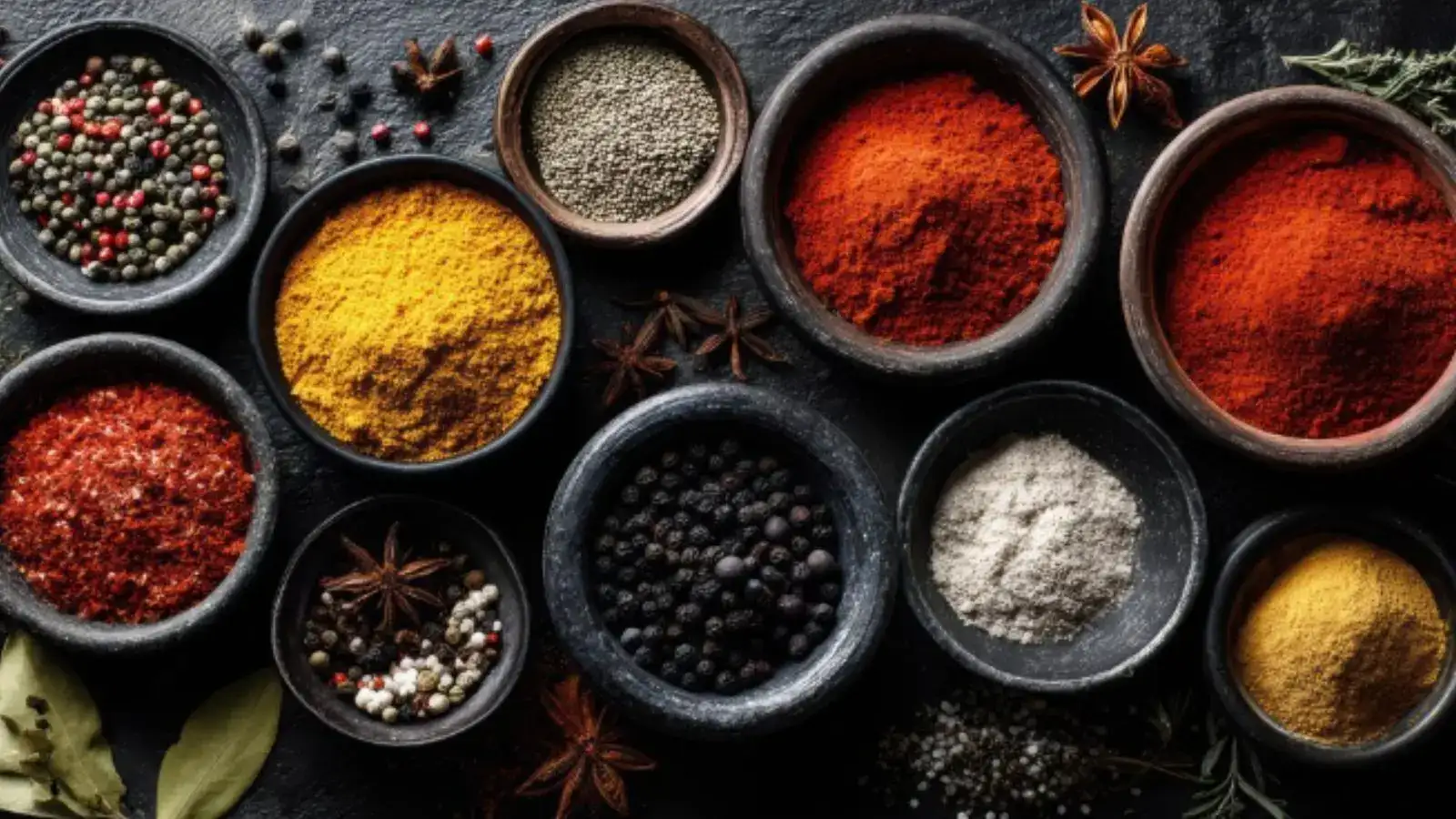
Black Pepper : The Spice That Connected Continents
Often referred to as the "King of Spices," black pepper was once among the most sought-after commodities in the world. Its immense value fuelled international trade routes and inspired explorers to search for new passages across oceans. Today, it remains a kitchen essential, adding warmth and depth to countless dishes.
Cinnamon : A Timeless Culinary Treasure
With a history dating back thousands of years, cinnamon has long been cherished for its sweet fragrance and distinctive flavour. Ancient civilisations prized it as a luxury ingredient, and it continues to be a favourite in baked goods, beverages, and savoury recipes across the globe.
Turmeric : The Golden Ingredient of Wellness
Recognisable by its vibrant yellow hue, turmeric has been a cornerstone of traditional cooking and healing practices for centuries. Widely used in Asian cuisine, this powerful spice is celebrated for both its earthy flavour and its reputation as a health-supporting ingredient.
Basil: The Herb That Bridges Cultures
Basil is one of the most versatile herbs found in kitchens worldwide. Whether blended into Italian pesto, sprinkled over salads, or added to fragrant Asian dishes, its fresh aroma and unique taste make it a favourite among chefs and home cooks alike.
Saffron: The Precious Jewel of the Spice World
Known as the world's most expensive spice, saffron is harvested from delicate flower stigmas, making its production highly labour-intensive. Its distinctive colour, aroma, and flavour have made it a prized ingredient in luxurious dishes for generations.
Ginger: A Flavourful Staple Across Continents
From warming teas to spicy curries and delectable desserts, ginger has earned a permanent place in global cuisine . Its bold, zesty profile and long-standing use in traditional remedies contribute to its enduring popularity.
Mint: Nature’s Refreshing Herb
Mint is celebrated for its cooling sensation and refreshing taste. Used in beverages, desserts, chutneys, and savoury dishes, this aromatic herb adds brightness to recipes and is enjoyed in countless culinary traditions worldwide.
Chilli Peppers : Bringing Heat to Every Plate
The introduction of chilli peppers dramatically changed food cultures around the world. Their fiery kick transformed regional cuisines, creating the spicy dishes that many people love today. From mild warmth to intense heat, chillies continue to redefine flavour experiences.
Cardamom : The Queen of Aromatic Spices
Cardamom is treasured for its rich fragrance and naturally sweet flavour. Frequently used in teas, rice dishes, curries, and desserts, this luxurious spice has been a staple in both Eastern and Middle Eastern cuisines for centuries.
Clove: Small Spice, Powerful Impact
Cloves may be tiny, but they deliver a bold aroma and intense flavour. Historically valued along ancient trade routes, they remain an important ingredient in spice blends, festive treats, and savoury recipes around the world.
Why Herbs and Spices Remain Essential Today
Herbs and spices do much more than enhance taste. They represent centuries of cultural exchange, culinary innovation, and tradition. As National Herbs and Spices Day is celebrated, it's the perfect opportunity to appreciate the ingredients that continue to inspire cuisines and connect people through food.
Black Pepper : The Spice That Connected Continents
Often referred to as the "King of Spices," black pepper was once among the most sought-after commodities in the world. Its immense value fuelled international trade routes and inspired explorers to search for new passages across oceans. Today, it remains a kitchen essential, adding warmth and depth to countless dishes.
Cinnamon : A Timeless Culinary Treasure
With a history dating back thousands of years, cinnamon has long been cherished for its sweet fragrance and distinctive flavour. Ancient civilisations prized it as a luxury ingredient, and it continues to be a favourite in baked goods, beverages, and savoury recipes across the globe.
Turmeric : The Golden Ingredient of Wellness
Recognisable by its vibrant yellow hue, turmeric has been a cornerstone of traditional cooking and healing practices for centuries. Widely used in Asian cuisine, this powerful spice is celebrated for both its earthy flavour and its reputation as a health-supporting ingredient.
Basil: The Herb That Bridges Cultures
Basil is one of the most versatile herbs found in kitchens worldwide. Whether blended into Italian pesto, sprinkled over salads, or added to fragrant Asian dishes, its fresh aroma and unique taste make it a favourite among chefs and home cooks alike.
Saffron: The Precious Jewel of the Spice World
Known as the world's most expensive spice, saffron is harvested from delicate flower stigmas, making its production highly labour-intensive. Its distinctive colour, aroma, and flavour have made it a prized ingredient in luxurious dishes for generations.
Ginger: A Flavourful Staple Across Continents
From warming teas to spicy curries and delectable desserts, ginger has earned a permanent place in global cuisine . Its bold, zesty profile and long-standing use in traditional remedies contribute to its enduring popularity.
Mint: Nature’s Refreshing Herb
Mint is celebrated for its cooling sensation and refreshing taste. Used in beverages, desserts, chutneys, and savoury dishes, this aromatic herb adds brightness to recipes and is enjoyed in countless culinary traditions worldwide.
Chilli Peppers : Bringing Heat to Every Plate
The introduction of chilli peppers dramatically changed food cultures around the world. Their fiery kick transformed regional cuisines, creating the spicy dishes that many people love today. From mild warmth to intense heat, chillies continue to redefine flavour experiences.
Cardamom : The Queen of Aromatic Spices
Cardamom is treasured for its rich fragrance and naturally sweet flavour. Frequently used in teas, rice dishes, curries, and desserts, this luxurious spice has been a staple in both Eastern and Middle Eastern cuisines for centuries.
Clove: Small Spice, Powerful Impact
Cloves may be tiny, but they deliver a bold aroma and intense flavour. Historically valued along ancient trade routes, they remain an important ingredient in spice blends, festive treats, and savoury recipes around the world.
Why Herbs and Spices Remain Essential Today
Herbs and spices do much more than enhance taste. They represent centuries of cultural exchange, culinary innovation, and tradition. As National Herbs and Spices Day is celebrated, it's the perfect opportunity to appreciate the ingredients that continue to inspire cuisines and connect people through food.
Next Story