
3 Traditional Indian Ingredients That Are Disappearing From Kitchens

India's culinary heritage is built on an incredible variety of regional flavours, unique spices and age-old pantry staples. From the Himalayas to the coastal regions, every state has developed ingredients that define its local cuisine. However, changing lifestyles, packaged foods and modern cooking habits are gradually pushing some traditional Indian ingredients out of everyday kitchens.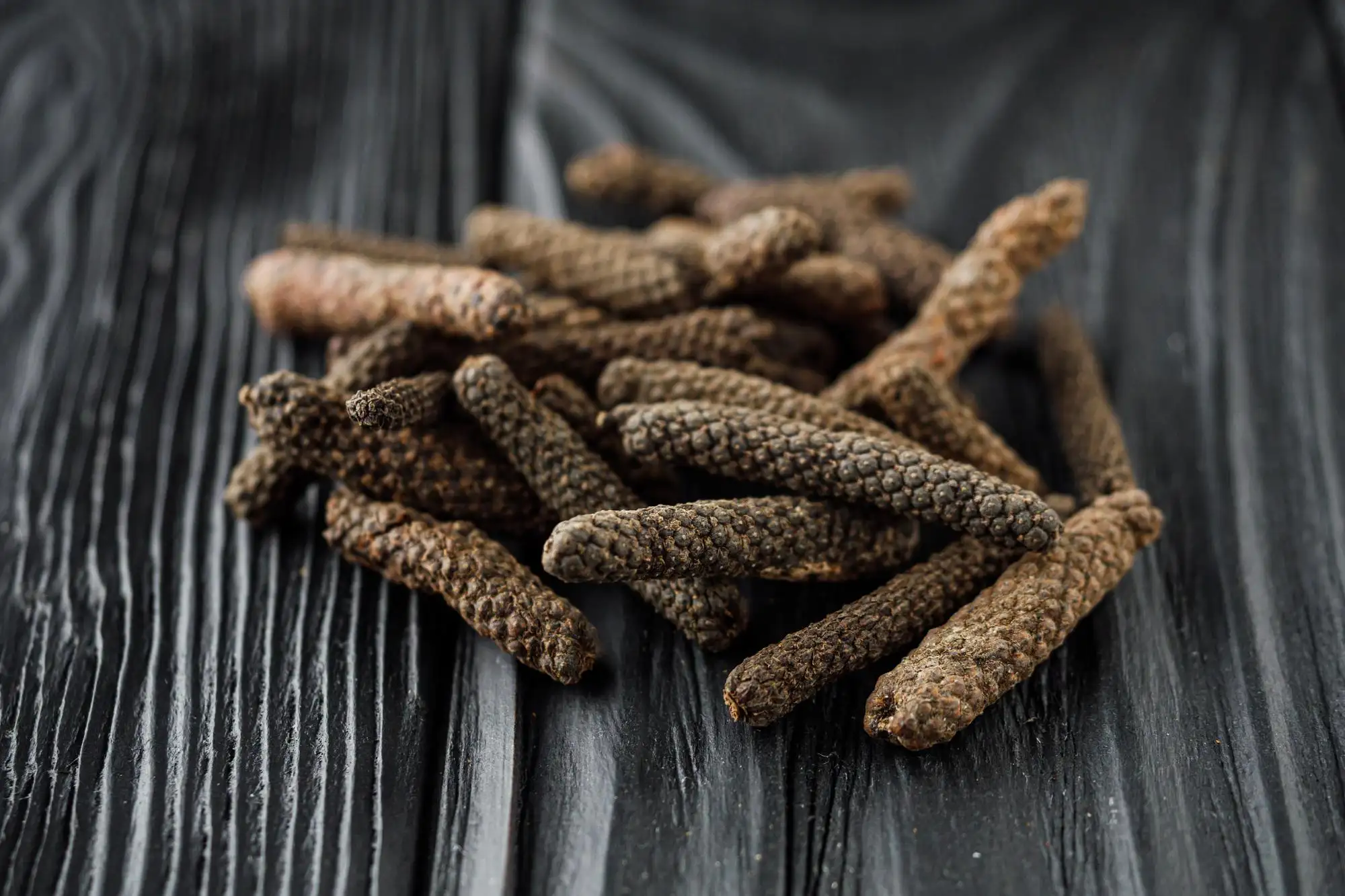
Although they have not vanished completely, ingredients such as kokum, pippali and gond are now used far less frequently than they once were. These forgotten pantry staples continue to hold cultural, nutritional and culinary value, making them worth rediscovering.
Several factors have contributed to the decline of these Indian pantry staples :
Also Read: 8 Everyday Spices with Amazing Health Benefits You Should Know
Today, innovative chefs are bringing kokum back through mocktails, gourmet sauces, desserts and salad dressings.
Today, fine dining chefs are once again experimenting with pippali in spice blends, sauces and desserts to create more complex flavours.
Several food brands are now introducing gond in millet bars and healthier snack options, giving it a modern revival.
Also Read: Ran Out of Garam Masala? Try This One Leaf That Packs the Flavour of 5 Popular Spices
These ingredients also encourage biodiversity by supporting native crops and local farming practices. Preserving them helps protect not only recipes but also generations of cultural knowledge.
Speciality grocery stores and online platforms are also making regional products more accessible than ever.
These Indian pantry staples are not relics of the past. They remain valuable ingredients that celebrate flavour, regional identity and generations of culinary wisdom. As interest in local and minimally processed foods continues to grow, these forgotten treasures may once again become an important part of everyday Indian kitchens.
Although they have not vanished completely, ingredients such as kokum, pippali and gond are now used far less frequently than they once were. These forgotten pantry staples continue to hold cultural, nutritional and culinary value, making them worth rediscovering.
Why Traditional Ingredients Are Losing Their Place
Today's home cooking is often shaped by convenience. Ready-made spice mixes, processed foods and international ingredients have become easier to find than many regional products.Several factors have contributed to the decline of these Indian pantry staples :
- Fast-paced lifestyles encourage quicker meal preparation.
- Younger generations are less familiar with traditional recipes.
- Local markets selling regional ingredients are becoming less common.
- Global cuisines have influenced everyday cooking habits.
- Packaged foods have replaced many homemade preparations.
Also Read: 8 Everyday Spices with Amazing Health Benefits You Should Know
1. Kokum: A Coastal Treasure Slowly Being Forgotten
Kokum is a small purple fruit native to the Western Ghats and has long been an essential ingredient in Maharashtra, Goa and coastal Karnataka. Its dried rind gives curries a mildly tangy flavour and a rich reddish hue. It is also the star ingredient in the refreshing summer drink Sol Kadhi.Why Is Kokum Becoming Less Common?
Unlike tamarind and lemons, kokum is not widely available across India. Many younger home cooks have also never learnt how to use it, making it less common in modern kitchens.Nutritional Highlights
Among the well-known kokum benefits are its antioxidant content and the presence of hydroxycitric acid (HCA), a natural compound that has attracted attention for its potential role in metabolism. Traditionally, kokum has also been appreciated for supporting digestion and helping the body stay cool during summer.Today, innovative chefs are bringing kokum back through mocktails, gourmet sauces, desserts and salad dressings.
2. Pippali: India's Ancient Spice
Long before red chillies became popular, pippali, also known as long pepper, was widely used to add warmth and depth to Indian dishes. Its flavour is earthy, mildly spicy and slightly sweet, making it quite different from black pepper.Why Has It Become Rare?
The arrival of chilli peppers transformed Indian cooking. Chillies were easier to cultivate, more affordable and produced stronger heat, causing pippali spice to gradually disappear from everyday recipes.Traditional Importance
Pippali contains piperine, the same active compound found in black pepper. It has been valued in traditional Indian wellness practices for centuries and is commonly included in the Ayurvedic blend Trikatu.Today, fine dining chefs are once again experimenting with pippali in spice blends, sauces and desserts to create more complex flavours.
3. Gond: The Forgotten Winter Favourite
Gond, or edible gum, has been part of Indian kitchens for generations, especially during winter. It is traditionally used to prepare gond laddoos, panjiri and other seasonal sweets enjoyed during colder months.Why Is Gond Used Less?
Preparing recipes with gond requires roasting and careful cooking, which many busy households no longer have time for. Store-bought sweets and packaged snacks have also replaced many homemade seasonal treats.Nutritional Value
Among the recognised gond benefits is its ability to provide energy through carbohydrates while adding a satisfying crunchy texture to traditional sweets. Although it is not considered a miracle ingredient, it continues to hold an important place in many family recipes.Several food brands are now introducing gond in millet bars and healthier snack options, giving it a modern revival.
Also Read: Ran Out of Garam Masala? Try This One Leaf That Packs the Flavour of 5 Popular Spices
You may also like
- Kailash Mansarovar Yatra 2026: Why is this year's yatra so special, and what is the 'Fire Horse Year' that makes it so rare?
- Mom shares the toys her toddler never gets bored of: Parents, take notes as they also support healthy development
- Lakhs of rupees accidentally credited to your account? Know what the rules say before you celebrate..
- Meet Parag Agarwal: Ex-Twitter CEO and IIT Bombay alumnus who was removed by Elon Musk but came back with his own AI startup valued at $2 billion
- Messi and Yamal: A Generational Clash in the 2026 FIFA World Cup
Why Preserving These Ingredients Matters
India's Indian culinary heritage is closely connected to regional ingredients. When pantry staples disappear, traditional recipes and cooking techniques often fade with them.These ingredients also encourage biodiversity by supporting native crops and local farming practices. Preserving them helps protect not only recipes but also generations of cultural knowledge.
A Revival of Regional Flavours
Across India, restaurants, home chefs and food creators are bringing traditional Indian ingredients back into the spotlight. Farm-to-table dining, regional tasting menus and social media have introduced younger audiences to ingredients they may never have encountered before.Speciality grocery stores and online platforms are also making regional products more accessible than ever.
A Small Step Towards India's Culinary Roots
The return of kokum, pippali and gond does not require a complete change in cooking habits. A refreshing glass of Sol Kadhi, a pinch of long pepper in a spice blend or homemade gond laddoos during winter can be enough to reconnect with India's rich food traditions.These Indian pantry staples are not relics of the past. They remain valuable ingredients that celebrate flavour, regional identity and generations of culinary wisdom. As interest in local and minimally processed foods continues to grow, these forgotten treasures may once again become an important part of everyday Indian kitchens.






Loving Newspoint? Download the app now
