
This Zero-Waste Fruit Has 7 Surprisingly Useful Parts You Use Every Day

When it comes to coconut uses , very few natural resources can match its incredible versatility. From the refreshing water inside to the sturdy shell and even the tree trunk, every part of the coconut has a practical purpose. This remarkable fruit supports sustainable living by ensuring almost nothing goes to waste. Whether it's used in cooking, farming, traditional crafts or daily household tasks, the coconut continues to play an important role in everyday life across tropical regions.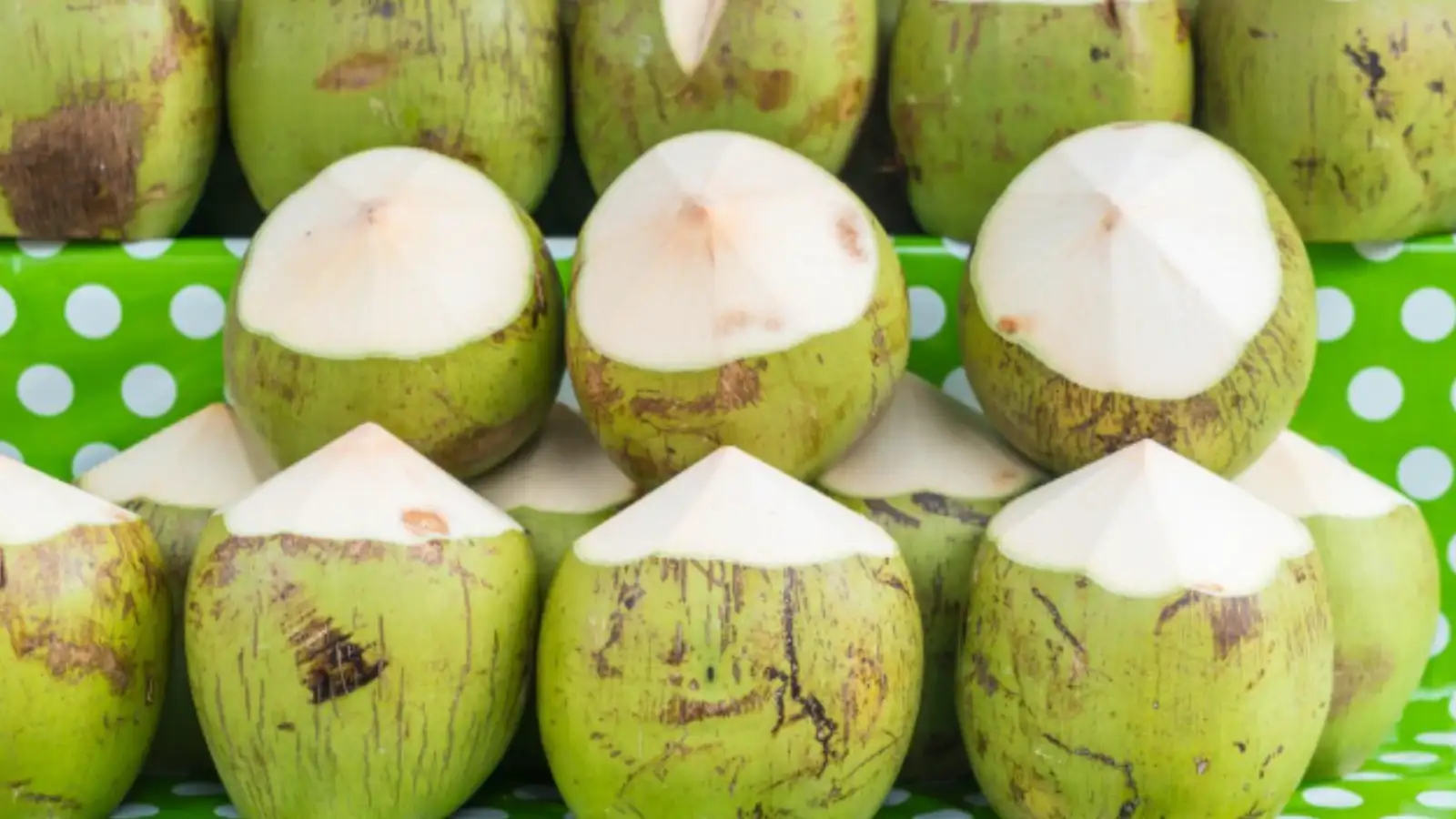
Tender Coconut Water: A Natural Hydration Booster
The clear water found inside young green coconuts is one of nature's best refreshing drinks. Packed with essential electrolytes such as potassium and magnesium, it helps replenish fluids, making it a popular choice during hot weather. Its naturally cooling properties make it a favourite beverage for staying hydrated throughout the day.
Coconut Flesh: A Kitchen Essential
Fresh coconut flesh is valued for both its taste and versatility. It is grated into curries, blended to prepare creamy coconut milk and coconut cream, and dried to make desiccated coconut for longer storage. It is also processed into coconut flour for baking and coconut oil, which is widely used in cooking and skincare.
Coconut Flower Sap: More Than Just Sweetness
The sap collected from coconut flowers has several everyday uses. It is boiled to produce natural coconut sugar and syrup, while fermentation transforms it into coconut vinegar. In many regions, the same sap is also used to prepare traditional alcoholic beverages such as toddy.
Dried Coconut Husk: A Reliable Natural Fuel
Instead of being discarded, dried coconut husks are commonly used as an eco-friendly cooking fuel. They burn efficiently and release a distinctive smoky aroma, making them especially suitable for roasting, grilling and preparing traditional dishes.
Coconut Shell: Turned Into Everyday Utility Items
The tough outer shell of the coconut has long been repurposed into useful household products. Skilled artisans shape it into bowls, cups, ladles and serving dishes that are durable, reusable and environmentally friendly. These natural utensils are commonly used to serve curries, snacks and desserts.
Coconut Tree Trunk: Strong Timber for Traditional Use
Even after a coconut tree completes its life cycle, its trunk remains valuable. The wood is commonly used as firewood for traditional stoves, wood-fired ovens and outdoor cooking. In many places, coconut timber is also utilised for small construction projects and rustic furniture.
Why the Coconut Is the Ultimate Zero-Waste Fruit
The coconut stands out as one of the best examples of sustainable living. Every component - from the water and flesh to the flower sap, husk, shell and trunk - serves a meaningful purpose. Its wide range of applications in food, household activities and traditional practices makes the coconut a true zero-waste wonder that continues to benefit millions of people every day.
Tender Coconut Water: A Natural Hydration Booster
The clear water found inside young green coconuts is one of nature's best refreshing drinks. Packed with essential electrolytes such as potassium and magnesium, it helps replenish fluids, making it a popular choice during hot weather. Its naturally cooling properties make it a favourite beverage for staying hydrated throughout the day.
Coconut Flesh: A Kitchen Essential
Fresh coconut flesh is valued for both its taste and versatility. It is grated into curries, blended to prepare creamy coconut milk and coconut cream, and dried to make desiccated coconut for longer storage. It is also processed into coconut flour for baking and coconut oil, which is widely used in cooking and skincare.
You may also like
- Spider-Man: Brand New Day's Trailer Breaks Records with 590.8 Million Views
- Danish proverb of the day: “Don't sail out farther than you…”
- The Extraordinary Journey of Mako Nishimura: From Yakuza to Redemption
- Fridge Safety: This Woman Got A Shock While Cleaning Her Fridge, Don't Make These Mistakes
- Why are so many NRIs missing India amidst heatwaves in Europe?
Coconut Flower Sap: More Than Just Sweetness
The sap collected from coconut flowers has several everyday uses. It is boiled to produce natural coconut sugar and syrup, while fermentation transforms it into coconut vinegar. In many regions, the same sap is also used to prepare traditional alcoholic beverages such as toddy.
Dried Coconut Husk: A Reliable Natural Fuel
Instead of being discarded, dried coconut husks are commonly used as an eco-friendly cooking fuel. They burn efficiently and release a distinctive smoky aroma, making them especially suitable for roasting, grilling and preparing traditional dishes.
Coconut Shell: Turned Into Everyday Utility Items
The tough outer shell of the coconut has long been repurposed into useful household products. Skilled artisans shape it into bowls, cups, ladles and serving dishes that are durable, reusable and environmentally friendly. These natural utensils are commonly used to serve curries, snacks and desserts.
Coconut Tree Trunk: Strong Timber for Traditional Use
Even after a coconut tree completes its life cycle, its trunk remains valuable. The wood is commonly used as firewood for traditional stoves, wood-fired ovens and outdoor cooking. In many places, coconut timber is also utilised for small construction projects and rustic furniture.
Why the Coconut Is the Ultimate Zero-Waste Fruit
The coconut stands out as one of the best examples of sustainable living. Every component - from the water and flesh to the flower sap, husk, shell and trunk - serves a meaningful purpose. Its wide range of applications in food, household activities and traditional practices makes the coconut a true zero-waste wonder that continues to benefit millions of people every day.






More from our partners


Loving Newspoint? Download the app now
