
Best Healthy Monsoon Snacks to Enjoy During the Rainy Season

There is something about rainy days that makes people crave hot, comforting snacks. Whether it is the sound of raindrops outside or the cooler weather, monsoon often brings an irresistible urge to munch between meals. While fried treats such as pakoras, samosas and chips remain seasonal favourites, eating them too often can leave you feeling sluggish and add unnecessary calories to your diet. The good news is that healthy monsoon snacks can be just as satisfying. By choosing wholesome ingredients and preparing them in smarter ways, you can enjoy delicious snacks that nourish your body, support your immune system and keep your energy levels steady throughout the rainy season.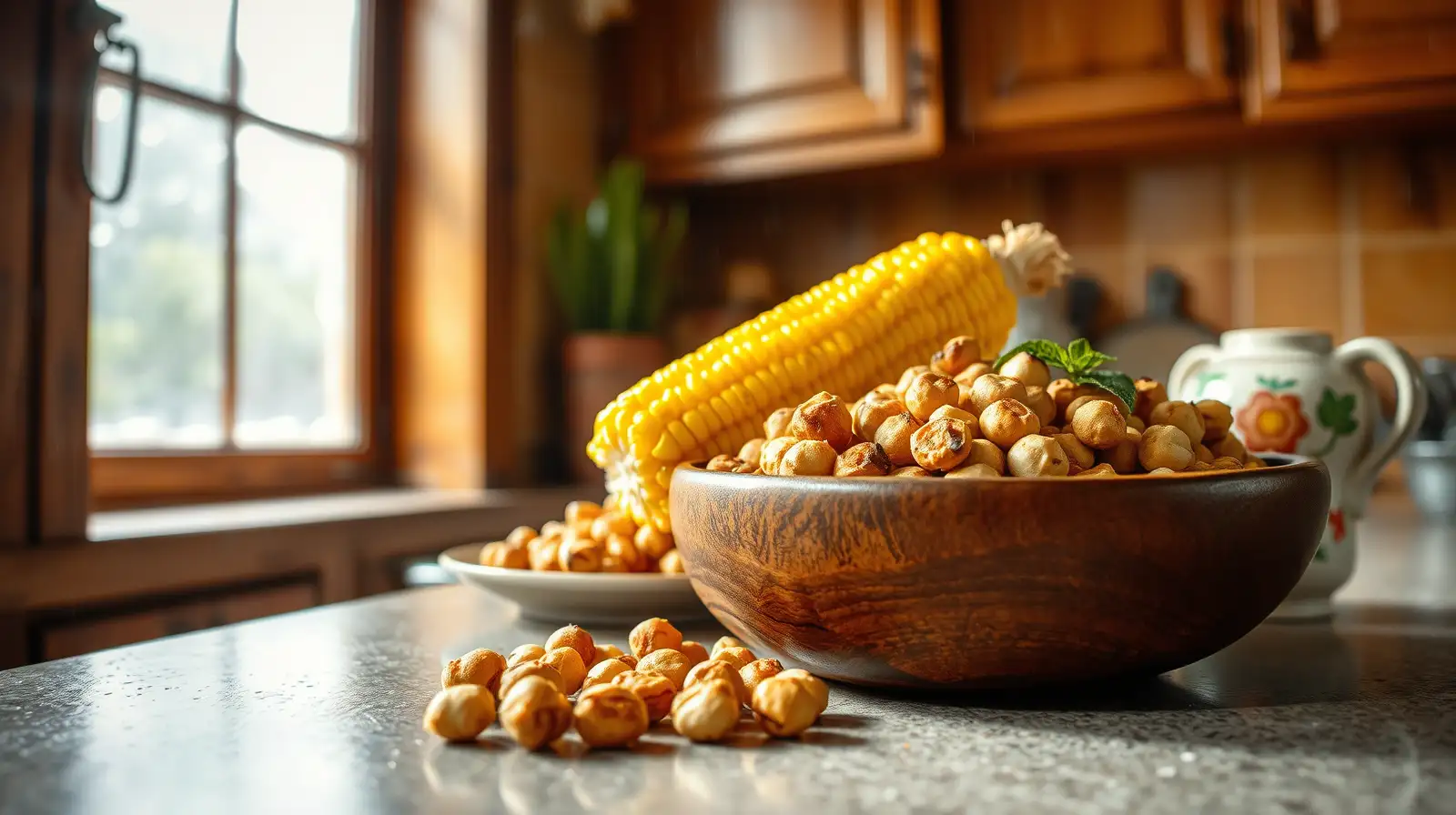
At the same time, high humidity creates favourable conditions for bacteria to grow, making it important to choose freshly prepared snacks over packaged or stale foods. Homemade options are generally safer because you have control over the ingredients and cooking methods.
Choosing nutritious snacks also helps prevent sudden spikes in blood sugar, keeping you fuller for longer.
Steamed corn seasoned with lemon, black pepper and a pinch of rock salt is another excellent option. Corn is rich in fibre and contains essential vitamins that support overall health.
Sprout chaat prepared with lightly steamed sprouts, chopped vegetables and fresh herbs offers protein, vitamins and minerals in one bowl. Steaming the sprouts before use is often recommended during monsoon to reduce the risk of bacterial contamination.
Another comforting choice is vegetable soup made with seasonal vegetables, garlic and ginger. It provides hydration while delivering nutrients in an easy-to-digest form.
Making snacks at home also allows you to limit salt, sugar and unhealthy fats. Baking, roasting, steaming or air frying instead of deep frying can significantly reduce the fat content without compromising flavour.
Using fresh herbs and spices such as turmeric, cumin and black pepper adds taste while contributing beneficial plant compounds to your meals.
Interestingly, cravings for crispy foods are often linked to texture rather than hunger. This is why roasted nuts, seeds and makhana can satisfy snack cravings just as effectively as fried foods.
Another overlooked fact is that excessive consumption of oily snacks may slow digestion, making some people feel bloated during humid weather.
Healthy snacking helps maintain energy levels, supports immunity and reduces the temptation to overeat during main meals. It also encourages children and adults alike to develop better eating habits that extend beyond the rainy season.
Why Snacking Changes During Monsoon
The rainy season often affects both appetite and digestion. Cooler temperatures make warm foods more appealing, while reduced physical activity on rainy days can lead to frequent snacking out of boredom rather than hunger.At the same time, high humidity creates favourable conditions for bacteria to grow, making it important to choose freshly prepared snacks over packaged or stale foods. Homemade options are generally safer because you have control over the ingredients and cooking methods.
Choosing nutritious snacks also helps prevent sudden spikes in blood sugar, keeping you fuller for longer.
Healthy Snacks That Are Worth Trying
Roasted makhana, also known as fox nuts, is one of the healthiest monsoon snacks. It is naturally low in calories, rich in antioxidants and provides a satisfying crunch without excessive oil.Steamed corn seasoned with lemon, black pepper and a pinch of rock salt is another excellent option. Corn is rich in fibre and contains essential vitamins that support overall health.
Sprout chaat prepared with lightly steamed sprouts, chopped vegetables and fresh herbs offers protein, vitamins and minerals in one bowl. Steaming the sprouts before use is often recommended during monsoon to reduce the risk of bacterial contamination.
Another comforting choice is vegetable soup made with seasonal vegetables, garlic and ginger. It provides hydration while delivering nutrients in an easy-to-digest form.
Why Homemade Snacks Are the Better Choice
Freshly prepared snacks are generally safer than food that has been sitting out for hours. During monsoon, moisture in the air encourages bacteria and mould to grow more quickly, especially on cooked foods.You may also like
- EPFO: Mutual Fund or PF? EPFO reveals which is the more beneficial choice..
- Big relief for central government employees! Now, the CGHS pensioner card can be generated in a jiffy via the 'Bhavishya' portal..
- ISRO Offers Internship Opportunities to Students; Find Out Who Can Apply
- Made a mistake while filing your ITR? The Income Tax Department offers a second chance to rectify errors; here is the process..
- Chanakya Niti: These four things are more important than position and prestige, Chanakya had told the mantra of a happy life
Making snacks at home also allows you to limit salt, sugar and unhealthy fats. Baking, roasting, steaming or air frying instead of deep frying can significantly reduce the fat content without compromising flavour.
Using fresh herbs and spices such as turmeric, cumin and black pepper adds taste while contributing beneficial plant compounds to your meals.
Lesser-Known Facts About Monsoon Eating
Many traditional Indian monsoon snacks are based on seasonal ingredients that have been enjoyed for generations. Ginger tea with roasted chickpeas, warm lentil soups and lightly spiced poha are examples of foods that combine comfort with nutrition.Interestingly, cravings for crispy foods are often linked to texture rather than hunger. This is why roasted nuts, seeds and makhana can satisfy snack cravings just as effectively as fried foods.
Another overlooked fact is that excessive consumption of oily snacks may slow digestion, making some people feel bloated during humid weather.
Why Healthy Snacking Matters Today
Modern lifestyles often encourage frequent consumption of processed snacks that are high in salt, refined flour and unhealthy fats. During monsoon, these foods not only provide limited nutrition but may also increase the risk of digestive discomfort if they are not stored properly.Healthy snacking helps maintain energy levels, supports immunity and reduces the temptation to overeat during main meals. It also encourages children and adults alike to develop better eating habits that extend beyond the rainy season.






Loving Newspoint? Download the app now
