
Why Indian Restaurants Are Falling In Love With Indigenous Ingredients

For years, premium restaurant menus in India were filled with imported ingredients such as avocados, quinoa, and exotic berries. Today, however, the spotlight is shifting towards homegrown produce. Indigenous ingredients that were once confined to regional kitchens are now appearing in fine-dining restaurants, cafés, and innovative cloud kitchens across the country.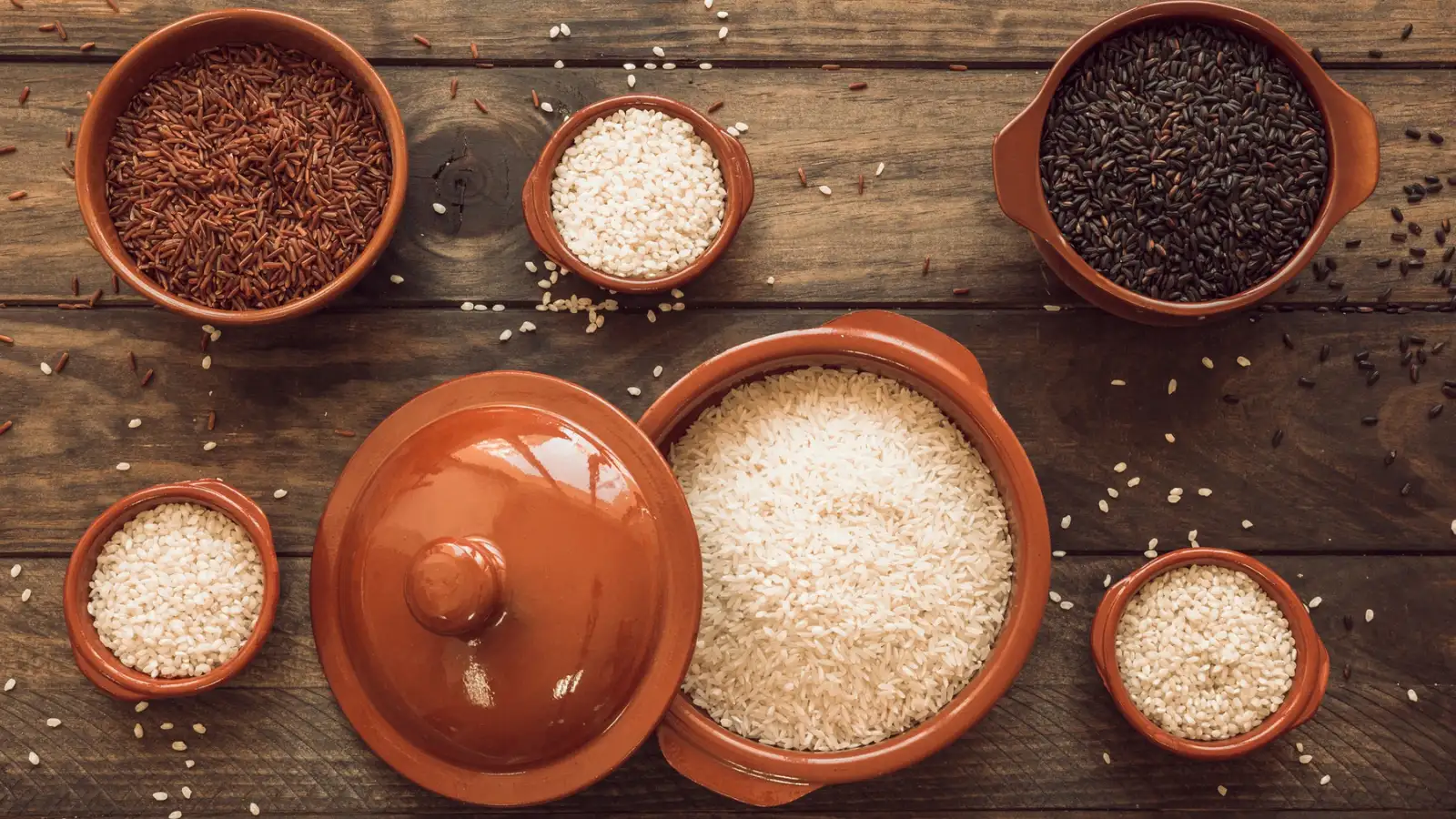
This culinary movement is about more than nostalgia. It reflects changing consumer preferences, a growing interest in sustainability, and a renewed appreciation for India's extraordinary food heritage. Diners increasingly want authentic experiences, and chefs are responding by bringing forgotten ingredients back to the table.
The rise of hyperlocal dining has also transformed ingredient sourcing into a mark of quality. Knowing the story behind an ingredient often makes a meal even more memorable.
Also Read: Which Is Healthier: Sattu, Paneer Or Soyabean? A Complete Comparison
Rich in fibre, protein, and minerals, millets are also naturally gluten-free and environmentally sustainable because they require less water to grow.
As bamboo grows rapidly and has minimal environmental impact, it perfectly fits the growing demand for sustainable ingredients.
Its unique flavour profile allows chefs to replace imported citrus ingredients with something distinctly Indian.
These heritage grains add texture, aroma, and nutritional value while celebrating India's agricultural diversity.
Also Read: The Food Trends Gen Z Loves And Why Restaurants Are Paying Attention
Their naturally sweet flavour and cultural significance make them an exciting ingredient for modern menus.
Rich in fibre and antioxidants, jackfruit aligns perfectly with the growing demand for plant-forward dining.
Similarly, forest greens and foraged herbs are being introduced in tasting menus and seasonal dishes, giving diners a chance to experience India's biodiversity on a plate.
This indigenous ingredient adds sophistication and a strong regional identity to modern restaurant menus.
This movement supports local farmers, preserves culinary heritage, and offers diners authentic experiences that feel meaningful and memorable. Indigenous ingredients are no longer hidden treasures. They are becoming the new symbols of premium dining and sustainable gastronomy in India.
This culinary movement is about more than nostalgia. It reflects changing consumer preferences, a growing interest in sustainability, and a renewed appreciation for India's extraordinary food heritage. Diners increasingly want authentic experiences, and chefs are responding by bringing forgotten ingredients back to the table.
Why Indigenous Ingredients Are Making a Comeback
Modern consumers care about where their food comes from. They want ingredients that are nutritious, sustainable, and connected to local culture. For restaurants, indigenous ingredients offer the opportunity to create distinctive menus while supporting farmers and traditional food systems.The rise of hyperlocal dining has also transformed ingredient sourcing into a mark of quality. Knowing the story behind an ingredient often makes a meal even more memorable.
Also Read: Which Is Healthier: Sattu, Paneer Or Soyabean? A Complete Comparison
Millets Are Leading the Revival
Millets have become one of the biggest success stories in India's culinary revival. Once considered humble grains, varieties such as ragi, bajra, jowar, and foxtail millet are now featured in salads, risottos, artisanal breads, and desserts.Rich in fibre, protein, and minerals, millets are also naturally gluten-free and environmentally sustainable because they require less water to grow.
Bamboo Shoots Are Moving Beyond the Northeast
A staple in Northeastern cuisine, bamboo shoots are gaining popularity among chefs for their earthy flavour and crisp texture. Restaurants are using them in soups, curries, stir-fries, and fusion dishes.As bamboo grows rapidly and has minimal environmental impact, it perfectly fits the growing demand for sustainable ingredients.
Kokum Is Adding a Regional Twist
Native to the Konkan coast, kokum is prized for its refreshing tartness and digestive properties. Traditionally used in sol kadhi and curries, it is now finding a place in mocktails, seafood dishes, sorbets, and vinaigrettes.Its unique flavour profile allows chefs to replace imported citrus ingredients with something distinctly Indian.
Indigenous Rice Varieties Are Back on Menus
India is home to thousands of native rice varieties that have long been overshadowed by commercial grains. Black rice from Manipur, Gobindobhog rice from West Bengal, Joha rice from Assam, and Kerala's red rice are now making a comeback.These heritage grains add texture, aroma, and nutritional value while celebrating India's agricultural diversity.
Also Read: The Food Trends Gen Z Loves And Why Restaurants Are Paying Attention
Mahua Flowers Are Inspiring Creative Desserts
For generations, tribal communities have used mahua flowers in beverages and traditional dishes. Today, chefs are transforming them into syrups, desserts, ice creams, and artisanal drinks.Their naturally sweet flavour and cultural significance make them an exciting ingredient for modern menus.
Jackfruit Is Winning the Plant-Based Game
Jackfruit has become one of the most versatile indigenous ingredients in contemporary cooking. Its fibrous texture makes it an excellent substitute for meat in tacos, burgers, and curries.Rich in fibre and antioxidants, jackfruit aligns perfectly with the growing demand for plant-forward dining.
Wild Honey and Forest Greens Are Creating Unique Experiences
Wild honey, sourced from forests, offers complex flavours that vary depending on the surrounding flora. It is increasingly used in dressings, desserts, and beverages.Similarly, forest greens and foraged herbs are being introduced in tasting menus and seasonal dishes, giving diners a chance to experience India's biodiversity on a plate.
Gondhoraj Lime Is Elevating Indian Cuisine
Often called Bengal's prized citrus fruit, Gondhoraj lime is valued for its fragrance rather than acidity. Its floral notes are enhancing seafood dishes, desserts, and refreshing drinks.This indigenous ingredient adds sophistication and a strong regional identity to modern restaurant menus.
The Future of Dining Is Hyperlocal
The rise of indigenous ingredients is changing how restaurants think about innovation. Rather than chasing global food trends, many chefs are turning to India's own landscapes and traditions for inspiration.This movement supports local farmers, preserves culinary heritage, and offers diners authentic experiences that feel meaningful and memorable. Indigenous ingredients are no longer hidden treasures. They are becoming the new symbols of premium dining and sustainable gastronomy in India.
Next Story