
Monsoon Superfoods: Traditional Indian Foods That Support Health During Rainy Season

Indian kitchens have always adapted to seasonal changes. During monsoon, traditional diets often include foods that provide warmth, support digestion and help the body handle seasonal challenges. From turmeric and ginger to lentils and seasonal fruits, many everyday ingredients have been used for generations because of their nutritional value. The relationship between monsoon and health is strongly connected with food choices, as the right diet can support immunity and energy levels during a time when infections become more common. Exploring these monsoon superfoods reveals how traditional eating habits continue to remain relevant in modern life.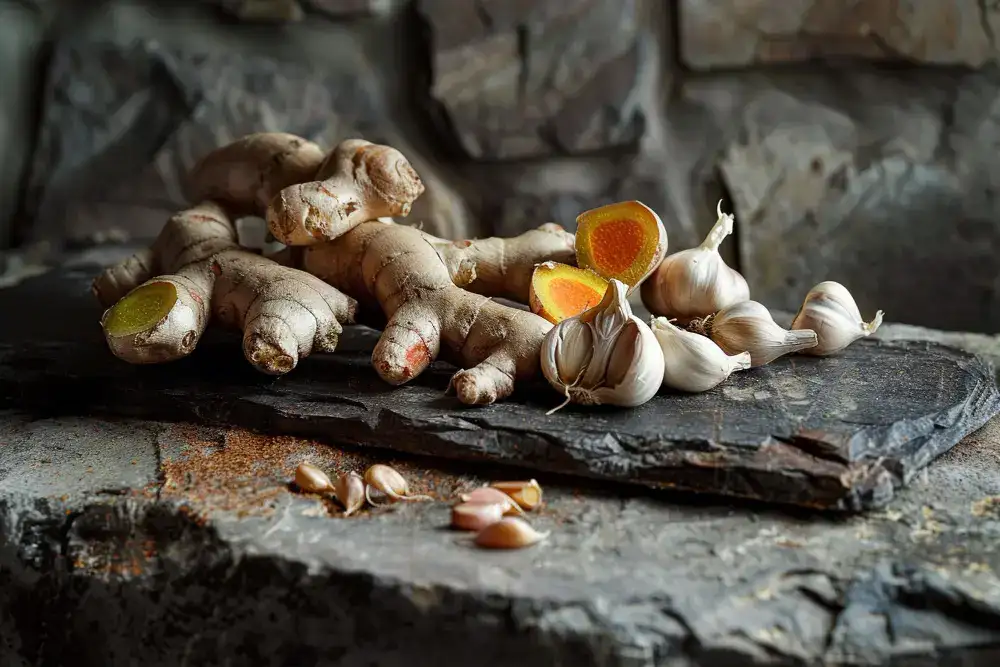
A balanced monsoon diet should include proteins, fibre, vitamins and minerals. Foods that support gut health and immunity can help the body stay stronger during seasonal changes.
Traditional diets often focus on simple ingredients rather than complicated preparations, proving that healthy eating does not always require expensive foods.
During monsoon, turmeric is commonly added to warm meals, soups and drinks. While it is not a substitute for medical treatment, including turmeric as part of a balanced diet can contribute to overall nutrition.
The popularity of turmeric has expanded globally, with researchers continuing to investigate its potential health benefits.
Ginger contains bioactive compounds that have been studied for their role in digestion and inflammation. Garlic contains sulphur compounds that contribute to its distinctive flavour and nutritional profile.
Beyond their traditional uses, these ingredients also make meals more enjoyable during rainy weather when people often prefer warm and comforting foods.
Indian diets have long included lentils, beans and pulses as affordable sources of plant-based protein. These foods also provide fibre, which supports digestive health.
During monsoon, well-cooked pulses are often preferred because proper cooking improves digestibility and reduces food safety concerns.
These fruits support everyday health by contributing essential nutrients while adding variety to meals.
An interesting fact is that seasonal eating patterns developed naturally in many cultures because locally available foods often matched environmental conditions and agricultural cycles.
However, tradition and science work best together. Not every old practice is automatically beneficial, and food choices should consider individual health needs.
Why Food Choices Matter During Monsoon
The rainy season affects digestion, appetite and exposure to infections. Because humidity can influence food storage and bacterial growth, freshly prepared and nutritious meals become especially important.A balanced monsoon diet should include proteins, fibre, vitamins and minerals. Foods that support gut health and immunity can help the body stay stronger during seasonal changes.
Traditional diets often focus on simple ingredients rather than complicated preparations, proving that healthy eating does not always require expensive foods.
Turmeric: The Golden Spice of Indian Kitchens
Turmeric has been used in Indian cooking for centuries. Its active compound, curcumin, has been widely studied for its antioxidant and anti-inflammatory properties.During monsoon, turmeric is commonly added to warm meals, soups and drinks. While it is not a substitute for medical treatment, including turmeric as part of a balanced diet can contribute to overall nutrition.
The popularity of turmeric has expanded globally, with researchers continuing to investigate its potential health benefits.
Ginger and Garlic for Seasonal Wellness
Ginger and garlic are two ingredients commonly associated with traditional monsoon cooking.Ginger contains bioactive compounds that have been studied for their role in digestion and inflammation. Garlic contains sulphur compounds that contribute to its distinctive flavour and nutritional profile.
You may also like
- Roman's £32 dress that 'will not crease in suitcase' has clever 'shaping' feature
- Quote of the day for children by James Cameron: "If you set your goals ridiculously high and it's a failure, you will fail above..."
- Marc Jacobs walks into his own store, and the staff has no idea they are serving the boss
- Wisdom from Confucius: Embracing Change and Simplicity
- Preparing for Postpartum Recovery Before Birth: A Third Trimester Guide
Beyond their traditional uses, these ingredients also make meals more enjoyable during rainy weather when people often prefer warm and comforting foods.
Lentils, Pulses and Protein-Rich Foods
Protein plays an important role in maintaining body functions and supporting recovery.Indian diets have long included lentils, beans and pulses as affordable sources of plant-based protein. These foods also provide fibre, which supports digestive health.
During monsoon, well-cooked pulses are often preferred because proper cooking improves digestibility and reduces food safety concerns.
Seasonal Fruits as Natural Nutrition Sources
Fruits remain an important part of monsoon nutrition. Guava, papaya, pomegranate and apples provide vitamins, minerals and antioxidants.These fruits support everyday health by contributing essential nutrients while adding variety to meals.
An interesting fact is that seasonal eating patterns developed naturally in many cultures because locally available foods often matched environmental conditions and agricultural cycles.
Why Traditional Monsoon Foods Matter Today
Modern diets often include highly processed foods that may lack essential nutrients. Returning to simple traditional foods can help create a more balanced eating pattern.However, tradition and science work best together. Not every old practice is automatically beneficial, and food choices should consider individual health needs.






More from our partners


Loving Newspoint? Download the app now
