
Why Traditional Breakfasts Can Be Healthier Than Processed Cereals

Breakfast is often described as the most important meal of the day, yet what people eat in the morning has changed dramatically over the past century. Ready-to-eat cereals have become a convenient choice for busy households, but many processed varieties contain added sugar, refined grains and artificial flavourings. Traditional breakfasts , on the other hand, are typically built around whole foods that provide lasting energy and a wider range of nutrients. Whether it is porridge in Scotland, idli in India or eggs on wholemeal toast in Britain, many classic breakfasts continue to offer nutritional advantages that modern processed cereals often struggle to match.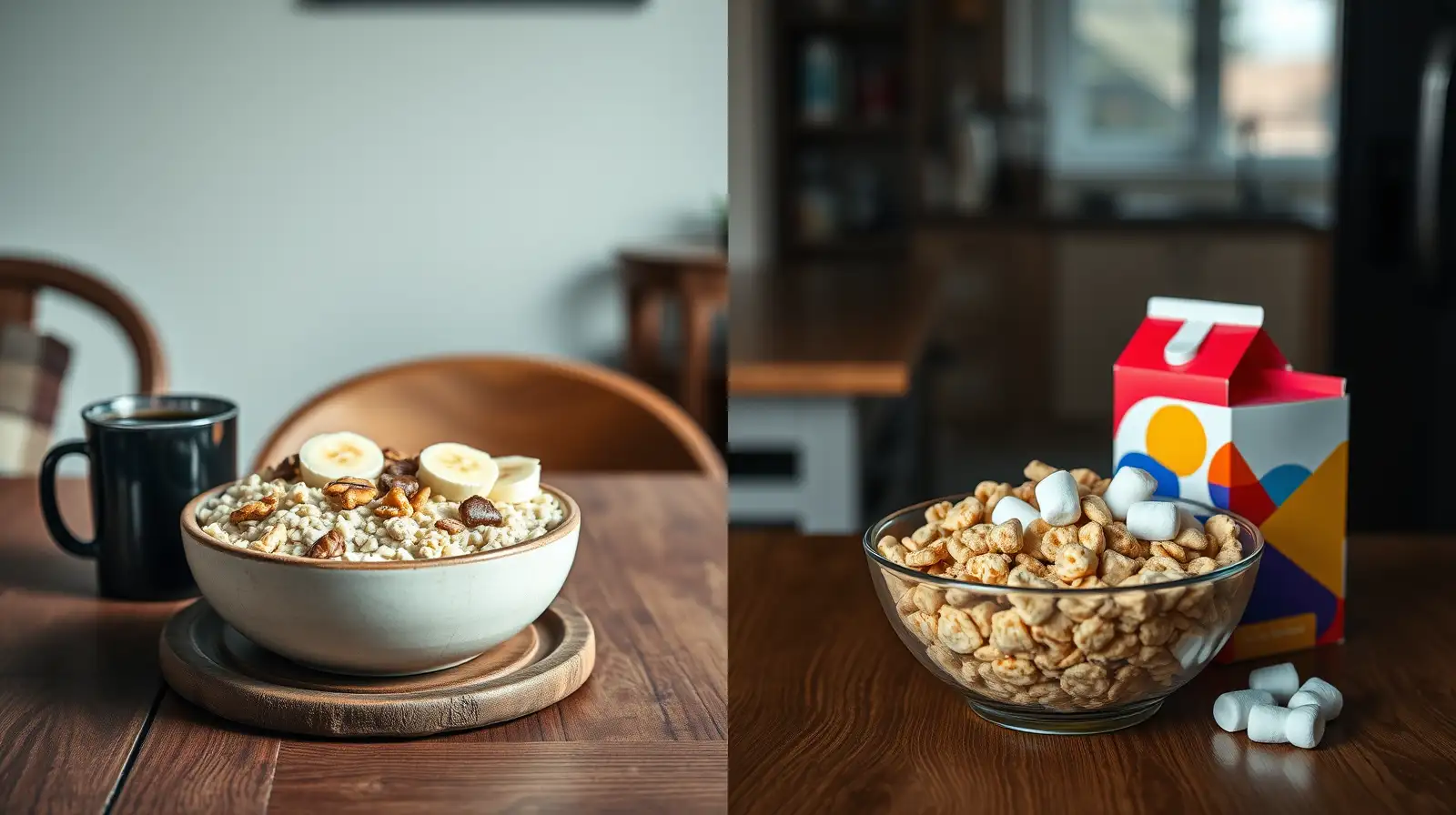
These foods naturally provide protein, fibre, healthy fats and essential vitamins without relying heavily on added sugars or artificial ingredients. As a result, they often deliver more balanced nutrition than highly processed breakfast cereals.
A cereal box may highlight its vitamin content, but those added nutrients cannot always compensate for a product that is heavily processed. Reading nutrition labels often reveals that some cereals contain far more sugar than many people expect.
Interestingly, breakfast cereals were originally developed in the late nineteenth century as simple health foods before evolving into the colourful, sweetened products commonly found on supermarket shelves today.
This combination slows digestion and supports steadier energy levels throughout the morning, reducing the likelihood of reaching for sugary snacks before lunchtime.
These meals were shaped by generations of experience rather than food marketing, and many naturally include a balance of carbohydrates, protein and healthy fats.
Keeping simple whole-food ingredients on hand makes healthier breakfast choices much easier, even on busy mornings.
Traditional Breakfasts Focus on Whole Foods
One of the biggest strengths of traditional breakfasts is their reliance on simple, minimally processed ingredients. Oats, eggs, yoghurt, fresh fruit, wholemeal bread and legumes have been breakfast staples in different cultures for generations.These foods naturally provide protein, fibre, healthy fats and essential vitamins without relying heavily on added sugars or artificial ingredients. As a result, they often deliver more balanced nutrition than highly processed breakfast cereals.
Processed Cereals Can Contain Hidden Ingredients
Although some breakfast cereals are made from whole grains and are fortified with vitamins, many popular options are high in added sugar and refined carbohydrates. Colourings, flavourings and preservatives may also be included to improve taste and shelf life.A cereal box may highlight its vitamin content, but those added nutrients cannot always compensate for a product that is heavily processed. Reading nutrition labels often reveals that some cereals contain far more sugar than many people expect.
You may also like
- Essential Hair Growth Tips for Luscious Locks
- When your child says “I can't do it,” avoid saying “You can”; Psychologist explains what to say instead
- Is It Safe For Pregnant Women To Eat Curd at Night?
- 7 indoor plants that may keep cockroaches out of your home
- The Capgemini Day-Care horror exposes the true cost of the Motherhood Penalty
Interestingly, breakfast cereals were originally developed in the late nineteenth century as simple health foods before evolving into the colourful, sweetened products commonly found on supermarket shelves today.
Protein and Fibre Help You Stay Satisfied
Traditional breakfasts often contain more protein and fibre than processed cereals. Porridge made with oats, eggs served with wholemeal toast or natural yoghurt topped with fruit all provide nutrients that help promote fullness.This combination slows digestion and supports steadier energy levels throughout the morning, reducing the likelihood of reaching for sugary snacks before lunchtime.
Cultural Breakfasts Often Reflect Local Nutrition
Across the world, traditional breakfasts have developed around locally available ingredients that provide practical nourishment. Mediterranean breakfasts frequently include olive oil, tomatoes and wholegrain bread, while Japanese breakfasts may feature rice, fish and fermented foods.These meals were shaped by generations of experience rather than food marketing, and many naturally include a balance of carbohydrates, protein and healthy fats.
Convenience Does Not Have to Mean Compromise
Preparing a traditional breakfast does not always require extra time. Overnight oats, boiled eggs, fruit with plain yoghurt or wholegrain toast with peanut butter can all be prepared quickly while offering more balanced nutrition than many processed cereals.Keeping simple whole-food ingredients on hand makes healthier breakfast choices much easier, even on busy mornings.
Looking Beyond the Cereal Bowl
Choosing a traditional breakfast is less about rejecting convenience and more about prioritising nourishing ingredients. Whole foods such as oats, eggs, yoghurt, fruit and wholegrains provide sustained energy, greater satiety and a broader range of nutrients than many highly processed cereals. While not every cereal is unhealthy, many traditional breakfasts remain a reliable reminder that simple, time-tested foods can still be one of the best ways to start the day.





Loving Newspoint? Download the app now
