
Indian Foods For Gut Health: 5 Traditional Foods To Add To Your Diet

Long before gut health became a major wellness trend, Indian kitchens were already serving foods that contained fermentation, fibre and a variety of plant-based ingredients. Everyday favourites such as chaas, idli, curd rice and khichdi can be part of a balanced diet while also providing nutrients that support digestion.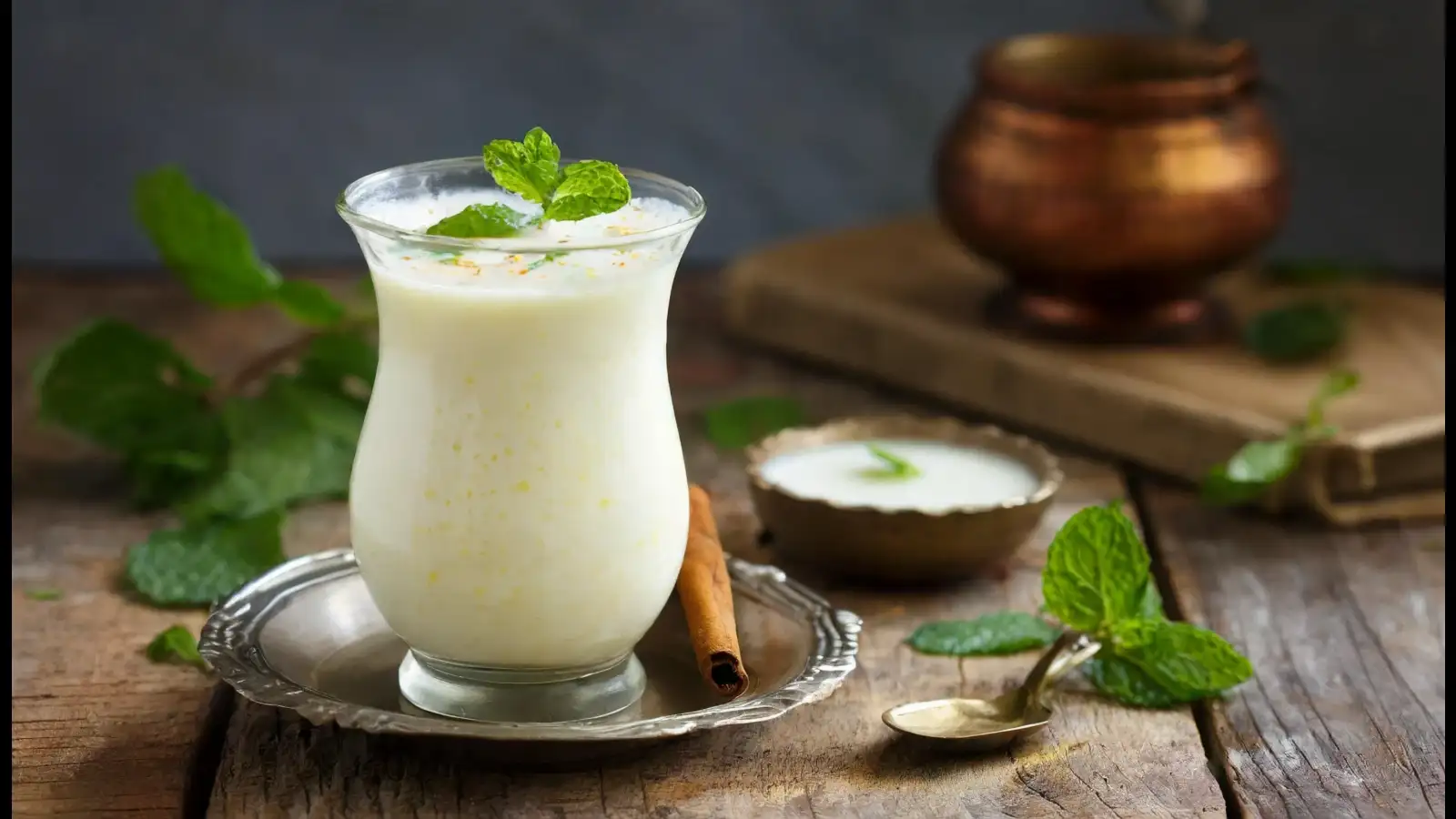
Fermented foods can contain live microorganisms, while fibre-rich ingredients help support regular bowel movements and provide food for beneficial gut bacteria. However, the effect of individual foods can vary from person to person.
According to the National Health Service of the United Kingdom, "Probiotics are the live bacteria and yeasts found in fermented foods and are believed to help restore balance in your gut when it's been disturbed by illness or treatment. While evidence is limited for many of the broader health claims, they're generally considered safe for people with a healthy immune system."
It also states, “A diet rich in fibre can help digestion and prevent constipation. And the aim is the recommended dietary intake of 30g of fibre a day. Therefore, for a healthy bowel, you need fibre from a variety of sources.”
Also Read: How Much Apple Cider Vinegar Should You Take? Know The Right Way
However, no single food can guarantee better gut health. People with digestive conditions, food intolerances or specific dietary requirements should seek professional advice before making significant dietary changes.
The information above is for general educational purposes only and is not a substitute for medical advice. Fermented and fibre-rich foods may affect people differently. Always consult a qualified healthcare professional before making major changes to your diet.
Fermented foods can contain live microorganisms, while fibre-rich ingredients help support regular bowel movements and provide food for beneficial gut bacteria. However, the effect of individual foods can vary from person to person.
According to the National Health Service of the United Kingdom, "Probiotics are the live bacteria and yeasts found in fermented foods and are believed to help restore balance in your gut when it's been disturbed by illness or treatment. While evidence is limited for many of the broader health claims, they're generally considered safe for people with a healthy immune system."
It also states, “A diet rich in fibre can help digestion and prevent constipation. And the aim is the recommended dietary intake of 30g of fibre a day. Therefore, for a healthy bowel, you need fibre from a variety of sources.”
1. Buttermilk Or Chaas
Chaas is a light yoghurt-based drink commonly enjoyed with Indian meals, particularly during warmer months. Depending on how it is prepared, it can provide beneficial bacteria from fermented dairy while also being a refreshing addition to a meal. Adding spices such as cumin, ginger or coriander can further enhance its flavour while keeping it a light accompaniment to meals.You may also like
- ZNMD 2: What happened to the trio after that Spain road trip?
- What Are Portable Solar Panels? Is It Worth Buying Them?
- Merely saving money won't make you rich; adopt these personal finance tips starting today..
- A minor error in your ITR can lead to a 'defective notice'; find out the deadline for responding and how to rectify the mistake..
- Emergency Fund Tips: Is it right to keep your emergency fund in a separate bank account? Find out the best approach and 5 major benefits..
Also Read: How Much Apple Cider Vinegar Should You Take? Know The Right Way
2. Khichdi
Khichdi combines rice or other grains with dal, making it a simple and filling meal. Depending on the ingredients used, it can also provide fibre, protein and other nutrients. Adding vegetables such as carrots, peas, spinach or beans can increase its fibre and nutrient content, making it a more balanced meal.3. Idli
Idli is prepared from a fermented batter made primarily from rice and lentils. During fermentation, naturally occurring lactic acid bacteria and yeasts help transform the batter. This traditional preparation makes idli a popular choice among those looking for Indian probiotic foods. Its steamed texture also makes it a relatively light meal that can be paired with sambar for additional fibre and nutrients. The fermentation process also helps break down some of the components in the batter, which can make idli easier to digest for some people.4. Dahi And Curd Rice
Dahi is a familiar source of fermented dairy in Indian diets and is commonly eaten on its own or combined with rice to make curd rice. It can contain live bacterial cultures, depending on how it is prepared and stored. Curd rice can also be paired with other ingredients to create a simple, balanced meal. Fermented foods such as traditional pickles can also contain beneficial microorganisms, although their nutritional value varies depending on preparation. Choosing fresh curd with live cultures and pairing it with vegetables or other fibre-rich foods can make the meal more nutritionally varied.5. Kanji
Kanji is a traditional fermented drink particularly popular in parts of North India. It is typically prepared using black carrots or beetroot along with mustard seeds and allowed to ferment. Its fermentation process can introduce beneficial microorganisms, making it an interesting addition to the list of gut-friendly foods. Its tangy flavour also makes it a distinctive traditional beverage. The use of naturally fermented vegetables also gives kanji its characteristic tangy taste while adding variety to the diet.Traditional Foods And Gut Health
Many traditional Indian foods naturally combine fibre-rich ingredients with fermentation. Including a variety of whole grains, pulses, vegetables, fruits and fermented foods can help create a more diverse and balanced diet.However, no single food can guarantee better gut health. People with digestive conditions, food intolerances or specific dietary requirements should seek professional advice before making significant dietary changes.
The information above is for general educational purposes only and is not a substitute for medical advice. Fermented and fibre-rich foods may affect people differently. Always consult a qualified healthcare professional before making major changes to your diet.






Loving Newspoint? Download the app now
