
Trash to Treasure: The Global Rise of Zero-Waste Cooking

In a world where environmental concerns and economic pressures are top of mind for millions, the way we source, prepare, and consume food is undergoing a major shift. For decades, modern convenience encouraged a throwaway culture in the kitchen. Overbuying groceries, trimming off perfectly edible parts of vegetables, and discarding leftovers became common daily habits. However, a growing movement is reversing this trend: zero-waste cooking .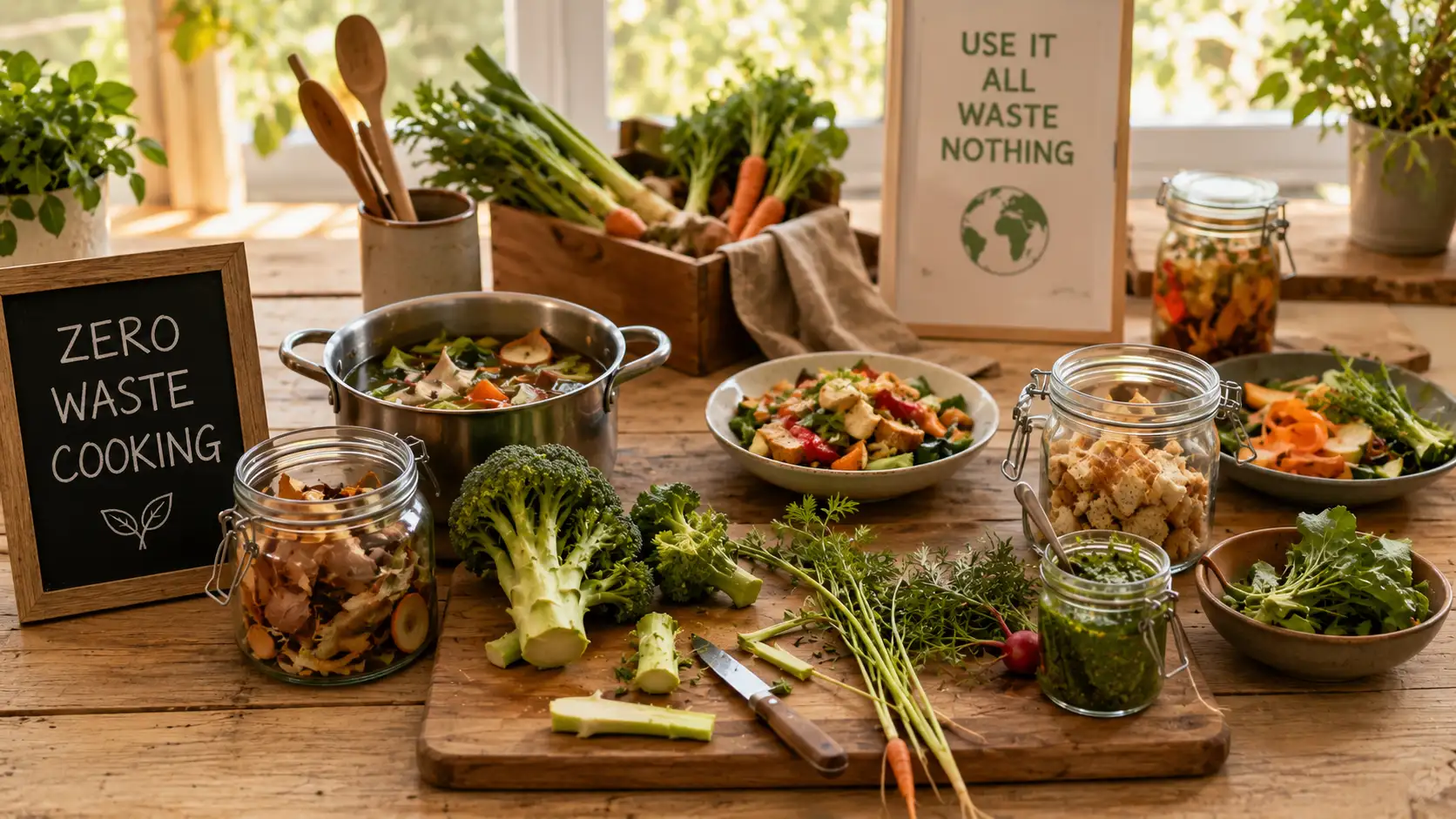
From top-tier international restaurants to ordinary domestic kitchens, zero-waste cooking is gaining massive global popularity. Far from being a restrictive diet, this creative culinary philosophy focuses on using every part of an ingredient transforming items that were once considered food waste into delicious, nutrient-dense meals.
This practice is deeply rooted in traditional food cultures around the world. Historically, before the arrival of modern refrigeration and superstore abundance, communities could not afford to waste food. Classic dishes such as Italian panzanella (a salad made from stale bread), French bouillabaisse (a stew born from unwanted fish scraps), or traditional bone broths were all created out of a practical need to use every available scrap. Today’s zero-waste movement is simply bringing that traditional wisdom back into contemporary life.
Simultaneously, rising food prices have made financial efficiency a priority for households everywhere. Throwing away food is quite literally throwing away money. Adopting zero-waste kitchen habits allows families to stretch their weekly grocery budgets significantly further without compromising on taste or nutritional quality.
From top-tier international restaurants to ordinary domestic kitchens, zero-waste cooking is gaining massive global popularity. Far from being a restrictive diet, this creative culinary philosophy focuses on using every part of an ingredient transforming items that were once considered food waste into delicious, nutrient-dense meals.
What Is Zero-Waste Cooking?
At its core, zero-waste cooking is about mindful resourcefulness. It encourages cooks to re-evaluate what actually constitutes "trash" in the kitchen. Instead of throwing away potato peelings, broccoli stems, stale bread, or herb stalks, zero-waste principles view these scraps as valuable ingredients waiting to be unlocked.You may also like
- Rain or shine, couples are saying 'I do' this monsoon
- This Kerala girl climbed North Africa's highest peak at 8; her father's parenting came down to one question: "I asked her if she wanted to give up... she said a strict no"
- From lullabies to careers: Keeping screens aside
- Underarm odor: Do you often experience the smell of sweat in your armpits? This simple trick while showering will eliminate the odor problem
- A balcony filled with butterflies asks us to notice small miracles – something difficult to find in our world
This practice is deeply rooted in traditional food cultures around the world. Historically, before the arrival of modern refrigeration and superstore abundance, communities could not afford to waste food. Classic dishes such as Italian panzanella (a salad made from stale bread), French bouillabaisse (a stew born from unwanted fish scraps), or traditional bone broths were all created out of a practical need to use every available scrap. Today’s zero-waste movement is simply bringing that traditional wisdom back into contemporary life.
The Environmental and Financial Impact
The modern resurgence of zero-waste cooking is driven by two major factors: environmental responsibility and household economics. Global food waste accounts for a significant portion of greenhouse gas emissions when organic matter rots in landfills. By reducing household food waste, individuals make a direct, positive impact on lowering their carbon footprint.Simultaneously, rising food prices have made financial efficiency a priority for households everywhere. Throwing away food is quite literally throwing away money. Adopting zero-waste kitchen habits allows families to stretch their weekly grocery budgets significantly further without compromising on taste or nutritional quality.
Simple Ways to Practice Zero-Waste Cooking at Home
You do not need to be a professional chef to adopt zero-waste habits in your own home. Small, simple changes in daily food preparation can lead to remarkable results:- Save vegetable scraps for stocks: Keep a container in your freezer for onion skins, carrot ends, celery tops, and mushroom stems. When the container is full, simmer the contents with water to create a rich, homemade vegetable broth.
- Embrace root-to-stem cooking: Roast broccoli and cauliflower stems alongside the florets, sauté radish tops like spinach, or make pesto using carrot greens and herb stalks.
- Repurpose stale bread: Transform hardened loaves into crunchy croutons, homemade breadcrumbs, or comforting baked puddings.
- Master food storage: Learn proper food preservation techniques such as quick-pickling leftover vegetables or fermenting excess fruit to extend the shelf life of fresh produce.
A Sustainable Future for Food
The growing popularity of zero-waste cooking proves that small individual actions can create meaningful global change. By showing greater respect for the food on our plates, we can protect the planet, save money, and rediscover the joy of creative, sustainable cooking .





Loving Newspoint? Download the app now
