
Animals That Can Survive Without Water for Months: Nature's Ultimate Survivors

For most living creatures, water is essential for survival. Humans can survive only a few days without it, and many animals need regular access to rivers, lakes or watering holes. Yet nature is full of remarkable exceptions. Across scorching deserts, isolated islands and dry grasslands, some animals have evolved extraordinary ways to survive for months without taking a single drink. Instead of relying on nearby water sources, they obtain moisture from food, store it within their bodies or reduce water loss through highly specialised adaptations. These incredible survival strategies reveal just how inventive evolution can be in some of the world's harshest environments.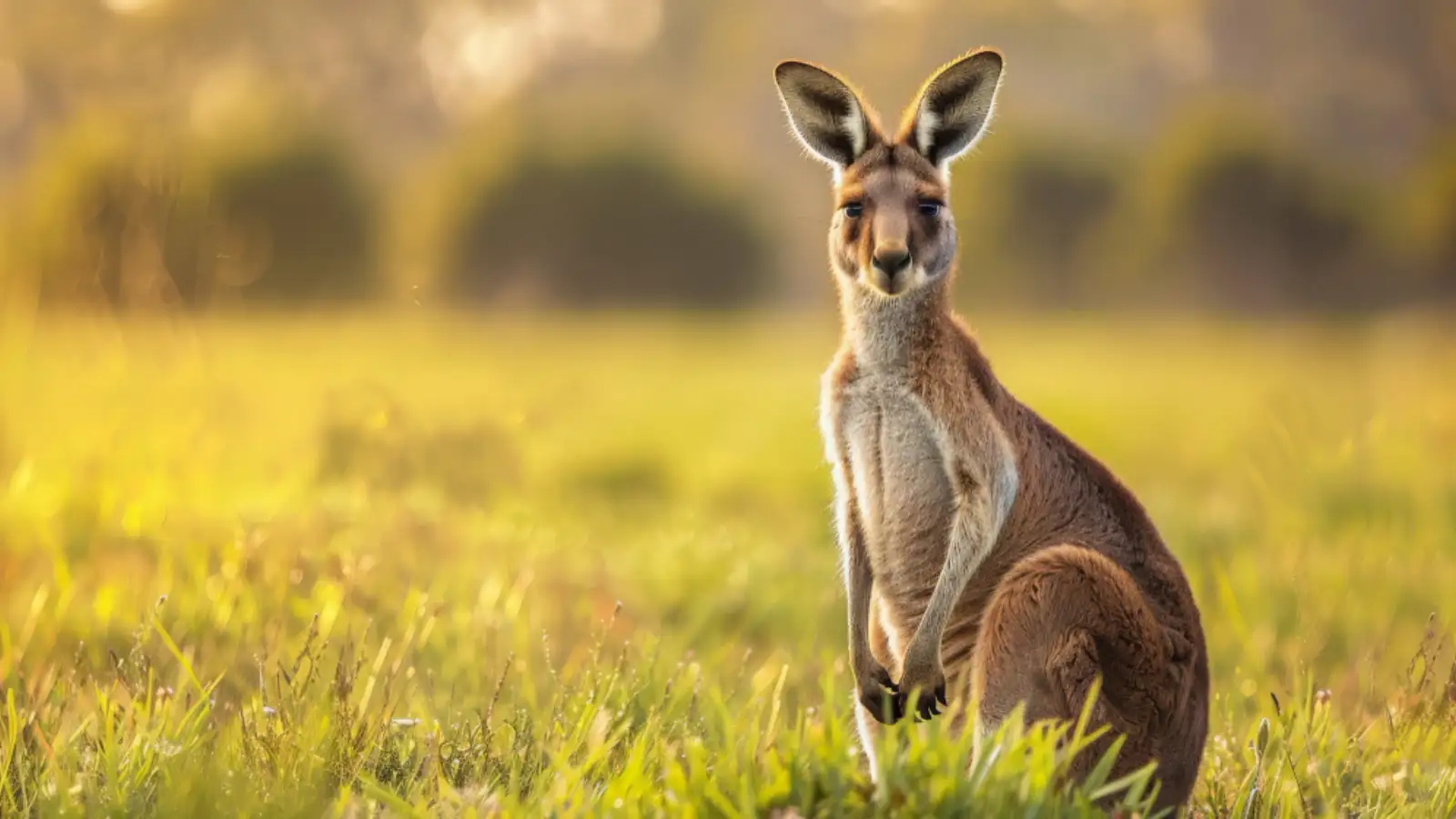
Some species also have highly efficient kidneys that produce very concentrated urine, allowing them to lose minimal water. Others reduce sweating or remain inactive during the hottest part of the day to prevent dehydration.
These adaptations allow animals to survive where fresh water is scarce or unavailable for long periods.
The kangaroo rat, found in North American deserts, is even more impressive. It can live its entire life without drinking water, obtaining all the moisture it needs from dry seeds. Its kidneys are among the most efficient in the animal kingdom.
Desert tortoises can survive for several months by storing water inside their bladders and slowly using it during prolonged dry periods. Certain frogs also bury themselves underground during droughts, entering a dormant state until rainfall returns.
Australian thorny devils have an equally fascinating adaptation. Tiny grooves between their scales channel rainwater and dew directly to their mouths, allowing them to drink without lowering their heads.
Researchers continue to study these unique survival methods, as they may inspire future technologies for water conservation and sustainable design.
For conservationists, protecting these specialised species also means preserving ecosystems that have evolved over millions of years.
How Do Animals Survive Without Drinking Water?
Animals that live in extremely dry habitats have developed several methods to conserve every possible drop of moisture. Many obtain water from the plants, seeds or prey they eat, while others produce what scientists call "metabolic water". This water is created naturally when the body breaks down fats and carbohydrates during digestion.Some species also have highly efficient kidneys that produce very concentrated urine, allowing them to lose minimal water. Others reduce sweating or remain inactive during the hottest part of the day to prevent dehydration.
These adaptations allow animals to survive where fresh water is scarce or unavailable for long periods.
Nature's Greatest Water Conservers
The camel is perhaps the most famous example, although it does not actually store water in its humps. Instead, the humps store fat, which can later be converted into both energy and metabolic water. Camels can also tolerate significant dehydration before needing to drink.You may also like
- #ByInvitation: 'After K-Beauty & C-Beauty, P-Beauty is the next wave, And it's driven by authenticity and identity'
- NPPA New Drug Prices: Prices of 39 new medicines, including blood pressure, diabetes, and heart, have been fixed!
- Alcohol-Based Drugs: The government is strict on drugs containing more than 12% alcohol; they will not be sold without this!
- Kitchen Spices Safety Tips: Have your kitchen spices changed color? How to determine if they're safe to use
- RD Scheme: Deposit ₹2,000 monthly to get around ₹1.42 lakh; here is the full calculation for the Post Office scheme.
The kangaroo rat, found in North American deserts, is even more impressive. It can live its entire life without drinking water, obtaining all the moisture it needs from dry seeds. Its kidneys are among the most efficient in the animal kingdom.
Desert tortoises can survive for several months by storing water inside their bladders and slowly using it during prolonged dry periods. Certain frogs also bury themselves underground during droughts, entering a dormant state until rainfall returns.
Lesser-Known Survival Tricks
Some desert insects collect moisture directly from morning dew or fog. The Namib Desert beetle, for example, tilts its body to allow tiny droplets of fog to gather on its shell before directing the water towards its mouth.Australian thorny devils have an equally fascinating adaptation. Tiny grooves between their scales channel rainwater and dew directly to their mouths, allowing them to drink without lowering their heads.
Researchers continue to study these unique survival methods, as they may inspire future technologies for water conservation and sustainable design.
Why These Adaptations Matter Today
As climate change increases droughts in many parts of the world, understanding how animals conserve water has become increasingly important. Scientists are using these natural adaptations to improve agriculture, develop better water-saving technologies and better understand how wildlife may respond to changing climates.For conservationists, protecting these specialised species also means preserving ecosystems that have evolved over millions of years.






Loving Newspoint? Download the app now
