
Driving Above Everest Base Camp: How Umling La Pass Challenges Human Endurance

For adventure travellers and motorcycle enthusiasts, traversing mountain passes in Ladakh has long been an ultimate bucket-list goal. While Khardung La and Chang La were once considered the pinnacle of high-altitude driving, the completion of the road over Umling La Pass redefined mountain travel. Constructed under Project Himank by the Border Roads Organisation, the 86-kilometer paved stretch links strategically vital areas along the Indo-China border.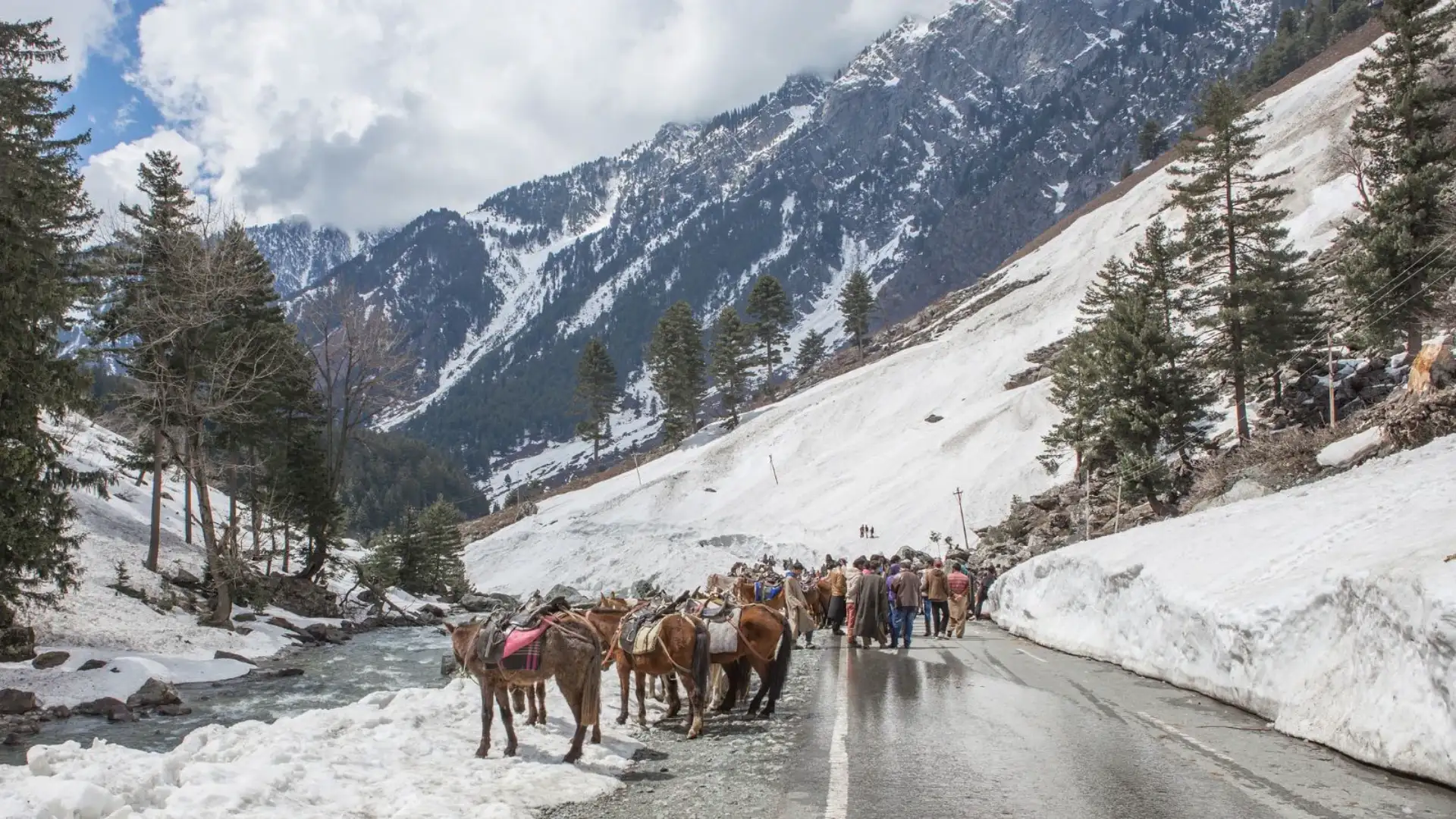
At 19,024 feet above sea level, the road sits higher than Mount Everest's South Base Camp in Nepal. Traversing this terrain exposes travellers to vast, moon-like landscapes, sub-zero temperatures, and unpredictable mountain winds. However, the primary challenge of this journey is not just the rugged road conditions, but the invisible environmental pressure exerted on the human body.
When entering this environment, the human body immediately attempts to compensate:
Because there are no medical facilities or refueling stations directly at the pass, safety relies entirely on precaution. Travelers are advised to rest in Leh for at least two days, spend an additional night in Hanle to adjust gradually, carry supplementary oxygen cylinders, and descend immediately if severe AMS symptoms manifest.
At 19,024 feet above sea level, the road sits higher than Mount Everest's South Base Camp in Nepal. Traversing this terrain exposes travellers to vast, moon-like landscapes, sub-zero temperatures, and unpredictable mountain winds. However, the primary challenge of this journey is not just the rugged road conditions, but the invisible environmental pressure exerted on the human body.
What Happens to the Body at Extreme Altitude?
As elevation increases, atmospheric pressure drops significantly. Although the proportion of oxygen in the air remains around 21 percent, the lower air pressure means fewer oxygen molecules are packed into each breath. At the summit of Umling La, the effective oxygen availability drops to roughly 50 percent of sea-level values.When entering this environment, the human body immediately attempts to compensate:
- Hyperventilation and Rapid Pulse: To maintain sufficient oxygenation, respiratory rate increases automatically. The heart beats faster to circulate oxygenated blood more rapidly throughout the organ systems.
- Increased Red Blood Cell Production: Over several days, kidneys release erythropoietin, a hormone that stimulates the bone marrow to produce more red blood cells, enhancing oxygen-carrying capacity over time.
- Dehydration: Thin mountain air accelerates fluid loss through rapid respiration and perspiration, increasing the risk of altitude-induced dehydration.
Recognizing and Managing Altitude Sickness
Failure to acclimatize properly before ascending to 19,000 feet can trigger Acute Mountain Sickness (AMS). Symptoms typically begin with persistent throbbing headaches, dizziness, fatigue, nausea, and shortness of breath even during light exertion. In severe and unmanaged cases, AMS can progress to High Altitude Pulmonary Edema (HAPE) or High Altitude Cerebral Edema (HACE), both of which are life-threatening conditions requiring emergency descent.Because there are no medical facilities or refueling stations directly at the pass, safety relies entirely on precaution. Travelers are advised to rest in Leh for at least two days, spend an additional night in Hanle to adjust gradually, carry supplementary oxygen cylinders, and descend immediately if severe AMS symptoms manifest.
Next Story