
Is Your Turmeric Pure? Easy Home Tests to Detect Artificial Colour and Lead Chromate

Turmeric is one of the most commonly used spices in Indian kitchens. Known for its bright yellow colour, strong flavour, and health benefits, turmeric plays an important role in everyday cooking. However, food safety experts warn that turmeric powder can sometimes be adulterated with artificial colour or harmful chemicals such as lead chromate.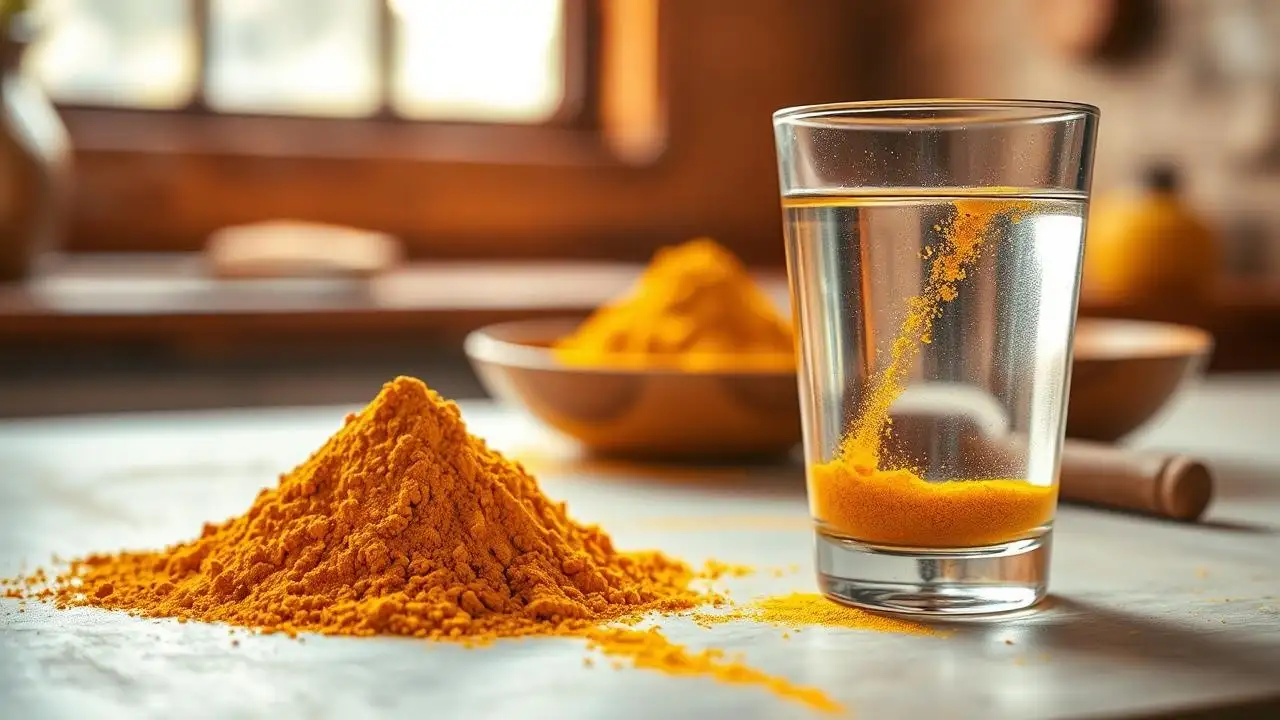
Lead chromate is a toxic compound that may be used to enhance the bright yellow colour of turmeric. While it makes the spice look more appealing, it can pose serious health risks if consumed regularly. Because turmeric is used almost daily in many households, knowing how to detect adulteration becomes extremely important for food safety.
Fortunately, there are a few simple ways to test turmeric powder at home to check whether it contains artificial colours or harmful substances.
Why Turmeric Adulteration Is a Concern
Turmeric is valued for its natural compound curcumin, which gives the spice its colour and many of its health benefits. Due to its popularity and high demand, some manufacturers or suppliers may add artificial colouring agents to make turmeric appear brighter and more attractive.
One of the most concerning adulterants is lead chromate, a toxic industrial chemical sometimes used in paints and dyes. Authorities have warned that adding this compound to turmeric is illegal because of its serious health risks.
Consuming turmeric contaminated with such chemicals over time can potentially harm organs and affect overall health. This is why experts recommend checking the quality and purity of spices before using them regularly.
Simple Water Test to Check Turmeric Purity
One of the easiest ways to check turmeric adulteration at home is the water test. This quick method can help identify whether artificial colours or additives are present in turmeric powder.
To perform the test, add a teaspoon of turmeric powder to a glass of warm water and let it sit without stirring. Pure turmeric usually settles at the bottom of the glass, leaving the water mostly clear or lightly coloured. If the powder dissolves quickly and turns the water dark yellow, it may contain artificial dyes or other adulterants.
This simple observation can give you an early indication of whether your turmeric powder is genuine or potentially adulterated.
How to Detect Lead Chromate in Turmeric
Another method can help detect the presence of lead chromate, a harmful chemical sometimes added to enhance the colour of turmeric.
In this test, mix a small amount of turmeric powder with water and observe how it reacts. If the mixture forms coloured streaks in the water or dissolves unusually fast, it may indicate the presence of lead chromate.
This chemical is used to create a bright yellow pigment, which is why adulterated turmeric may appear unnaturally vibrant compared to natural turmeric.
Acid Test for Artificial Colour
There is also a chemical test that can help identify artificial dyes such as metanil yellow in turmeric powder.
For this test, a small amount of turmeric powder is mixed with a few drops of hydrochloric acid. If the solution turns pink, it indicates the presence of metanil yellow, a synthetic dye that is not permitted in food products.
However, this method should be carried out carefully because hydrochloric acid is a strong chemical and must be handled with caution.
Visual Signs of Adulterated Turmeric
Apart from chemical tests, you can also identify suspicious turmeric powder by observing its appearance and texture.
Pure turmeric usually has a deep golden yellow colour and a smooth texture. If the powder looks unusually bright, dull, or uneven in colour, it may contain artificial colouring agents. In some cases, adulterated turmeric may also leave an unusually strong stain when mixed with water.
These visual clues can help you identify potential adulteration before performing other tests.
Turmeric is a staple spice in many households, but concerns about adulteration with artificial colour and lead chromate highlight the importance of food safety. Because turmeric is used frequently in cooking, even small amounts of contamination can become a long-term health concern.
Simple home tests such as the water test, colour observation, and chemical checks can help identify whether turmeric powder may be adulterated. While these methods are not a replacement for professional laboratory testing, they can provide useful initial clues about the purity of the spice.
By staying aware and checking your kitchen ingredients regularly, you can take an important step toward ensuring safer and healthier food for your family.
Lead chromate is a toxic compound that may be used to enhance the bright yellow colour of turmeric. While it makes the spice look more appealing, it can pose serious health risks if consumed regularly. Because turmeric is used almost daily in many households, knowing how to detect adulteration becomes extremely important for food safety.
Fortunately, there are a few simple ways to test turmeric powder at home to check whether it contains artificial colours or harmful substances.
Why Turmeric Adulteration Is a Concern
Turmeric is valued for its natural compound curcumin, which gives the spice its colour and many of its health benefits. Due to its popularity and high demand, some manufacturers or suppliers may add artificial colouring agents to make turmeric appear brighter and more attractive. One of the most concerning adulterants is lead chromate, a toxic industrial chemical sometimes used in paints and dyes. Authorities have warned that adding this compound to turmeric is illegal because of its serious health risks.
Consuming turmeric contaminated with such chemicals over time can potentially harm organs and affect overall health. This is why experts recommend checking the quality and purity of spices before using them regularly.
Simple Water Test to Check Turmeric Purity
One of the easiest ways to check turmeric adulteration at home is the water test. This quick method can help identify whether artificial colours or additives are present in turmeric powder. To perform the test, add a teaspoon of turmeric powder to a glass of warm water and let it sit without stirring. Pure turmeric usually settles at the bottom of the glass, leaving the water mostly clear or lightly coloured. If the powder dissolves quickly and turns the water dark yellow, it may contain artificial dyes or other adulterants.
This simple observation can give you an early indication of whether your turmeric powder is genuine or potentially adulterated.
How to Detect Lead Chromate in Turmeric
Another method can help detect the presence of lead chromate, a harmful chemical sometimes added to enhance the colour of turmeric. In this test, mix a small amount of turmeric powder with water and observe how it reacts. If the mixture forms coloured streaks in the water or dissolves unusually fast, it may indicate the presence of lead chromate.
This chemical is used to create a bright yellow pigment, which is why adulterated turmeric may appear unnaturally vibrant compared to natural turmeric.
Acid Test for Artificial Colour
There is also a chemical test that can help identify artificial dyes such as metanil yellow in turmeric powder. For this test, a small amount of turmeric powder is mixed with a few drops of hydrochloric acid. If the solution turns pink, it indicates the presence of metanil yellow, a synthetic dye that is not permitted in food products.
You may also like
- Quote of the day by Henry Ford: "When everything seems to be going against you, remember that the airplane takes off against the wind, not with it"; the unexpected hidden travel wisdom
- Japan's 'Human Fridge' could be the future of 'Summer Tourism'; would you step into a refrigerator while travelling?
- Arpita Mehta Launches Stunning Couture Collection at Hyundai India Couture Week 2026
- Government Imposes Sugar Stock Limits from August 1: New Rules to Curb Hoarding and Stabilize Prices
- Meet Anahat Singh, the Gen Z star who created history for India with a world squash title
However, this method should be carried out carefully because hydrochloric acid is a strong chemical and must be handled with caution.
Visual Signs of Adulterated Turmeric
Apart from chemical tests, you can also identify suspicious turmeric powder by observing its appearance and texture. Pure turmeric usually has a deep golden yellow colour and a smooth texture. If the powder looks unusually bright, dull, or uneven in colour, it may contain artificial colouring agents. In some cases, adulterated turmeric may also leave an unusually strong stain when mixed with water.
These visual clues can help you identify potential adulteration before performing other tests.
Turmeric is a staple spice in many households, but concerns about adulteration with artificial colour and lead chromate highlight the importance of food safety. Because turmeric is used frequently in cooking, even small amounts of contamination can become a long-term health concern.
Simple home tests such as the water test, colour observation, and chemical checks can help identify whether turmeric powder may be adulterated. While these methods are not a replacement for professional laboratory testing, they can provide useful initial clues about the purity of the spice.
By staying aware and checking your kitchen ingredients regularly, you can take an important step toward ensuring safer and healthier food for your family.






Loving Newspoint? Download the app now
