
UNESCO World Heritage Sites in India: Which State Tops the List?

India is home to some of the world's most remarkable cultural and natural treasures, many of which have earned recognition as UNESCO World Heritage Sites. These sites represent the country's rich history, architectural brilliance, and ecological diversity. Among all Indian states, Maharashtra holds the distinction of having the highest number of UNESCO World Heritage Sites, making it a must-visit destination for history lovers, architecture enthusiasts, and nature explorers alike.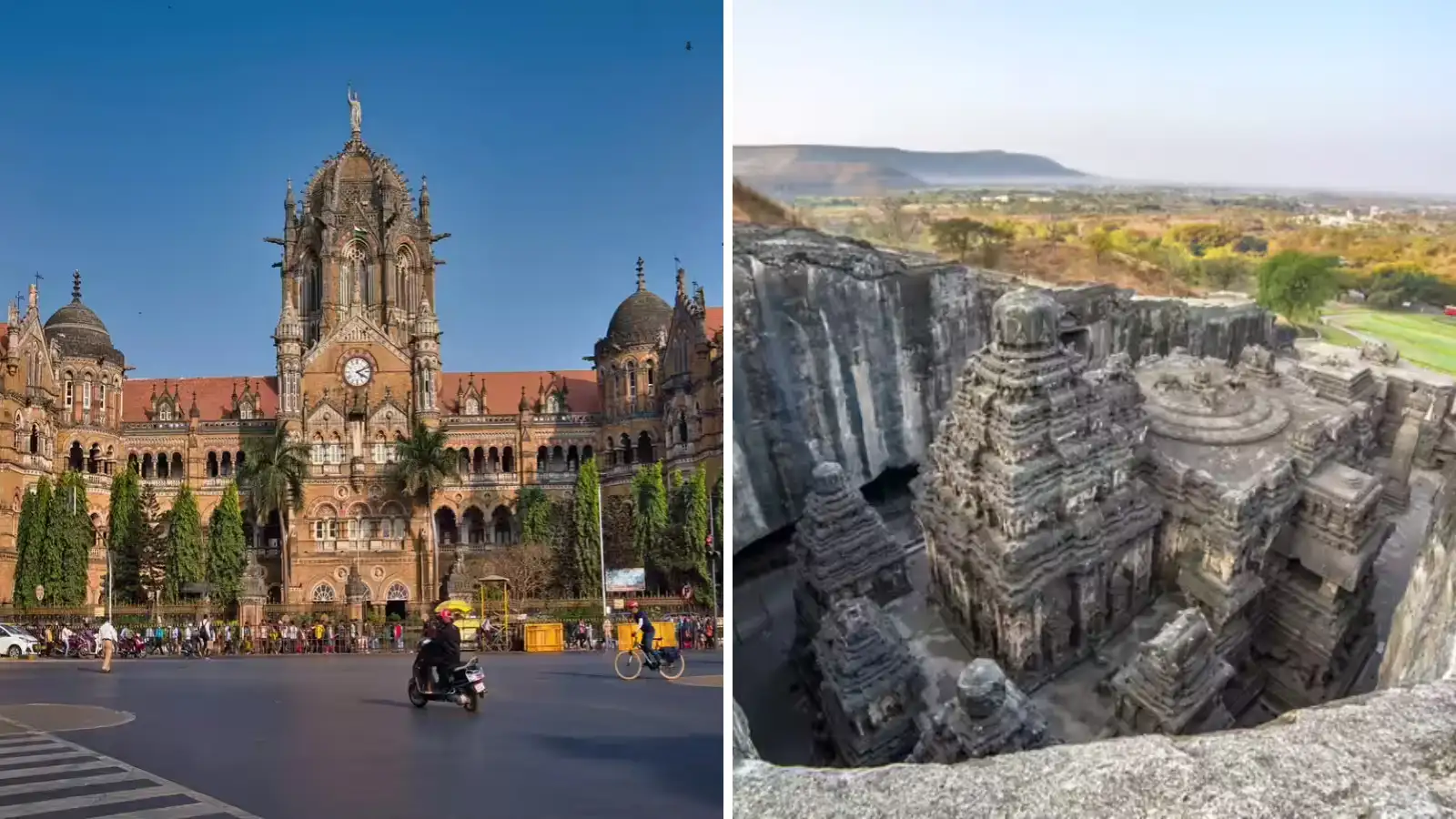
Maharashtra: Home to the Highest Number of UNESCO World Heritage Sites
Maharashtra stands at the top when it comes to UNESCO-recognised heritage landmarks in India. The state boasts an impressive collection of cultural and natural wonders that showcase centuries of artistic achievement, historical significance, and environmental richness.
From ancient rock-cut caves to iconic urban architecture and biodiversity hotspots, Maharashtra's UNESCO-listed sites highlight the state's diverse heritage and global importance.
Ajanta Caves : A Masterpiece of Ancient Art
Located in the Aurangabad region, the Ajanta Caves are among India's most celebrated archaeological attractions. These rock-cut Buddhist caves date back more than 2,000 years and are renowned for their stunning murals, sculptures, and artistic craftsmanship.
The paintings found within the caves provide valuable insights into ancient Indian culture, religion, and daily life. Their remarkable preservation continues to attract visitors and researchers from around the world.
Ellora Caves : A Symbol of Religious Harmony
Another UNESCO-recognised treasure in Maharashtra, the Ellora Caves showcase an extraordinary blend of Buddhist, Hindu, and Jain monuments carved directly into rock.
The site's most famous attraction is the Kailasa Temple, a breathtaking monolithic structure carved from a single rock. The intricate details and engineering excellence displayed at Ellora make it one of the finest examples of ancient Indian architecture.
Chhatrapati Shivaji Maharaj Terminus : Mumbai’s Architectural Icon
Situated in the heart of Mumbai, Chhatrapati Shivaji Maharaj Terminus is one of India's most recognisable railway stations. Built during the British colonial era, the structure combines Victorian Gothic Revival architecture with traditional Indian design elements.
Its elaborate façade, stained-glass windows, decorative stonework, and historic significance have earned it a place on UNESCO's prestigious list, making it a landmark admired by visitors from across the globe.
Maharashtra: Home to the Highest Number of UNESCO World Heritage Sites
Maharashtra stands at the top when it comes to UNESCO-recognised heritage landmarks in India. The state boasts an impressive collection of cultural and natural wonders that showcase centuries of artistic achievement, historical significance, and environmental richness.
From ancient rock-cut caves to iconic urban architecture and biodiversity hotspots, Maharashtra's UNESCO-listed sites highlight the state's diverse heritage and global importance.
Ajanta Caves : A Masterpiece of Ancient Art
Located in the Aurangabad region, the Ajanta Caves are among India's most celebrated archaeological attractions. These rock-cut Buddhist caves date back more than 2,000 years and are renowned for their stunning murals, sculptures, and artistic craftsmanship.
The paintings found within the caves provide valuable insights into ancient Indian culture, religion, and daily life. Their remarkable preservation continues to attract visitors and researchers from around the world.
Ellora Caves : A Symbol of Religious Harmony
Another UNESCO-recognised treasure in Maharashtra, the Ellora Caves showcase an extraordinary blend of Buddhist, Hindu, and Jain monuments carved directly into rock.
The site's most famous attraction is the Kailasa Temple, a breathtaking monolithic structure carved from a single rock. The intricate details and engineering excellence displayed at Ellora make it one of the finest examples of ancient Indian architecture.
Chhatrapati Shivaji Maharaj Terminus : Mumbai’s Architectural Icon
Situated in the heart of Mumbai, Chhatrapati Shivaji Maharaj Terminus is one of India's most recognisable railway stations. Built during the British colonial era, the structure combines Victorian Gothic Revival architecture with traditional Indian design elements.
Its elaborate façade, stained-glass windows, decorative stonework, and historic significance have earned it a place on UNESCO's prestigious list, making it a landmark admired by visitors from across the globe.
Next Story