
Common Foods That Are Naturally Gluten-Free and Easy to Add to Your Diet

The phrase "gluten-free" has become increasingly common on supermarket shelves, restaurant menus and food packaging. While many people need to avoid gluten because of coeliac disease or gluten sensitivity , others simply want to understand which foods naturally do not contain it. The good news is that a healthy gluten-free diet does not rely on expensive speciality products. In fact, many everyday ingredients have always been gluten-free. Fresh fruit, vegetables, legumes, dairy products and several whole grains offer excellent nutrition without containing gluten. Knowing which foods are naturally gluten-free can help people make informed choices while enjoying a varied, balanced and satisfying diet.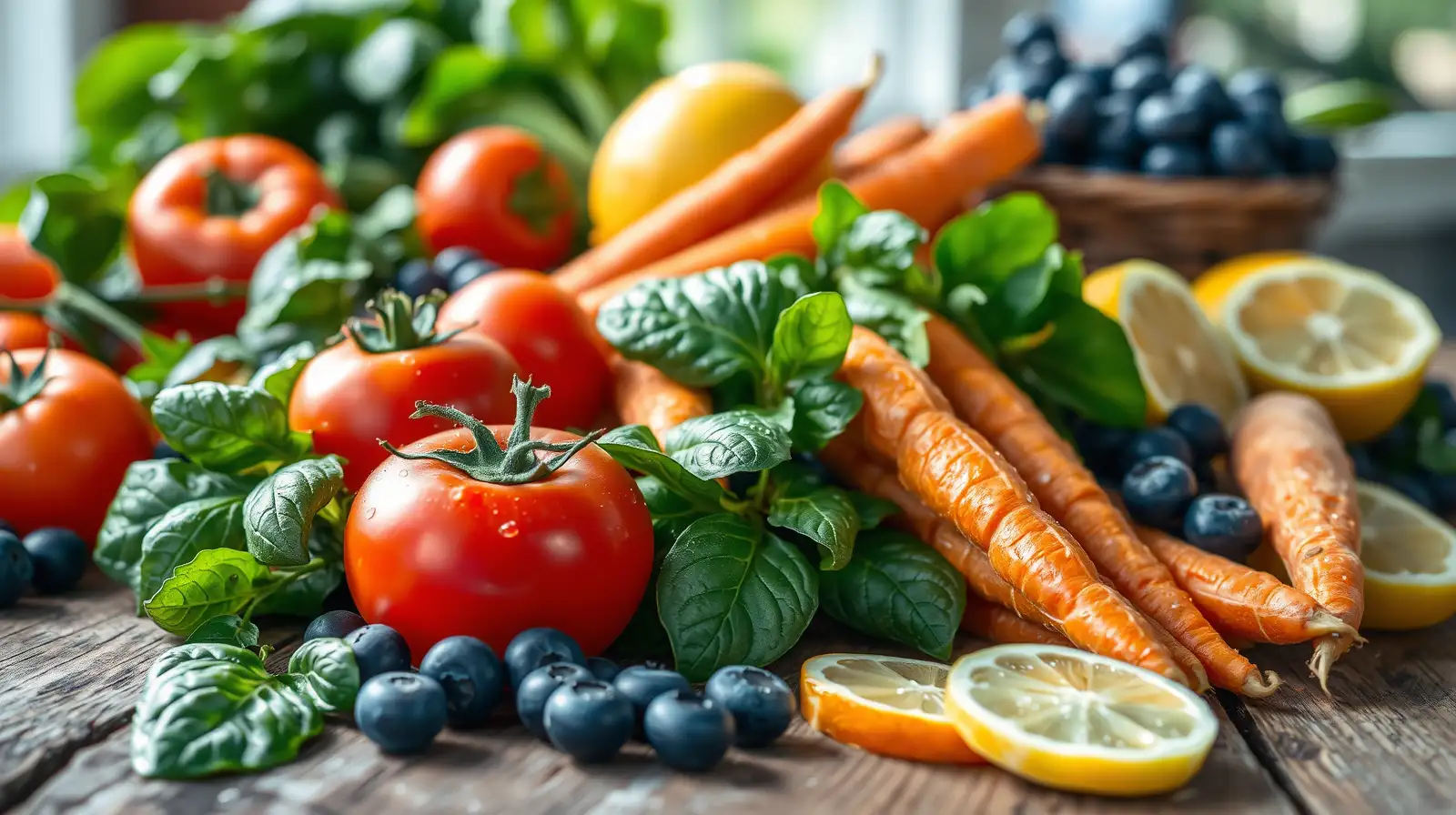
Unlike processed gluten-free products, naturally gluten-free foods often contain fewer additives and provide more vitamins, minerals and fibre. They also tend to be more affordable and widely available.
These foods supply essential nutrients, antioxidants and dietary fibre while supporting digestion and overall wellbeing. Seasonal produce also offers excellent flavour and often costs less than imported alternatives.
However, processed meats such as sausages, burgers or marinated products may contain gluten-based fillers or flavourings. Reading ingredient labels remains important, particularly for packaged foods.
Buckwheat is especially surprising because, despite its name, it is unrelated to wheat. It has been cultivated for centuries in parts of Europe and Asia and remains a staple ingredient in several traditional dishes.
Natural oils such as olive oil, avocado oil and rapeseed oil also contain no gluten and can support a balanced diet when used in moderation.
Cross-contamination is another concern, particularly for people with coeliac disease. Even naturally gluten-free foods can become contaminated if they are prepared alongside gluten-containing ingredients.
Understanding What Makes a Food Naturally Gluten-Free
Gluten is a protein found in wheat, barley and rye. It gives bread its chewy texture and helps baked goods hold their shape. Foods that have never contained these grains are naturally gluten-free, making them suitable for people who need to avoid gluten.Unlike processed gluten-free products, naturally gluten-free foods often contain fewer additives and provide more vitamins, minerals and fibre. They also tend to be more affordable and widely available.
Fresh Fruit and Vegetables Are Naturally Safe Choices
Nearly all fresh fruit and vegetables are naturally gluten-free. Apples, bananas, berries, carrots, broccoli, spinach and sweet potatoes are just a few examples that can form the foundation of healthy meals.These foods supply essential nutrients, antioxidants and dietary fibre while supporting digestion and overall wellbeing. Seasonal produce also offers excellent flavour and often costs less than imported alternatives.
You may also like
- Essential Hair Growth Tips for Luscious Locks
- When your child says “I can't do it,” avoid saying “You can”; Psychologist explains what to say instead
- Is It Safe For Pregnant Women To Eat Curd at Night?
- 7 indoor plants that may keep cockroaches out of your home
- The Capgemini Day-Care horror exposes the true cost of the Motherhood Penalty
Protein-Rich Foods Without Gluten
Fresh meat, poultry, fish, eggs and most plain dairy products naturally contain no gluten. Beans, lentils and chickpeas are also excellent gluten-free protein sources that fit into both vegetarian and omnivorous diets.However, processed meats such as sausages, burgers or marinated products may contain gluten-based fillers or flavourings. Reading ingredient labels remains important, particularly for packaged foods.
Naturally Gluten-Free Grains You Might Overlook
Many people assume that avoiding gluten means giving up grains entirely, but that is far from true. Rice, maize, millet, buckwheat, quinoa and certified gluten-free oats all provide valuable nutrients without containing gluten.Buckwheat is especially surprising because, despite its name, it is unrelated to wheat. It has been cultivated for centuries in parts of Europe and Asia and remains a staple ingredient in several traditional dishes.
Nuts, Seeds and Healthy Fats Add Variety
Plain nuts and seeds are naturally gluten-free and provide healthy fats, protein and minerals. Almonds, walnuts, sunflower seeds, pumpkin seeds and chia seeds make nutritious additions to breakfasts, salads and snacks.Natural oils such as olive oil, avocado oil and rapeseed oil also contain no gluten and can support a balanced diet when used in moderation.
Hidden Sources of Gluten Can Catch People Out
One of the biggest challenges is that gluten sometimes appears in unexpected places. Soy sauce, certain salad dressings, gravy powders, spice mixes and processed soups may contain wheat-based ingredients.Cross-contamination is another concern, particularly for people with coeliac disease. Even naturally gluten-free foods can become contaminated if they are prepared alongside gluten-containing ingredients.
Choosing Naturally Gluten-Free Foods Makes Eating Simpler
Building meals around naturally gluten-free foods is often easier and healthier than depending on processed alternatives. Fresh produce, legumes, dairy, meat, fish and naturally gluten-free grains provide excellent nutrition while offering endless meal possibilities. Understanding which foods are naturally free from gluten helps people shop with confidence, enjoy greater variety and create balanced meals that suit both medical needs and everyday healthy eating goals.





Loving Newspoint? Download the app now
