
How Different Coloured Vegetables Support Better Health Naturally

For years, healthy eating has often been associated with calorie counting, food restrictions and complicated diet plans. While keeping an eye on overall nutrition is important, experts increasingly agree that focusing only on calories can overlook what truly matters. One of the simplest ways to improve a diet is to eat a wider variety of colourful vegetables . Their vibrant shades are not just visually appealing. They are natural signs of different vitamins, minerals and plant compounds that work together to support overall health. From bright orange carrots to deep purple aubergines and leafy green spinach, every colour brings its own unique nutritional advantages to the table.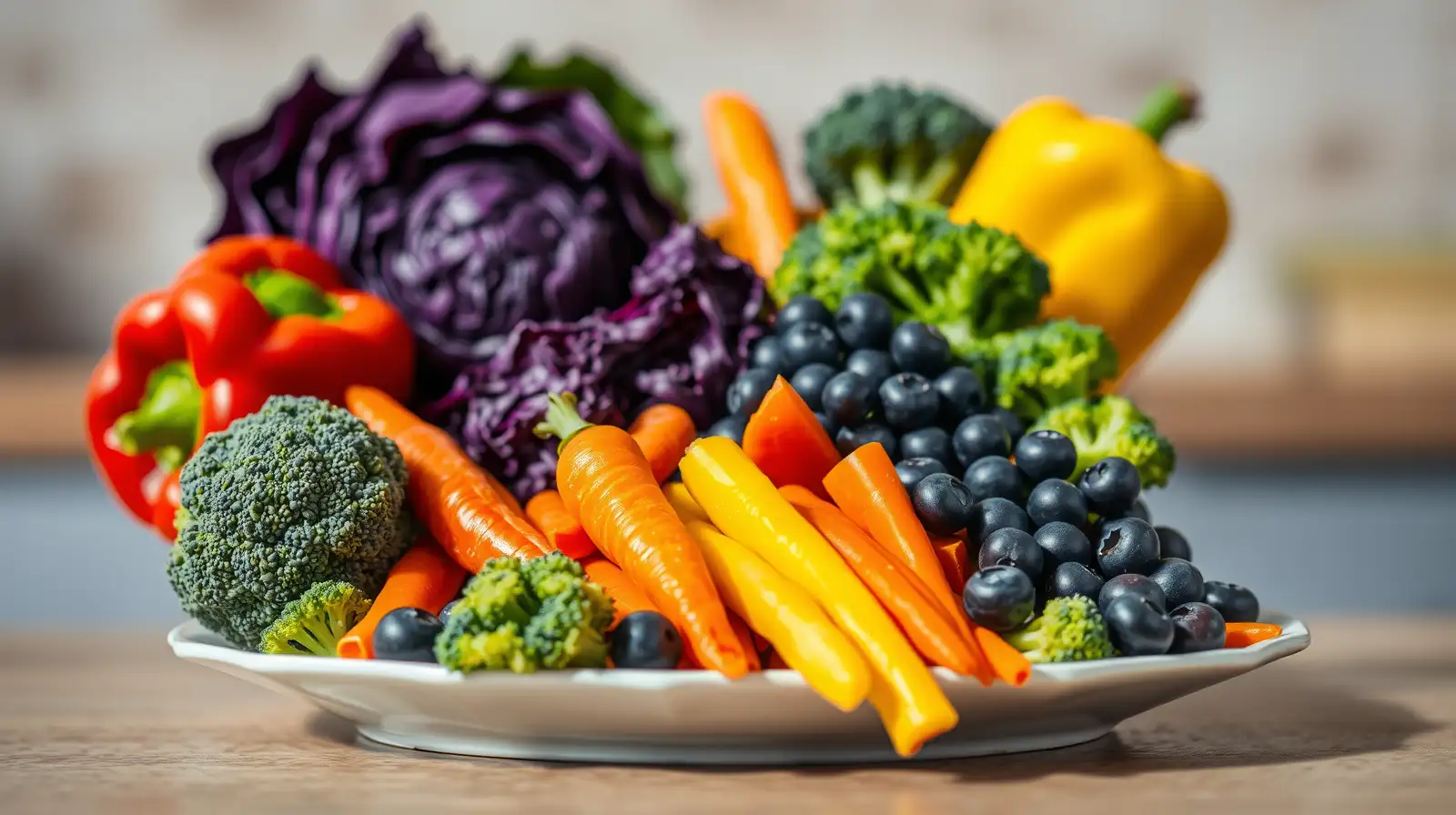
Orange and yellow vegetables such as carrots, pumpkins and sweet potatoes are rich in beta-carotene, which the body converts into vitamin A. This nutrient supports healthy vision, skin and immune function.
Green vegetables, including spinach, broccoli and kale, provide chlorophyll, folate and vitamin K. These nutrients contribute to healthy bones, blood clotting and normal cell function.
Meanwhile, red vegetables such as tomatoes and red peppers contain lycopene and vitamin C, while purple vegetables like beetroot and aubergines are packed with anthocyanins, powerful antioxidants that help protect cells from oxidative stress.
Colourful vegetables are naturally low in calories while being rich in essential nutrients. This means they deliver far more nutritional value per serving than many highly processed foods.
Nutrition experts often refer to this as nutrient density. Choosing foods that are high in nutrients relative to their calorie content helps support long-term health without relying on restrictive diets.
Instead of asking, "How many calories does this contain?" it can be more useful to ask, "What nutrients does this food provide?"
For example, tomatoes become a richer source of lycopene when cooked, while lightly steaming broccoli can help preserve many of its beneficial compounds. Carrots release more beta-carotene when eaten with a small amount of healthy fat, such as olive oil or yoghurt.
Another interesting discovery is that the deeper the natural colour of many vegetables, the higher their concentration of protective antioxidants. Although this is not always the case, vibrant colours often indicate a rich nutritional profile.
Adding colourful vegetables to everyday meals is one of the simplest ways to improve dietary quality. A mixed vegetable curry, fresh salad, roasted vegetables or homemade soup can provide several colours in a single serving.
Choosing seasonal vegetables also supports local farmers, reduces food waste and often delivers fresher produce with better flavour.
Adding spinach to breakfast, including sliced peppers in sandwiches, roasting mixed vegetables for dinner or replacing part of a meal with a fresh salad all increase both colour and nutrition.
Families can also make meals more appealing by using a variety of naturally colourful ingredients rather than relying on artificial food colouring or heavily processed side dishes.
The goal is not perfection but consistency. Even one extra serving of vegetables each day can contribute to healthier eating habits over time.
The Meaning Behind Nature's Colour Palette
The colours found in vegetables are created by naturally occurring plant compounds known as phytochemicals. These substances not only help plants survive but also offer important health benefits when included in the human diet.Orange and yellow vegetables such as carrots, pumpkins and sweet potatoes are rich in beta-carotene, which the body converts into vitamin A. This nutrient supports healthy vision, skin and immune function.
Green vegetables, including spinach, broccoli and kale, provide chlorophyll, folate and vitamin K. These nutrients contribute to healthy bones, blood clotting and normal cell function.
Meanwhile, red vegetables such as tomatoes and red peppers contain lycopene and vitamin C, while purple vegetables like beetroot and aubergines are packed with anthocyanins, powerful antioxidants that help protect cells from oxidative stress.
Why Nutrient Density Is More Important Than Calories
Calories measure energy, but they do not reflect the nutritional quality of food. Two meals may contain the same number of calories yet provide vastly different amounts of vitamins, minerals and fibre.Colourful vegetables are naturally low in calories while being rich in essential nutrients. This means they deliver far more nutritional value per serving than many highly processed foods.
Nutrition experts often refer to this as nutrient density. Choosing foods that are high in nutrients relative to their calorie content helps support long-term health without relying on restrictive diets.
Instead of asking, "How many calories does this contain?" it can be more useful to ask, "What nutrients does this food provide?"
You may also like
- If you haven't obtained a marriage certificate, you won't get these benefits; find out the process for getting one..
- Passport: You will now have to pay ₹2,500 to get a passport; children and the elderly will receive a 10% discount..
- The government will provide up to ₹15,000 if it is your first job; find out what you need to do to avail the benefits of the scheme..
- Kushal Tanwar Celebrates Third Reality Show Victory with Mother on Zee5
- The 'Fantasy Coffins' of Ghana; a unique funeral tradition that turns death into celebrations of life and why travellers are fascinated
Lesser-Known Facts About Colourful Vegetables
One surprising fact is that no single vegetable contains every nutrient the body needs. This is why dietary variety is so important.For example, tomatoes become a richer source of lycopene when cooked, while lightly steaming broccoli can help preserve many of its beneficial compounds. Carrots release more beta-carotene when eaten with a small amount of healthy fat, such as olive oil or yoghurt.
Another interesting discovery is that the deeper the natural colour of many vegetables, the higher their concentration of protective antioxidants. Although this is not always the case, vibrant colours often indicate a rich nutritional profile.
Why Eating a Rainbow Matters Today
Modern diets frequently rely on convenience foods that are high in calories but relatively low in nutrients. This imbalance contributes to growing concerns about obesity, heart disease and type 2 diabetes across many parts of the world.Adding colourful vegetables to everyday meals is one of the simplest ways to improve dietary quality. A mixed vegetable curry, fresh salad, roasted vegetables or homemade soup can provide several colours in a single serving.
Choosing seasonal vegetables also supports local farmers, reduces food waste and often delivers fresher produce with better flavour.
Simple Ways to Add More Colour to Your Plate
Eating more colourful vegetables does not require dramatic lifestyle changes. Small adjustments can make a noticeable difference over time.Adding spinach to breakfast, including sliced peppers in sandwiches, roasting mixed vegetables for dinner or replacing part of a meal with a fresh salad all increase both colour and nutrition.
Families can also make meals more appealing by using a variety of naturally colourful ingredients rather than relying on artificial food colouring or heavily processed side dishes.
The goal is not perfection but consistency. Even one extra serving of vegetables each day can contribute to healthier eating habits over time.






More from our partners


Loving Newspoint? Download the app now
