
The Power of Keeping Secrets: Why Online Oversharing Hurts Our Peace

In today’s hyper-connected digital landscape, sharing our personal thoughts and daily moments online has become second nature. From morning coffee choices and gym workouts to deep relationship issues and inner struggles, we are constantly encouraged to broadcast our lives on social media platforms. While sharing can build community, this impulse has given birth to a widespread “overthinking culture”, a state where every private experience must be analysed, polished, and posted for public approval.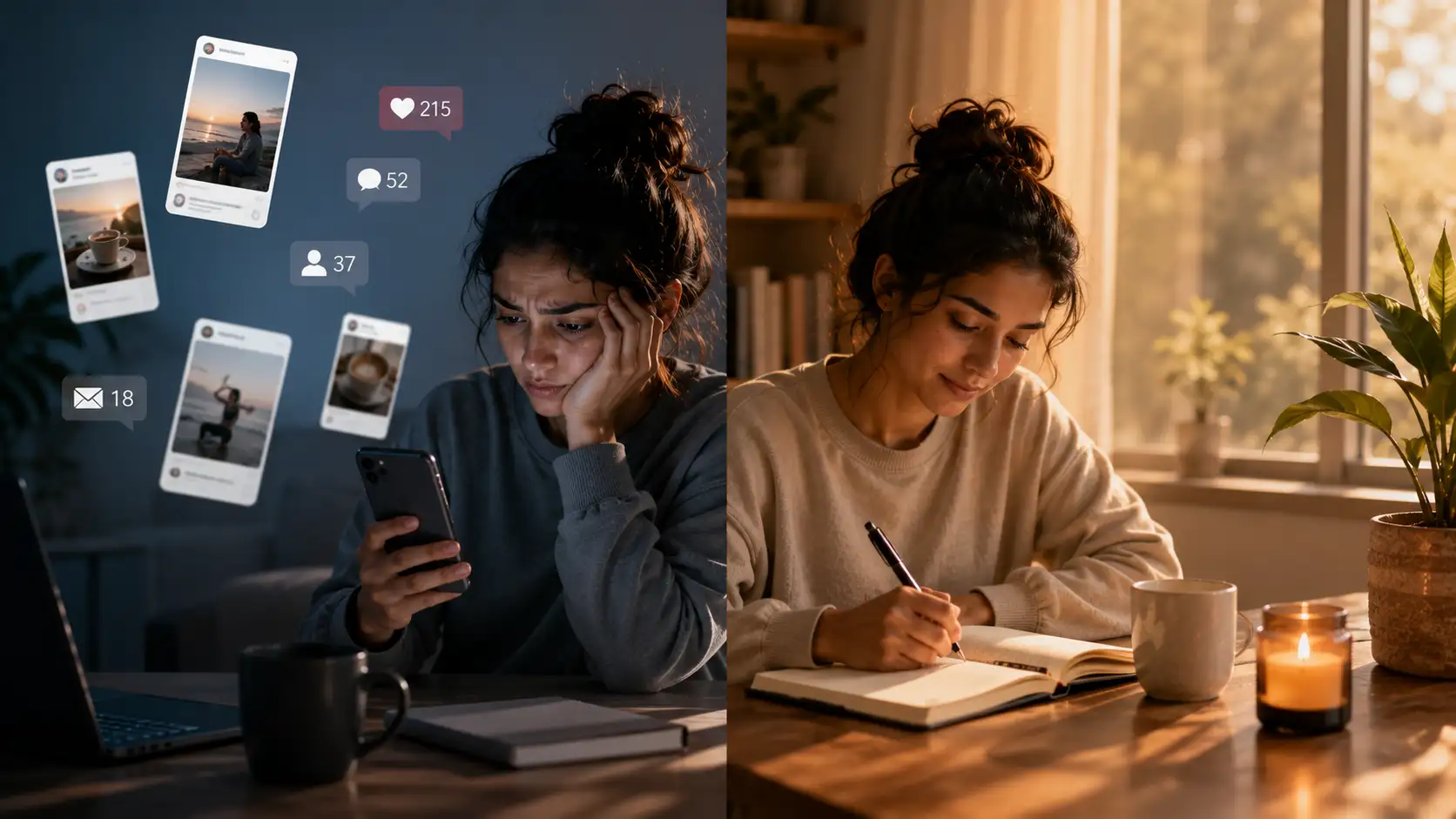
The constant need to share everything online is subtly changing how we process our own lives. By learning to keep certain experiences private, we can break free from digital anxiety and rediscover a quieter, more grounded sense of peace.
This habit creates an exhausting mental burden. Instead of fully enjoying an experience, your brain is busy overthinking how it will be perceived by others. You worry about captions, filters, and how many likes or comments your post will receive. By stepping back from the urge to publish every detail, you allow yourself to simply experience life without an audience.
However, relying on internet strangers or acquaintances for approval is a risky habit. If a post receives high engagement, we feel a temporary rush of confidence; if it is ignored, we begin to second-guess ourselves. Keeping thoughts private encourages you to validate your own emotions, building internal confidence that does not depend on digital likes.
Once an opinion, argument, or personal story is published online, you lose control over how people interpret it. Keeping sacred parts of your life offline such as personal milestones, relationship challenges, and quiet successes creates a safe space where you can process feelings without outside noise. Some memories are simply more special when they belong exclusively to you and those closest to you.
By stepping back from overthinking culture and keeping more of your life private, you reclaim your mental clarity , protect your inner peace, and enjoy a far richer life offline.
The constant need to share everything online is subtly changing how we process our own lives. By learning to keep certain experiences private, we can break free from digital anxiety and rediscover a quieter, more grounded sense of peace.
The Exhaustion of Documenting Everything
When you feel obligated to share your life online, you stop living in the moment and start viewing every experience as potential content. A quiet walk through a park becomes a search for a photo opportunity; an emotional thought becomes a draft for a social media post.This habit creates an exhausting mental burden. Instead of fully enjoying an experience, your brain is busy overthinking how it will be perceived by others. You worry about captions, filters, and how many likes or comments your post will receive. By stepping back from the urge to publish every detail, you allow yourself to simply experience life without an audience.
Seeking Validation Outside Yourself
Constantly posting personal updates often stems from a deep need for external validation. When we post about our achievements, struggles, or insights, we are often looking for reassurance that our feelings and choices are valid.You may also like
- "By the time a child turns 18, parents have already spent 93% of the total time they'll ever have together," says educator- and the simple calculation is leaving people emotional
- Psychology says one painful comment can stay with you for years while dozens of kind words fade away
- Chinese proverb of the day: Why "It takes more than one cold day for…" reminds us that lasting results take time
- Psychology says people who talk to their pets like they are humans have these 7 unique psychological strengths
- Train News: Several trains are affected from today until August 7; check which routes have changed and view the full list.
However, relying on internet strangers or acquaintances for approval is a risky habit. If a post receives high engagement, we feel a temporary rush of confidence; if it is ignored, we begin to second-guess ourselves. Keeping thoughts private encourages you to validate your own emotions, building internal confidence that does not depend on digital likes.
Protecting Your Personal Boundaries
Not every detail of your life is meant for public consumption. Oversharing can erode personal boundaries, making your private thoughts and relationships vulnerable to unsolicited advice, judgment, and criticism.Once an opinion, argument, or personal story is published online, you lose control over how people interpret it. Keeping sacred parts of your life offline such as personal milestones, relationship challenges, and quiet successes creates a safe space where you can process feelings without outside noise. Some memories are simply more special when they belong exclusively to you and those closest to you.
How to Cultivate a Quieter Digital Life
Moving away from oversharing does not mean disappearing from the internet entirely. It is simply about being more intentional with what you choose to broadcast:- Pause before posting: Ask yourself why you want to share something. Are you seeking attention, or do you genuinely want to connect?
- Embrace private journal writing: If you have deep thoughts to work through, write them down in a physical notebook rather than a public feed.
- Keep special moments offline: Enjoy a great meal, a holiday view, or a night with friends without taking out your phone.
By stepping back from overthinking culture and keeping more of your life private, you reclaim your mental clarity , protect your inner peace, and enjoy a far richer life offline.






Loving Newspoint? Download the app now
