
Mindful Travel: Can Walking Tours Be Better for Mental Health Than Traditional Sightseeing?

For decades, standard holiday itineraries followed a predictable formula. Travellers boarded crowded tour buses, zipped between famous landmarks, snapped quick photos, and rushed off to the next attraction. While traditional sightseeing allows tourists to check off popular monuments in record time, it often leaves them feeling exhausted, stressed, and disconnected.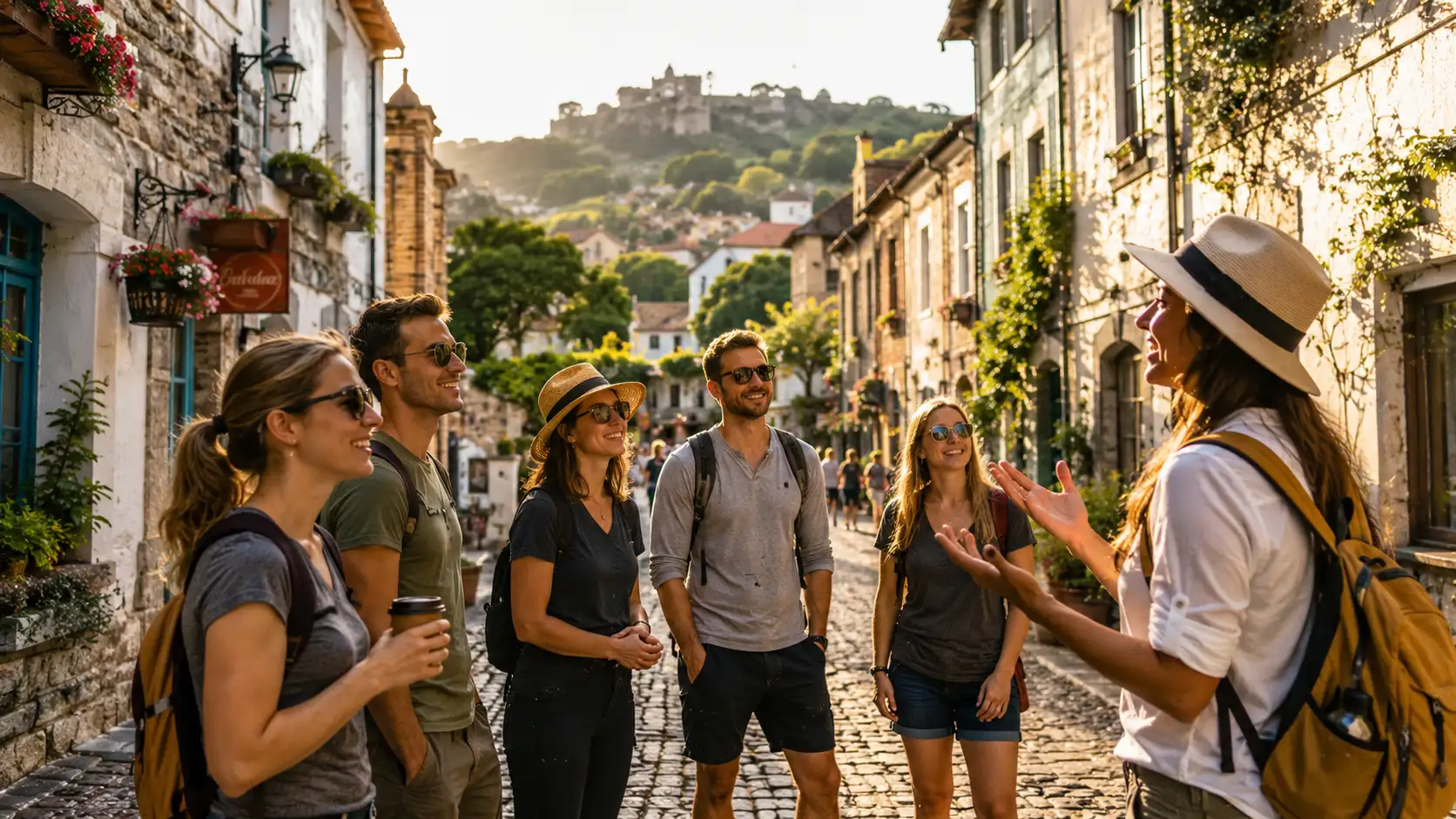
In recent years, a major shift toward slow, intentional travel has emerged. More holidaymakers are choosing guided strolling itineraries and neighbourhood rambles over fast-paced coach tours. But can walking tours be better for mental health than traditional sightseeing, and how does exploring a city on foot reshape our psychological well-being?
Walking tours, by contrast, drastically simplify the experience. Guided by a knowledgeable local leader, participants can surrender logistics and focus purely on their immediate environment. Instead of constantly checking maps or schedules, you can simply step, observe, and absorb the atmosphere. This reduction in mental effort helps calm an overstimulated brain, allowing psychological restoration to take place.
Even low-intensity movement lowers levels of cortisol, the primary stress hormone, while boosting blood circulation to the brain. Combining gentle physical exercise with sensory exploration turns a simple city tour into an effective, low-impact workout that leaves you feeling energized rather than drained.
You hear the chatter of local market stalls, smell fresh coffee from a side-street café, feel the uneven cobblestones beneath your shoes, and notice architectural details hidden above eye level. This heightened sensory awareness anchors you in the present moment, breaking loops of worry and mental rumination.
Walking side by side with fellow travellers and chatting casually with local guides builds an easy sense of camaraderie. Sharing stories and learning about local culture firsthand satisfies our fundamental human need for connection, boosting emotional well-being and social confidence.
In recent years, a major shift toward slow, intentional travel has emerged. More holidaymakers are choosing guided strolling itineraries and neighbourhood rambles over fast-paced coach tours. But can walking tours be better for mental health than traditional sightseeing, and how does exploring a city on foot reshape our psychological well-being?
1. Combating Information Overload and Decision Fatigue
Traditional sightseeing often creates intense cognitive strain. Navigating unfamiliar public transport systems, adhering to strict timetables, and pushing through dense crowds at famous tourist hubs can trigger stress and anxiety.Walking tours, by contrast, drastically simplify the experience. Guided by a knowledgeable local leader, participants can surrender logistics and focus purely on their immediate environment. Instead of constantly checking maps or schedules, you can simply step, observe, and absorb the atmosphere. This reduction in mental effort helps calm an overstimulated brain, allowing psychological restoration to take place.
2. The Power of Movement and Endorphins
The physical nature of a walking tour provides direct mental health advantages. Sitting on a bus or standing in long queues does little to relieve bodily tension. Walking at a relaxed, steady pace stimulates the release of endorphins and dopamine—the body's natural mood elevators.You may also like
- Old Coins: Earn ₹10 lakh by selling old coins—did PM Modi say this in a video? Here is what the government clarified.
- Lipedema Symptoms: Don't mistake thigh fat for normal fat; it could be a sign of this disease.
- Causes of Lung Cancer: Weeks-old cough and blood in sputum? Learn the early symptoms of lung cancer.
- 10 monsoon travel essentials every traveller should pack this rainy season
- Nikhita Gandhi to Dazzle Audiences at IFFM 2026 with Live Performance
Even low-intensity movement lowers levels of cortisol, the primary stress hormone, while boosting blood circulation to the brain. Combining gentle physical exercise with sensory exploration turns a simple city tour into an effective, low-impact workout that leaves you feeling energized rather than drained.
3. Practicing "Moving Meditation" and Mindfulness
Psychologists frequently describe walking through new surroundings as a form of moving meditation. Unlike traditional sightseeing where travellers are often looking through a camera lens or phone screen, walking forces you to engage all five senses naturally.You hear the chatter of local market stalls, smell fresh coffee from a side-street café, feel the uneven cobblestones beneath your shoes, and notice architectural details hidden above eye level. This heightened sensory awareness anchors you in the present moment, breaking loops of worry and mental rumination.
4. Fostering Meaningful Human Connections
Loneliness and emotional isolation can affect us even when surrounded by thousands of people in a busy city. Large coach tours rarely offer opportunities for genuine conversation. Small-group walking tours, however, naturally foster social interaction.Walking side by side with fellow travellers and chatting casually with local guides builds an easy sense of camaraderie. Sharing stories and learning about local culture firsthand satisfies our fundamental human need for connection, boosting emotional well-being and social confidence.
Walking Your Way to a Better Holiday
While traditional sightseeing has its place for quick visits, it rarely leaves you feeling restored. By slowing down the tempo of exploration, engaging the body, and immersing yourself in local life, choosing a stroll through a destination transforms travel into a therapeutic experience. Ultimately, walking tours can be better for mental health than traditional sightseeing because they prioritise presence, connection, and calm over simple speed.





Loving Newspoint? Download the app now
