
How the Right Foods Can Support Strong and Healthy Bones

Strong bones do much more than support the body. They protect vital organs, anchor muscles and store important minerals that help keep the body functioning properly. Although many people think about bone health later in life, the foundations for healthy bones are built from childhood and maintained through everyday lifestyle choices. Diet plays one of the biggest roles in this process. While calcium often receives the most attention, several other nutrients are equally important for maintaining bone strength. Fortunately, many everyday foods naturally support healthy bones and can easily become part of a balanced, nutritious diet.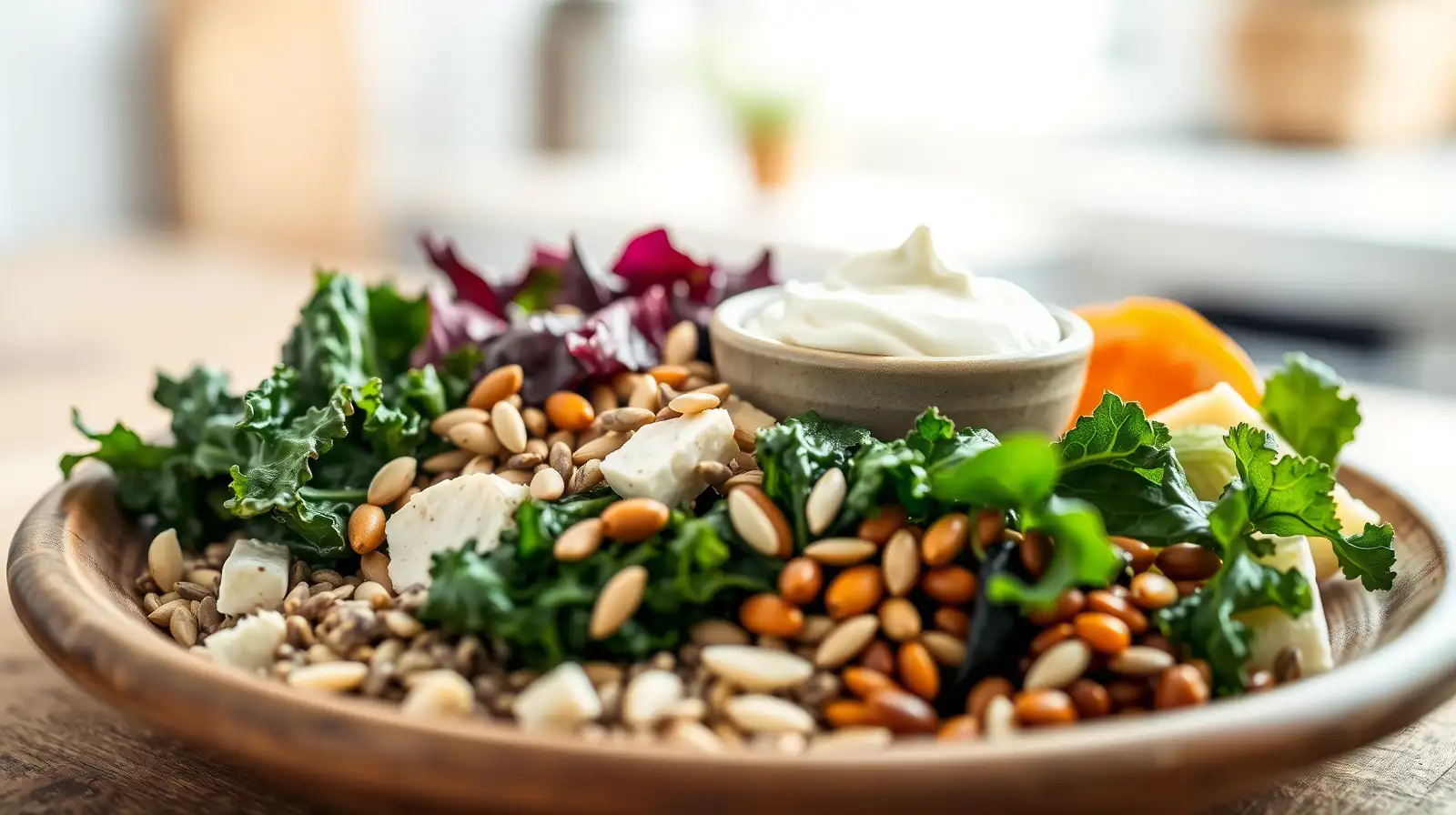
Without enough of these nutrients, even a calcium-rich diet may not provide the full benefits. This is why nutrition experts recommend eating a varied diet rather than relying on a single nutrient or supplement.
Regular weight-bearing exercise and adequate sunlight exposure also work alongside good nutrition to support lifelong bone health.
Yoghurt offers the added benefit of probiotics, which support gut health and may improve nutrient absorption. Choosing lower-sugar varieties allows people to enjoy these benefits without unnecessary added sugars.
For those who avoid dairy, many plant-based alternatives are now fortified with calcium and vitamin D , helping meet daily nutritional needs.
Oily fish such as salmon and sardines are particularly beneficial because they supply vitamin D alongside calcium. Sardines eaten with their soft edible bones are especially nutrient-rich and provide an excellent natural source of bone-supporting minerals.
Beans, lentils and chickpeas also deserve attention. They provide plant protein, magnesium and potassium, all of which contribute to maintaining bone density. Dried fruits such as prunes have attracted growing scientific interest, with studies suggesting they may help slow age-related bone loss when included as part of a balanced diet.
Even eggs play a role by supplying vitamin D in the yolk, along with high-quality protein needed for healthy bone tissue.
A balanced diet rich in whole foods, combined with regular physical activity, is one of the most effective ways to maintain bone strength naturally. Small daily choices can have lasting benefits well into older age.
Bone Health Depends on More Than Calcium
Calcium is the main mineral found in bones, but it cannot work alone. Vitamin D helps the body absorb calcium efficiently, while magnesium, phosphorus, vitamin K and protein all contribute to building and maintaining strong bones.Without enough of these nutrients, even a calcium-rich diet may not provide the full benefits. This is why nutrition experts recommend eating a varied diet rather than relying on a single nutrient or supplement.
Regular weight-bearing exercise and adequate sunlight exposure also work alongside good nutrition to support lifelong bone health.
Dairy Foods Remain Excellent Sources
Milk, yoghurt and cheese are among the richest natural sources of calcium. They also provide high-quality protein and phosphorus, making them valuable foods for maintaining healthy bones.You may also like
- Common mistakes by parents that silently damage children's immunity according to a wellness and nutrition coach
- Selena Gomez picked Oscar de la Renta for Taylor Swift's rehearsal dinner and the choice felt surprisingly personal
- Update or Add Your Aadhaar Email ID from Home for Free; UIDAI Offers Service Through Aadhaar App
- How to choose clothes for your baby: Moms share mistakes that secretly impacted their infant's health
- Effective Methods for Cleaning Your Water Tank
Yoghurt offers the added benefit of probiotics, which support gut health and may improve nutrient absorption. Choosing lower-sugar varieties allows people to enjoy these benefits without unnecessary added sugars.
For those who avoid dairy, many plant-based alternatives are now fortified with calcium and vitamin D , helping meet daily nutritional needs.
Leafy Greens and Fish Offer Powerful Benefits
Dark green vegetables such as kale, broccoli and pak choi provide calcium along with vitamin K, an essential nutrient involved in bone formation. Although spinach contains calcium, it also has compounds called oxalates that reduce how much the body can absorb.Oily fish such as salmon and sardines are particularly beneficial because they supply vitamin D alongside calcium. Sardines eaten with their soft edible bones are especially nutrient-rich and provide an excellent natural source of bone-supporting minerals.
Lesser-Known Foods That Strengthen Bones
Nuts and seeds contribute magnesium, phosphorus and healthy fats that support bone maintenance. Almonds, sesame seeds and pumpkin seeds are particularly rich in these nutrients.Beans, lentils and chickpeas also deserve attention. They provide plant protein, magnesium and potassium, all of which contribute to maintaining bone density. Dried fruits such as prunes have attracted growing scientific interest, with studies suggesting they may help slow age-related bone loss when included as part of a balanced diet.
Even eggs play a role by supplying vitamin D in the yolk, along with high-quality protein needed for healthy bone tissue.
Why Healthy Bones Matter Today
As people live longer, maintaining bone health has become increasingly important. Conditions such as osteoporosis affect millions worldwide, increasing the risk of fractures and reducing quality of life. Fortunately, healthy eating habits established early can help protect bones for decades.A balanced diet rich in whole foods, combined with regular physical activity, is one of the most effective ways to maintain bone strength naturally. Small daily choices can have lasting benefits well into older age.






More from our partners


Loving Newspoint? Download the app now
