
The Rise of Audio Journaling: Is Speaking Your Thoughts Better Than Writing Them?

For centuries, keeping a journal meant sitting down with a notebook and a pen, quietly putting your thoughts onto paper. From personal diaries to modern gratitude logs, written journaling has long been considered the gold standard for self-reflection and emotional processing . However, as busy lifestyles and screen fatigue make traditional journaling feel like an extra chore, a new trend is rapidly gaining popularity: audio journaling .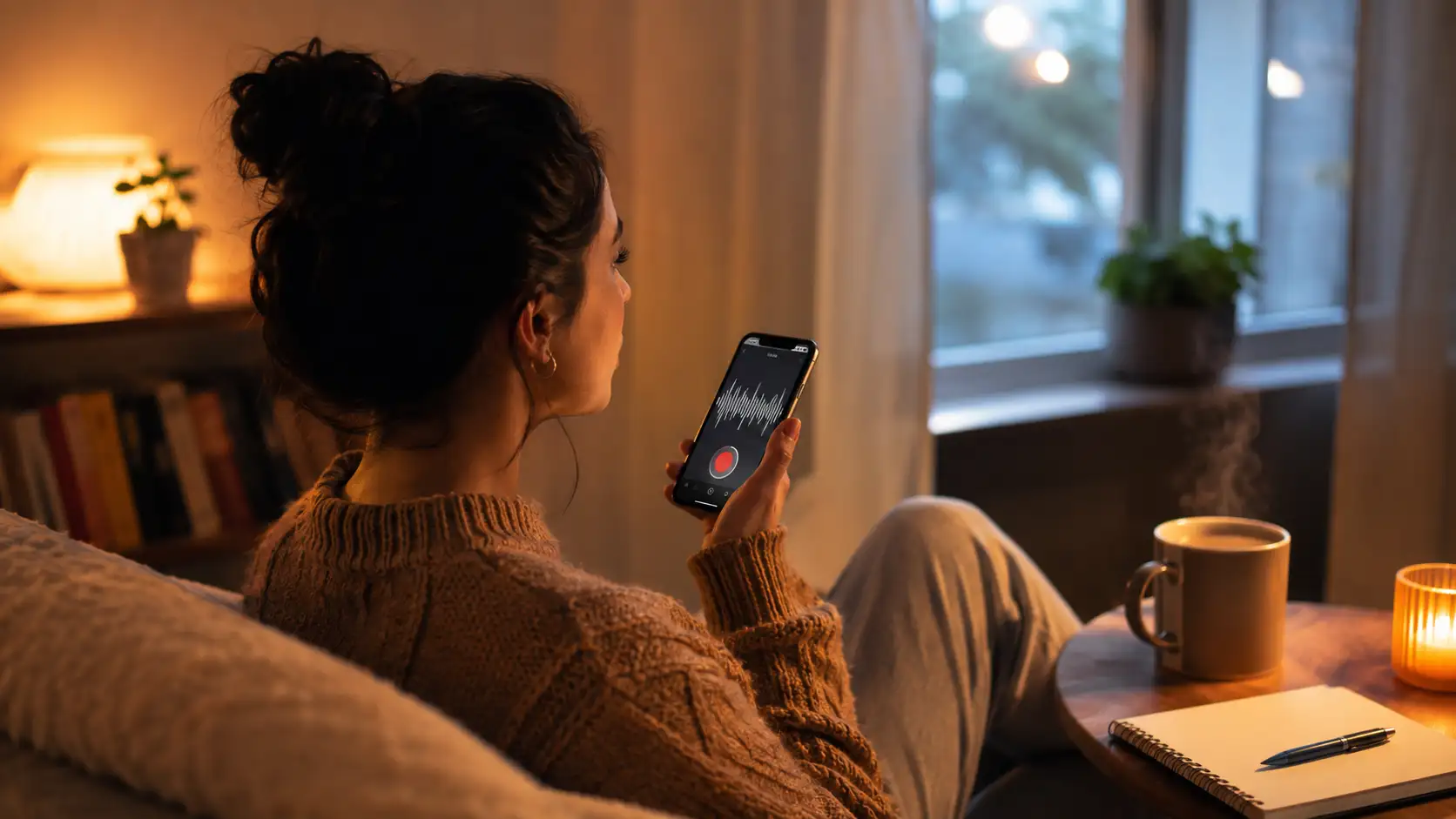
Instead of writing things down, people are opening voice recording apps on their smartphones and simply talking out loud. Whether recorded during a morning commute, a quiet evening walk, or right before bed, audio journaling is changing how we process our daily lives. But why is speaking your thoughts becoming so popular, and could it actually be more effective than writing them?
Audio journaling eliminates this barrier completely. Speaking is natural, fast, and spontaneous. When you talk out loud to a voice recorder, your thoughts flow without the need for structure or punctuation. This stream-of-consciousness style allows you to express raw, unfiltered emotions, helping you uncover underlying feelings that might have remained hidden during a slow writing session.
Psychologists note that hearing your own voice can be a powerful tool for emotional processing. Expressing frustration, sadness, or joy out loud provides an immediate emotional release. Furthermore, listening back to your own voice recordings later offers a unique mirror. You can hear the relief in your voice after solving a problem or notice subtle anxiety in your tone before an important event, granting deeper insight into your emotional state over time.
Audio journaling requires no special desk setup, lighting, or quiet room. You can record a quick two-minute voice note while making breakfast, sitting in traffic, or taking a short stroll outdoors. This low barrier to entry makes it far easier to maintain a consistent daily habit, making self-care accessible even on your busiest days.
However, audio journaling offers a dynamic, flexible alternative for anyone who struggles with written words. If you find traditional journaling intimidating or time-consuming, picking up your phone and speaking your mind might just be the personal breakthrough you need.
Instead of writing things down, people are opening voice recording apps on their smartphones and simply talking out loud. Whether recorded during a morning commute, a quiet evening walk, or right before bed, audio journaling is changing how we process our daily lives. But why is speaking your thoughts becoming so popular, and could it actually be more effective than writing them?
The Freedom of Unfiltered Expression
One of the biggest hurdles with traditional journaling is the physical act of writing itself. Writing by hand or typing on a keyboard is a relatively slow process. Often, our minds move much faster than our hands can keep up with. This speed gap can cause us to censor or edit our thoughts before they even reach the page, striving for neat sentences and proper grammar.Audio journaling eliminates this barrier completely. Speaking is natural, fast, and spontaneous. When you talk out loud to a voice recorder, your thoughts flow without the need for structure or punctuation. This stream-of-consciousness style allows you to express raw, unfiltered emotions, helping you uncover underlying feelings that might have remained hidden during a slow writing session.
Emotional Release Through Voice Tone
When you write in a notebook, the words on the page are silent. They lack the subtle nuances of human emotion. In contrast, speaking allows you to capture tone, pitch, emphasis, and pauses.You may also like
- Fruits and diabetes: Do you tend to eat too much fruit a day? Find out how much natural sugar can raise blood sugar
- She was moved from a private school to a government school because her family couldn't afford the fee; today the carpenter's daughter is part of a global lunar satellite mission
- E20 Petrol: Will a method to test for ethanol become available at petrol pumps? You stand to benefit if this demand from dealers is met..
- Income Tax Notice: Income tax notice sent to a deceased person's home; High Court delivers a significant ruling
- 7 Timeless Lessons from Garuda Purana Every Sanatani Should Know
Psychologists note that hearing your own voice can be a powerful tool for emotional processing. Expressing frustration, sadness, or joy out loud provides an immediate emotional release. Furthermore, listening back to your own voice recordings later offers a unique mirror. You can hear the relief in your voice after solving a problem or notice subtle anxiety in your tone before an important event, granting deeper insight into your emotional state over time.
Convenience in a Fast-Paced World
In addition to psychological benefits, audio journaling fits seamlessly into modern, busy routines. Finding twenty quiet minutes to sit down with a physical diary can feel challenging after a long workday.Audio journaling requires no special desk setup, lighting, or quiet room. You can record a quick two-minute voice note while making breakfast, sitting in traffic, or taking a short stroll outdoors. This low barrier to entry makes it far easier to maintain a consistent daily habit, making self-care accessible even on your busiest days.
Finding the Right Balance for You
Does the rise of audio journaling mean paper diaries are obsolete? Not necessarily. Writing by hand still offers distinct benefits, such as slowing down an overactive mind and providing a tactile, screen-free break.However, audio journaling offers a dynamic, flexible alternative for anyone who struggles with written words. If you find traditional journaling intimidating or time-consuming, picking up your phone and speaking your mind might just be the personal breakthrough you need.






Loving Newspoint? Download the app now
