
How Owls Turn Their Heads Nearly 270 Degrees Without Injury

An owl sitting silently on a tree branch can seem almost magical. One moment it is staring straight ahead, and the next it has turned its head so far that it appears to be looking directly behind itself. This extraordinary ability has fascinated people for centuries and inspired countless myths. Contrary to popular belief, owls cannot spin their heads all the way around. However, they can rotate them by as much as 270 degrees, far more than humans can manage. This remarkable adaptation is the result of millions of years of evolution, helping owls become some of the most successful night-time hunters on Earth.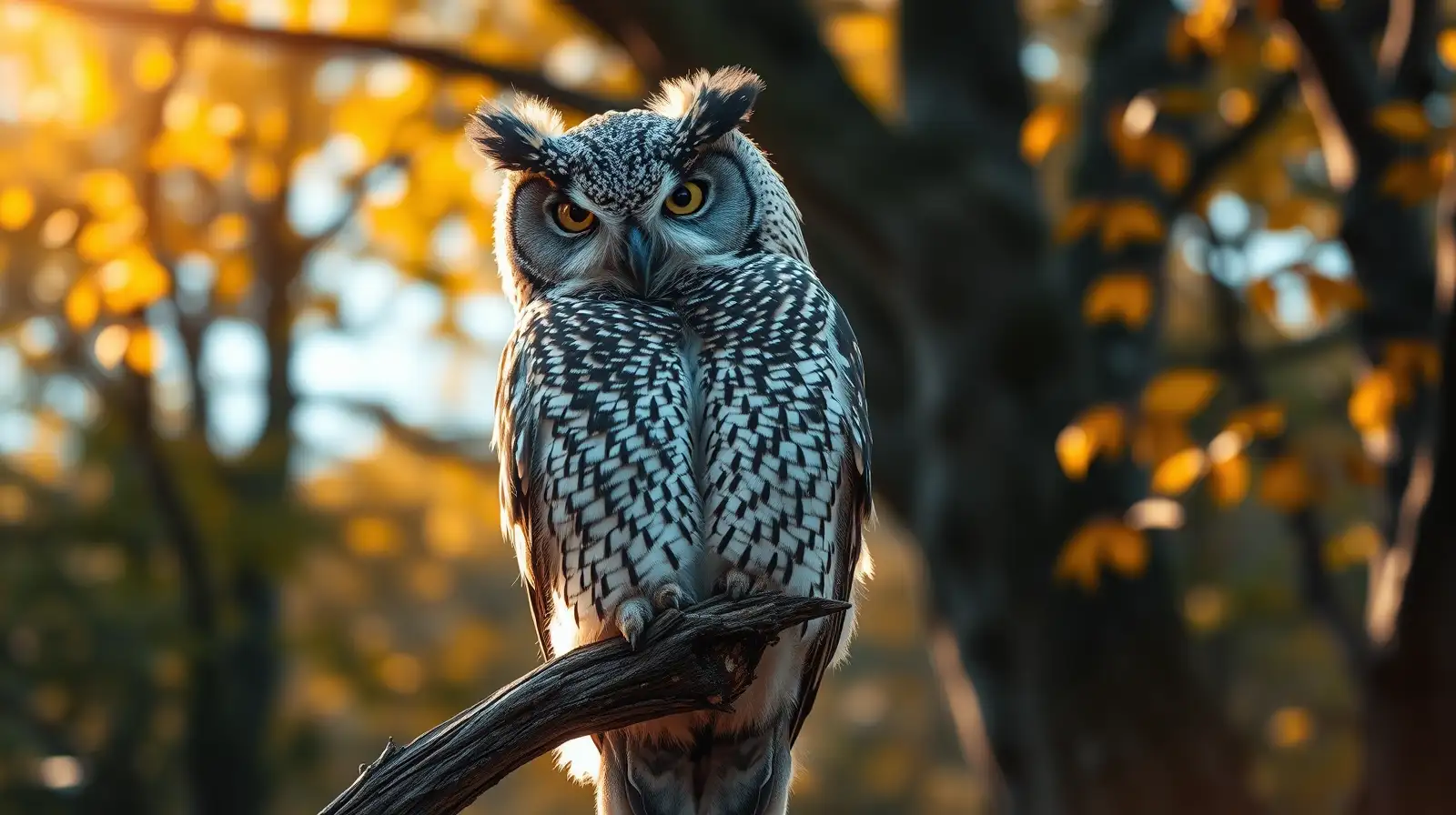
Because their eyes remain stationary, owls must turn their entire heads to change their field of view. This allows them to scan their surroundings for prey, predators and other movement without shifting the rest of their bodies.
Remaining still while only moving the head also helps owls stay hidden, giving them a significant advantage when hunting.
Special joints between these bones allow smooth and controlled movement while maintaining stability. Strong neck muscles work alongside this flexible structure, enabling owls to rotate their heads quickly and accurately.
Even with this impressive mobility, owls do not rotate their heads a full 360 degrees, as is often mistakenly believed.
Researchers discovered that owls possess enlarged openings in their neck vertebrae through which major arteries pass. These extra spaces prevent the arteries from being compressed as the head turns.
In addition, owls have small reservoirs within their blood vessels that help maintain a steady flow of blood to the brain during extreme rotation. This unique adaptation greatly reduces the risk of interrupted circulation.
Their soft feathers enable almost silent flight, allowing them to approach unsuspecting prey without being heard. Combined with outstanding night vision, these features make owls highly efficient predators.
Scientists believe these adaptations evolved together, giving owls a unique advantage in forests, grasslands and other habitats around the world.
However, many owl species face threats from habitat loss, road traffic, pollution and climate change. Protecting forests, grasslands and nesting sites is essential for ensuring these remarkable birds continue to thrive.
Learning about the owl's extraordinary anatomy also inspires advances in fields such as biology, medicine and engineering, where natural designs often influence new technologies.
Why Owls Need Such Extreme Head Rotation
Unlike humans, owls have eyes that are fixed firmly in their sockets. Their large, tube-shaped eyes provide exceptional vision, especially in low light, but they cannot move from side to side.Because their eyes remain stationary, owls must turn their entire heads to change their field of view. This allows them to scan their surroundings for prey, predators and other movement without shifting the rest of their bodies.
Remaining still while only moving the head also helps owls stay hidden, giving them a significant advantage when hunting.
The Anatomy Behind the Movement
The secret lies in the owl's unique skeletal structure. Humans have seven neck vertebrae, but owls have 14. The extra vertebrae give their necks much greater flexibility and a wider range of motion.Special joints between these bones allow smooth and controlled movement while maintaining stability. Strong neck muscles work alongside this flexible structure, enabling owls to rotate their heads quickly and accurately.
Even with this impressive mobility, owls do not rotate their heads a full 360 degrees, as is often mistakenly believed.
How Owls Protect Their Blood Supply
One of the biggest mysteries scientists wanted to solve was how owls avoid damaging blood vessels during such dramatic head movements.Researchers discovered that owls possess enlarged openings in their neck vertebrae through which major arteries pass. These extra spaces prevent the arteries from being compressed as the head turns.
You may also like
- Heavy rain to lash multiple states this week as IMD flags flood threat and thunderstorms; what travellers need to know
- Essential Summer Hair Care Tips for a Healthy Scalp
- Guru Purnima 2026: Significance, Date, and Rituals
- Think your kitchen is clean? These 7 everyday items probably need more frequent cleaning
- Animal Memory Research Is Overturning Everything We Thought We Knew About Cognition
In addition, owls have small reservoirs within their blood vessels that help maintain a steady flow of blood to the brain during extreme rotation. This unique adaptation greatly reduces the risk of interrupted circulation.
More Than Just Flexible Necks
Head rotation is only one of several remarkable hunting adaptations. Owls also have exceptionally sensitive hearing, with some species possessing slightly uneven ear openings that allow them to pinpoint the exact location of prey using sound alone.Their soft feathers enable almost silent flight, allowing them to approach unsuspecting prey without being heard. Combined with outstanding night vision, these features make owls highly efficient predators.
Scientists believe these adaptations evolved together, giving owls a unique advantage in forests, grasslands and other habitats around the world.
Why Understanding Owls Matters Today
Owls play an important role in maintaining healthy ecosystems by controlling populations of rodents and other small animals. Farmers often benefit naturally from the presence of owls, as they help reduce crop-damaging pests without the need for excessive chemical control.However, many owl species face threats from habitat loss, road traffic, pollution and climate change. Protecting forests, grasslands and nesting sites is essential for ensuring these remarkable birds continue to thrive.
Learning about the owl's extraordinary anatomy also inspires advances in fields such as biology, medicine and engineering, where natural designs often influence new technologies.






Loving Newspoint? Download the app now
