
UPI Revolution in India: Why Mothers and Homemakers Are the Last to Adopt UPI Apps

India’s rapid UPI revolution has made digital payments an inseparable part of everyday life, replacing cash transactions across cities, from street vendors to home deliveries and retail shopping. However, beneath this fast-growing shift towards a cashless economy lies a noticeable gap within households. In many middle-class families, it is often mothers and homemakers - especially older women - who are the last to adopt mobile payment apps and fully participate in the digital transaction ecosystem.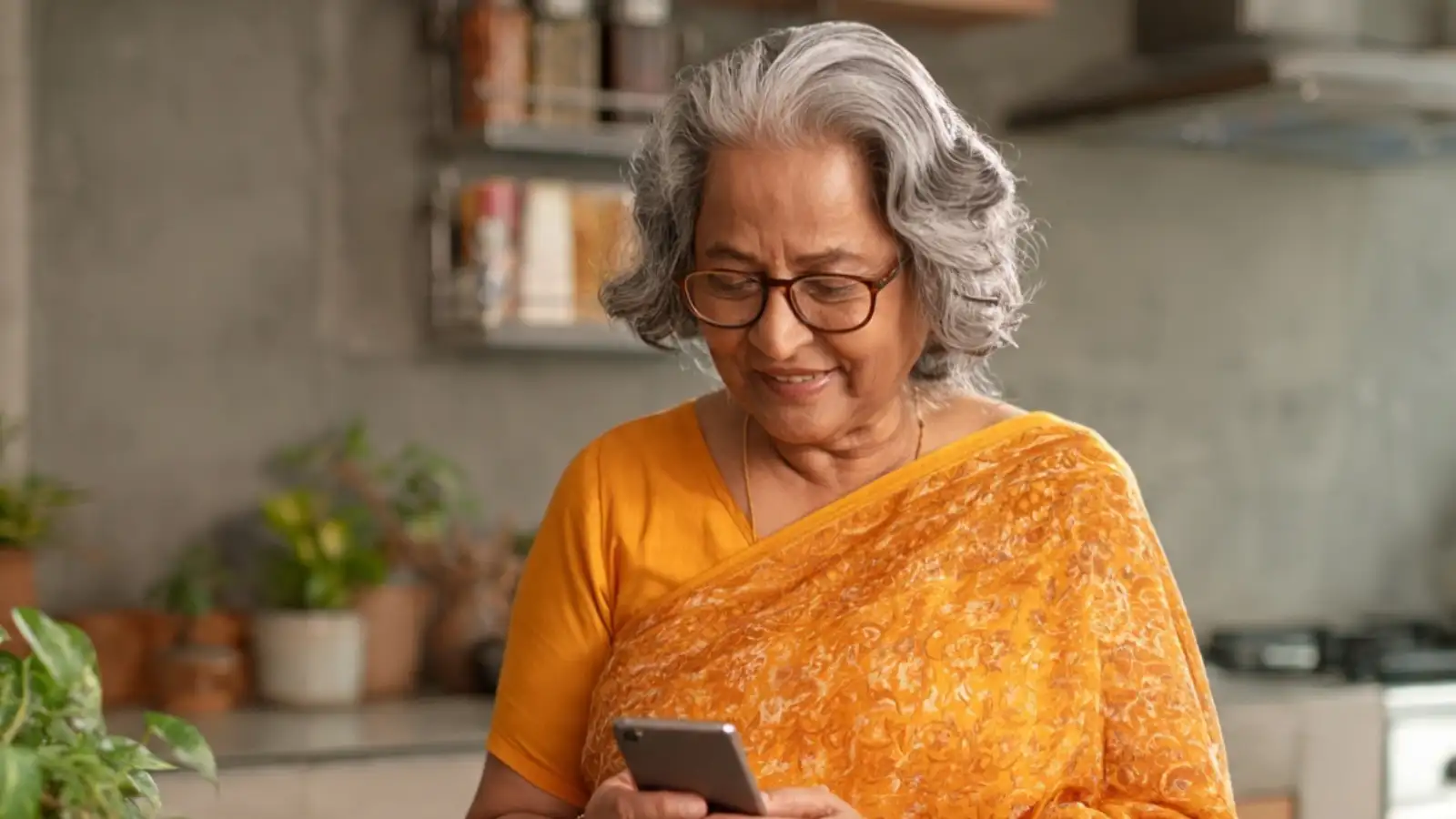
This internal household delay typically stems from a mix of protective familial attitudes and lingering technological hesitation. In many urban environments, younger family members and husbands eagerly embraced app-based banking years ago, but they frequently discourage homemakers from doing the same. Younger generations often worry that older relatives are far more vulnerable to phishing links, deceptive telephone calls, and digital bank scams. As a protective measure, families choose to manage transactions on behalf of mothers, inadvertently lengthening their dependence on others for basic everyday mobility and independent spending.
Sociologically, this barrier is also deeply intertwined with the historical distribution of economic roles inside traditional Indian homes. For generations, male family members took charge of formal banking institutions, utility paperwork, and major investment decisions. Conversely, women historically oversaw physical household cash reserves, daily ration budgeting, and small domestic savings. When traditional money systems migrated from tangible bank notes to virtual applications on smartphones, many homemakers found themselves locked out of a technical infrastructure they were never formally introduced to.
The consequences of this exclusion become acutely apparent as paper currency continues to disappear from local supply chains. Homemakers face immense daily inconvenience when dealing with home deliveries, e-commerce drop-offs, or neighborhood grocery purchases because delivery personnel and merchants rarely carry exact physical change. Searching the entire residence for precise cash amounts becomes a frequent, exhausting routine for older women, especially those managing physical health issues or age-related mobility constraints.
Lately, an encouraging shift is taking place as younger family members actively work to bridge this domestic tech deficit. Instead of managing payments for their parents, children are increasingly taking on the responsibility of digital education. By helping mothers establish secure bank linkages, guiding them through the mechanics of scanning code boards, and reinforcing online safety practices, they are slowly driving financial inclusion within the home. For these women, learning to handle digital wallets provides a profound sense of personal liberation, ensuring they no longer have to wait for a family member to authorize minor everyday expenditures.
Overcoming the Psychological Hesitancy
Beyond familial restrictions, the personal hesitation of homemakers plays a significant role in delayed adoption. Many older women express a strong psychological preference for physical cash because tangible money provides a sense of immediate control over a budget. Seeing numbers on a digital screen feels abstract and untrustworthy to individuals who have spent decades balancing household accounts using physical cash boxes. Overcoming this internal friction requires patient demonstration, proving that electronic ledgers are just as reliable as paper notebooks.
As community awareness grows and localized instructional content becomes readily available, more homemakers are gradually shedding their tech anxieties. This slow but steady shift highlights that true financial empowerment is achieved not merely through widespread national infrastructure, but by intentionally ensuring that the most vulnerable and traditionally sidelined members of every household are given the tools, confidence, and independence to confidently participate in the modern digital age.
The Protective Family Filter
This internal household delay typically stems from a mix of protective familial attitudes and lingering technological hesitation. In many urban environments, younger family members and husbands eagerly embraced app-based banking years ago, but they frequently discourage homemakers from doing the same. Younger generations often worry that older relatives are far more vulnerable to phishing links, deceptive telephone calls, and digital bank scams. As a protective measure, families choose to manage transactions on behalf of mothers, inadvertently lengthening their dependence on others for basic everyday mobility and independent spending.
The Evolution of Domestic Roles
Sociologically, this barrier is also deeply intertwined with the historical distribution of economic roles inside traditional Indian homes. For generations, male family members took charge of formal banking institutions, utility paperwork, and major investment decisions. Conversely, women historically oversaw physical household cash reserves, daily ration budgeting, and small domestic savings. When traditional money systems migrated from tangible bank notes to virtual applications on smartphones, many homemakers found themselves locked out of a technical infrastructure they were never formally introduced to.
You may also like
- Why travellers are paying more to feel fear, freedom and adrenaline; the rise of adventure tourism in India
- Tamil Model Tabitha Mary makes a dazzling Cannes debut in metallic couture
- Celebrating 20 years: Alex Jones and Roman Kemp launch The One Show's special Rose!
- Her husband left, but she refused to give up: This Kalyan mother now drives a rickshaw 16 hours a day for her daughter's dream
- ₹3,000 for ASHA workers, ₹1,000 for Anganwadi staff, and free bus rides for women announced by this state government.
The Inconvenience of Cash Dependence
The consequences of this exclusion become acutely apparent as paper currency continues to disappear from local supply chains. Homemakers face immense daily inconvenience when dealing with home deliveries, e-commerce drop-offs, or neighborhood grocery purchases because delivery personnel and merchants rarely carry exact physical change. Searching the entire residence for precise cash amounts becomes a frequent, exhausting routine for older women, especially those managing physical health issues or age-related mobility constraints.
Bridging the Digital Divide
Lately, an encouraging shift is taking place as younger family members actively work to bridge this domestic tech deficit. Instead of managing payments for their parents, children are increasingly taking on the responsibility of digital education. By helping mothers establish secure bank linkages, guiding them through the mechanics of scanning code boards, and reinforcing online safety practices, they are slowly driving financial inclusion within the home. For these women, learning to handle digital wallets provides a profound sense of personal liberation, ensuring they no longer have to wait for a family member to authorize minor everyday expenditures.
Overcoming the Psychological Hesitancy
Beyond familial restrictions, the personal hesitation of homemakers plays a significant role in delayed adoption. Many older women express a strong psychological preference for physical cash because tangible money provides a sense of immediate control over a budget. Seeing numbers on a digital screen feels abstract and untrustworthy to individuals who have spent decades balancing household accounts using physical cash boxes. Overcoming this internal friction requires patient demonstration, proving that electronic ledgers are just as reliable as paper notebooks.
As community awareness grows and localized instructional content becomes readily available, more homemakers are gradually shedding their tech anxieties. This slow but steady shift highlights that true financial empowerment is achieved not merely through widespread national infrastructure, but by intentionally ensuring that the most vulnerable and traditionally sidelined members of every household are given the tools, confidence, and independence to confidently participate in the modern digital age.






More from our partners


Loving Newspoint? Download the app now
