
How Much Protein Do Urad, Masoor, Moong, And Chana Contain?

Dal is more than just a staple, it’s comfort, tradition, and a powerhouse of nutrition. While fitness enthusiasts often focus on chicken, eggs or whey, pulses quietly deliver 21–25% protein by dry weight, almost double that of cereals, providing about 8 grams of protein per 100 grams when cooked, according to the European Food Information Council (EUFIC).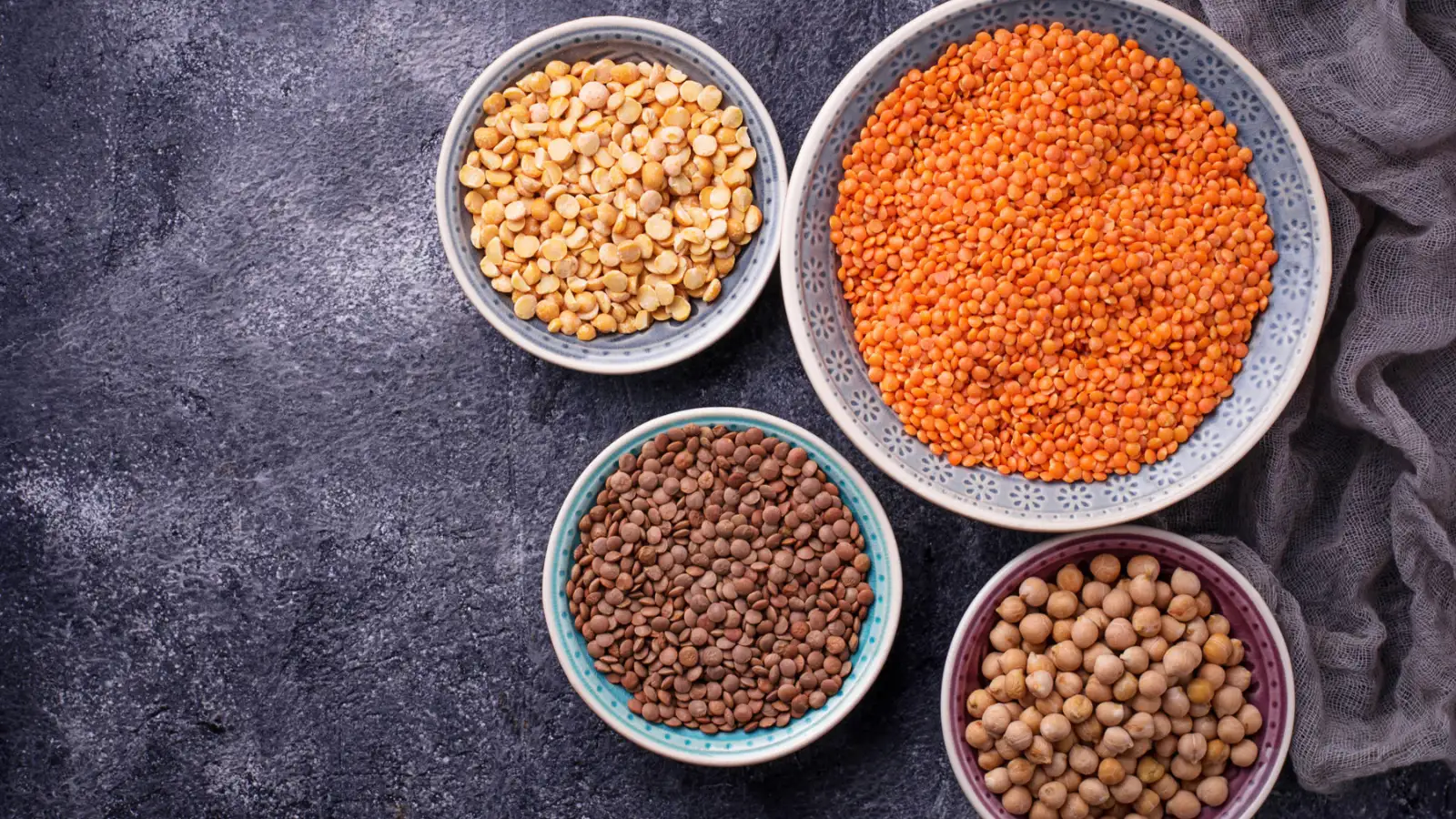
Beyond protein, pulses are rich in fibre, iron, folate, magnesium, B-vitamins, and contain zero cholesterol. The United Nations recognised their importance by designating February 10th as World Pulses Day, highlighting their role in sustainable nutrition and food security. Pulses are cost-effective, eco-friendly, and nutrient-dense, making them an ideal protein source for vegetarians and budget-conscious diets.
1. Soybeans (Soya) – The Complete Protein
2. Horse Gram (Kulthi Dal) – Indian Powerhouse
3. Moong Dal (Green Gram) – Digestive-Friendly
4. Masoor Dal (Red Lentils) – Quick-Cooking Champion
6. Rajma (Kidney Beans) – Comfort Food Protein
Complete Protein With Dal and Rice
While pulses are low in methionine, pairing them with grains like rice or wheat creates a complete protein, providing all nine essential amino acids. Traditional Indian meals like dal-rice or rajma-chawal naturally balance amino acids, making plant-based diets nutritionally robust.
Tips to Maximise Protein from Pulses
With diverse flavours and cooking styles, pulses can provide high-quality protein, supporting a vegetarian lifestyle while being affordable, sustainable, and delicious.
Disclaimer: This article provides general nutritional information only and is not a substitute for professional medical advice. Always consult a qualified doctor, nutritionist, or health expert before making dietary changes, especially if you have medical conditions. Newspoint does not accept responsibility for any health decisions made based on this content.
You may also like
- Quote of the day by Steve Jobs: "Coming back to America was, for me, much more of a cultural shock than going to India"; how one journey changed his life forever
- Sarnath is now India's 45th UNESCO World Heritage Site but what happens when a monument gets UNESCO status?
- Unique Baby Names Inspired by Zodiac Signs
- The Path to Inner Wisdom Begins with True Education
- Quote of the Day by Pythagoras, "Do not go to bed until you have gone over the day three times in your mind. What wrong...."
Beyond protein, pulses are rich in fibre, iron, folate, magnesium, B-vitamins, and contain zero cholesterol. The United Nations recognised their importance by designating February 10th as World Pulses Day, highlighting their role in sustainable nutrition and food security. Pulses are cost-effective, eco-friendly, and nutrient-dense, making them an ideal protein source for vegetarians and budget-conscious diets.
Top Six Protein-Packed Pulses
1. Soybeans (Soya) – The Complete Protein
- Protein: 36–40g per 100g dry | 10.6g per 100g cooked
- Forms: Tofu, tempeh, soy milk, edamame, soy chunks
- Benefits: Complete protein with all nine essential amino acids, supports muscle building, heart health, and tissue repair.
2. Horse Gram (Kulthi Dal) – Indian Powerhouse
- Protein: 22–25g per 100g dry | 9g per 100g cooked
- Uses: Kollu rasam, huruli saaru, sprouted salads
- Benefits: Helps kidney function, regulates blood sugar, high iron, aids weight management.
- Caution: High purine content; limit if you have gout.
3. Moong Dal (Green Gram) – Digestive-Friendly
- Protein: 24g per 100g dry | 7–8g per 100g cooked
- Uses: Khichdi, cheela, pesarattu dosa, sprouted salads
- Benefits: Gentle on the stomach, rich in antioxidants, promotes skin and hair health.
4. Masoor Dal (Red Lentils) – Quick-Cooking Champion
- Protein: 25g per 100g dry | 8.8g per 100g cooked
- Uses: Tadka dal, soups, curries, lentil shepherd’s pie
- Benefits: High folate, supports heart health, regulates blood sugar, promotes satiety.
5. Chana/Kabuli Chana (Chickpeas) – The Versatile Favourite
- Protein: 19g per 100g dry | 8.3g per 100g cooked
- Uses: Chole masala, hummus, roasted snacks, salads
- Benefits: High fibre, manganese and folate, supports bone health, reduces inflammation.
6. Rajma (Kidney Beans) – Comfort Food Protein
- Protein: 22–24g per 100g dry | 8.3g per 100g cooked
- Uses: Rajma-chawal, curries, salads, tikki
- Benefits: High fibre, rich in antioxidants, supports heart health, provides sustained energy.
- Tip: Always soak overnight and boil thoroughly to remove toxins.
Complete Protein With Dal and Rice
While pulses are low in methionine, pairing them with grains like rice or wheat creates a complete protein, providing all nine essential amino acids. Traditional Indian meals like dal-rice or rajma-chawal naturally balance amino acids, making plant-based diets nutritionally robust.Tips to Maximise Protein from Pulses
- Sprout Pulses – Boosts protein bioavailability and adds digestive enzymes.
- Pair with Vitamin C – Enhances absorption of plant-based iron.
- Soak Before Cooking – Reduces cooking time and anti-nutrients.
- Cook Thoroughly – Especially important for kidney beans.
- Use Cooking Water – Retains nutrients for gravies or soups.
With diverse flavours and cooking styles, pulses can provide high-quality protein, supporting a vegetarian lifestyle while being affordable, sustainable, and delicious.
Disclaimer: This article provides general nutritional information only and is not a substitute for professional medical advice. Always consult a qualified doctor, nutritionist, or health expert before making dietary changes, especially if you have medical conditions. Newspoint does not accept responsibility for any health decisions made based on this content.






Loving Newspoint? Download the app now
