
Valley of Flowers Reopens for 2026: Best Time to Visit, Trek Route, Permits and Travel Guide

Nature lovers and trekking enthusiasts have a reason to celebrate as the Valley of Flowers has officially reopened to visitors for the 2026 season. Tucked away in the stunning Garhwal Himalayas of Uttarakhand, this world-famous destination comes alive during the monsoon months with a breathtaking display of colourful alpine flowers. Recognised as a UNESCO World Heritage Site , the valley attracts thousands of travellers every year who come to witness its unmatched natural beauty, rich biodiversity and scenic mountain landscapes.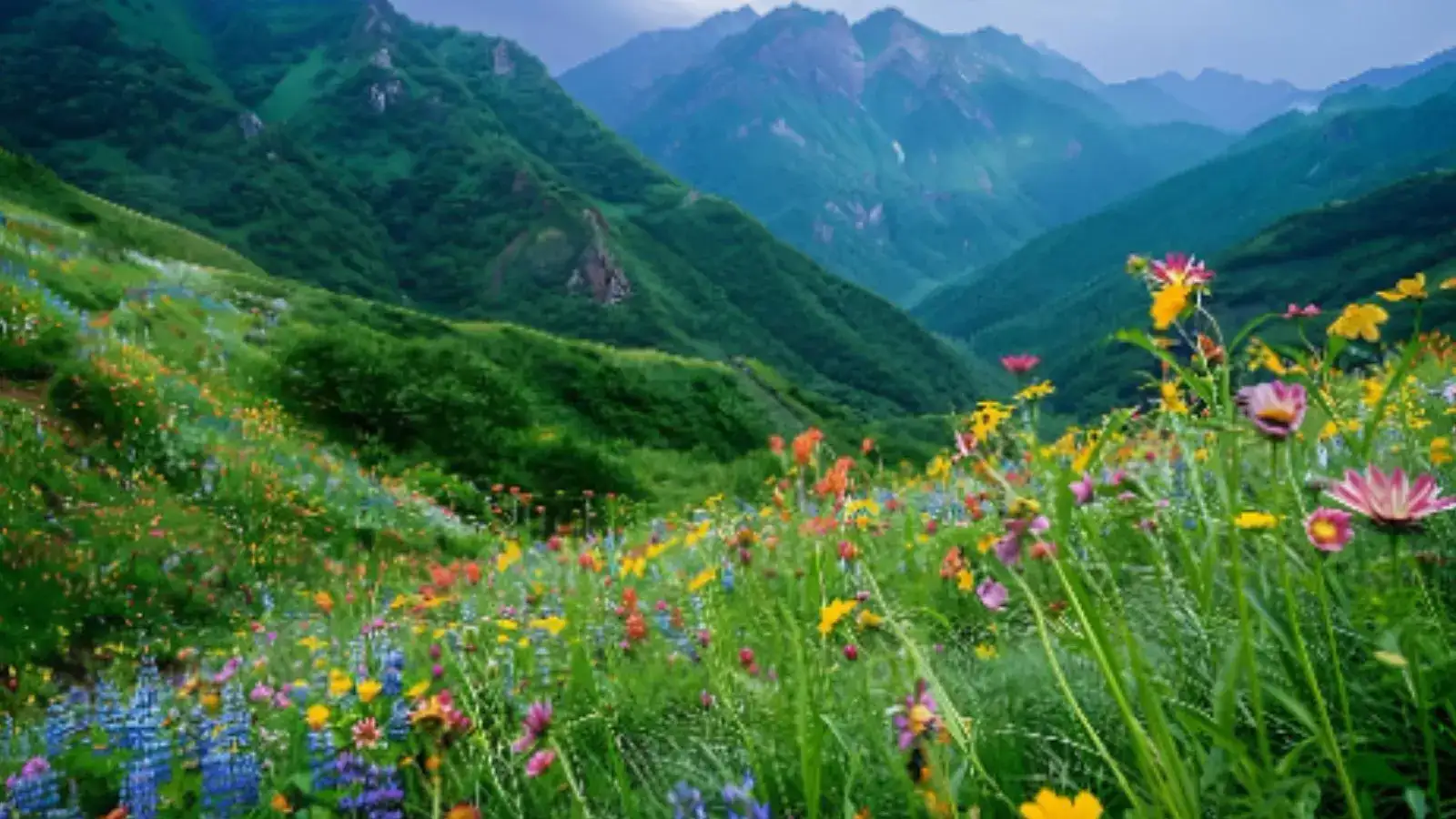
From vibrant flower-covered meadows to picturesque trekking trails, the Valley of Flowers offers an unforgettable experience for anyone seeking a memorable Himalayan adventure.
What Makes the Valley of Flowers So Unique?
Located in Uttarakhand’s Chamoli district within the Nanda Devi Biosphere Reserve, the Valley of Flowers is one of India's most celebrated natural treasures. The area was designated as a national park in 1982 and later earned UNESCO World Heritage status due to its ecological significance.
The valley is home to more than 600 varieties of alpine flowers, many of which bloom for only a short period each year. Apart from its floral richness, the region also supports diverse wildlife, including Himalayan black bears, musk deer, blue sheep and several rare high-altitude species.
Interestingly, the valley gained international recognition after British mountaineer and botanist Frank S Smythe reportedly discovered it while returning from a Himalayan expedition in 1931.
Best Time to Visit Valley of Flowers in 2026
Although the national park opens in early June and remains accessible until October, the experience varies significantly depending on when you visit.
June: Fresh Green Landscapes
The snow begins to melt, revealing lush green trails and beautiful mountain scenery. Visitor numbers are relatively low, making it ideal for those seeking a quieter trekking experience.
Mid-July to Mid-August: Peak Flowering Season
This is widely considered the best time to visit. Thousands of flowers bloom simultaneously, transforming the valley into a spectacular natural garden filled with vibrant colours.
August to Early September: Perfect for Photography
Travellers can enjoy abundant blooms, pleasant weather and excellent photography opportunities. The valley remains colourful while offering clearer views than the peak monsoon period.
Late September to October: Clear Himalayan Views
Flowering gradually decreases, but visitors are rewarded with crisp weather, fewer crowds and stunning mountain vistas.
How to Reach the Valley of Flowers
The journey begins from Govindghat, a small town well connected by road to major Uttarakhand destinations such as Rishikesh and Haridwar.
A typical travel plan includes:
Day 1: Arrive at Govindghat
Reach Govindghat and prepare for the trek ahead.
Day 2: Travel to Ghangaria
Trek approximately 13 kilometres to Ghangaria or opt for a mule ride. This picturesque route passes through beautiful mountain landscapes and river valleys.
Since overnight stays are not allowed inside the Valley of Flowers National Park, Ghangaria serves as the primary base camp for visitors.
Valley of Flowers Entry Timings and Permits
To protect the fragile ecosystem, entry to the park is carefully regulated by forest authorities.
Travellers are advised to obtain permits through official channels before planning their visit.
Famous Flowers You Can Spot in the Valley
Depending on the timing of your visit, the valley showcases a remarkable variety of blooms.
Some commonly spotted flowers include:
Visitors heading towards Hemkund Sahib may also encounter the revered Brahma Kamal, the state flower of Uttarakhand.
Essential Travel Tips for Trekkers
The Valley of Flowers trek is considered moderately challenging and requires reasonable fitness levels. Weather conditions can change rapidly, especially during the monsoon season.
Before starting the trek, make sure to carry:
As the route passes through high-altitude terrain, visitors should also allow adequate time for acclimatisation.
Why Valley of Flowers Should Be on Your 2026 Travel List
With the trekking season now underway, 2026 presents an excellent opportunity to experience one of India's most enchanting natural destinations. Whether you are a trekking enthusiast, nature photographer or someone looking to escape into the Himalayas, the Valley of Flowers delivers an experience unlike any other.
Its colourful meadows, pristine mountain environment and UNESCO-recognised ecological significance make it one of the most rewarding monsoon getaways in the country. For those seeking a perfect blend of adventure and natural beauty, the Valley of Flowers remains a destination that truly lives up to its reputation.
From vibrant flower-covered meadows to picturesque trekking trails, the Valley of Flowers offers an unforgettable experience for anyone seeking a memorable Himalayan adventure.
What Makes the Valley of Flowers So Unique?
Located in Uttarakhand’s Chamoli district within the Nanda Devi Biosphere Reserve, the Valley of Flowers is one of India's most celebrated natural treasures. The area was designated as a national park in 1982 and later earned UNESCO World Heritage status due to its ecological significance.
The valley is home to more than 600 varieties of alpine flowers, many of which bloom for only a short period each year. Apart from its floral richness, the region also supports diverse wildlife, including Himalayan black bears, musk deer, blue sheep and several rare high-altitude species.
Interestingly, the valley gained international recognition after British mountaineer and botanist Frank S Smythe reportedly discovered it while returning from a Himalayan expedition in 1931.
Best Time to Visit Valley of Flowers in 2026
Although the national park opens in early June and remains accessible until October, the experience varies significantly depending on when you visit.
June: Fresh Green Landscapes
The snow begins to melt, revealing lush green trails and beautiful mountain scenery. Visitor numbers are relatively low, making it ideal for those seeking a quieter trekking experience.
Mid-July to Mid-August: Peak Flowering Season
This is widely considered the best time to visit. Thousands of flowers bloom simultaneously, transforming the valley into a spectacular natural garden filled with vibrant colours.
August to Early September: Perfect for Photography
Travellers can enjoy abundant blooms, pleasant weather and excellent photography opportunities. The valley remains colourful while offering clearer views than the peak monsoon period.
Late September to October: Clear Himalayan Views
Flowering gradually decreases, but visitors are rewarded with crisp weather, fewer crowds and stunning mountain vistas.
How to Reach the Valley of Flowers
The journey begins from Govindghat, a small town well connected by road to major Uttarakhand destinations such as Rishikesh and Haridwar.
A typical travel plan includes:
Day 1: Arrive at Govindghat
Reach Govindghat and prepare for the trek ahead.Day 2: Travel to Ghangaria
Trek approximately 13 kilometres to Ghangaria or opt for a mule ride. This picturesque route passes through beautiful mountain landscapes and river valleys. Day 3: Explore Valley of Flowers
Trek into the national park, spend the day exploring its floral wonders and return to Ghangaria by evening.Day 4: Visit Hemkund Sahib (Optional)
Many travellers extend their trip to include a visit to the revered Hemkund Sahib, located at a higher altitude.Day 5: Return to Govindghat
Complete the trek back and begin your onward journey.Since overnight stays are not allowed inside the Valley of Flowers National Park, Ghangaria serves as the primary base camp for visitors.
Valley of Flowers Entry Timings and Permits
To protect the fragile ecosystem, entry to the park is carefully regulated by forest authorities.
- Entry generally begins at 7:00 AM.
- Visitors are usually allowed to enter until 2:00 PM.
- All trekkers must exit the park before evening.
- Valid permits are required for entry.
- Separate entry fees apply to Indian and foreign visitors.
Travellers are advised to obtain permits through official channels before planning their visit.
Famous Flowers You Can Spot in the Valley
Depending on the timing of your visit, the valley showcases a remarkable variety of blooms.
Some commonly spotted flowers include:
- Himalayan Blue Poppy
- Cobra Lily
- Primula
- Delphinium
- Potentilla
- Various orchids
- Himalayan lilies
Visitors heading towards Hemkund Sahib may also encounter the revered Brahma Kamal, the state flower of Uttarakhand.
Essential Travel Tips for Trekkers
The Valley of Flowers trek is considered moderately challenging and requires reasonable fitness levels. Weather conditions can change rapidly, especially during the monsoon season.
Before starting the trek, make sure to carry:
- Waterproof jacket and rain gear
- Sturdy trekking shoes with good grip
- Warm clothing layers
- Personal medicines and first-aid essentials
- Sufficient drinking water
- Energy snacks
As the route passes through high-altitude terrain, visitors should also allow adequate time for acclimatisation.
Why Valley of Flowers Should Be on Your 2026 Travel List
With the trekking season now underway, 2026 presents an excellent opportunity to experience one of India's most enchanting natural destinations. Whether you are a trekking enthusiast, nature photographer or someone looking to escape into the Himalayas, the Valley of Flowers delivers an experience unlike any other.
Its colourful meadows, pristine mountain environment and UNESCO-recognised ecological significance make it one of the most rewarding monsoon getaways in the country. For those seeking a perfect blend of adventure and natural beauty, the Valley of Flowers remains a destination that truly lives up to its reputation.
Next Story