
Vanishing Canopies: 10 of the World's Most Endangered Rainforests Under Threat

Rainforests cover less than 7 percent of the Earth's land surface, yet they play a disproportionately massive role in regulating the global climate, generating oxygen, and housing unique species found nowhere else on Earth. Despite their ecological importance, millions of hectares of primary forest are cleared each year. The loss of these irreplaceable biomes accelerates global warming, destabilizes weather patterns, and threatens Indigenous communities that have stewarded these lands for generations.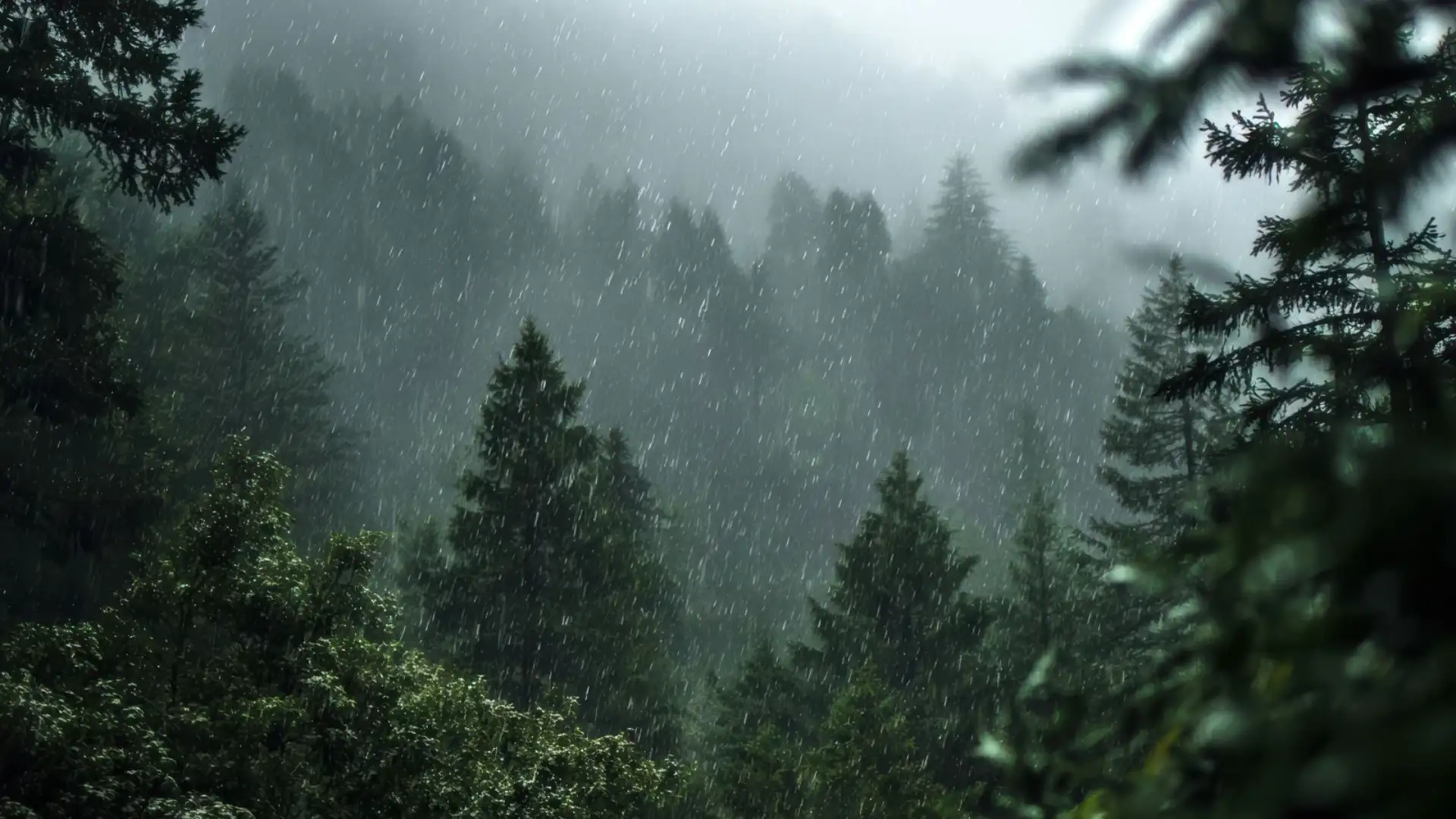
Key Endangered Rainforests Around the Globe
1. The Amazon Rainforest (South America)Spanning nine South American nations, the Amazon is the largest tropical rainforest on Earth. Often called the "lungs of the planet," it faces unprecedented threats from cattle ranching, soy farming, commercial logging, and forest fires, pushing portions of the basin toward a irreversible ecological tip point.
2. The Congo Basin Rainforest (Central Africa)As the world's second-largest rainforest, the Congo Basin is famous for its dense forest canopy and rich fauna, including mountain gorillas and forest elephants. Artisanal charcoal harvesting, industrial logging, and mineral extraction continue to fragment this vast ecosystem.
3. Madagascar Rainforests (East Africa)Isolated for millions of years, Madagascar's rainforests boast an astounding 90 percent endemic species rate, including dozens of lemur species. Severe slash-and-burn agriculture (
) and illegal rosewood logging have reduced the original forest cover to fragile fragments.
4. Sundaland Rainforests (Southeast Asia)Encompassing Malaysia, Indonesia, and surrounding islands, these ancient rainforests are among the most biodiverse on Earth. Rapid expansion of industrial palm oil plantations, pulp production, and urbanization has severely endangered iconic species like orangutans, Sumatran tigers, and rhinos.
5. The Atlantic Forest (Mata Atlântica, South America)Stretching along Brazil's Atlantic coast into Paraguay and Argentina, the Atlantic Forest has lost nearly 85 percent of its original extent due to centuries of agricultural development, coffee farming, and urban expansion around major metropolises.
6. Daintree Rainforest (Australia)Estimated to be over 135 million years old, Queensland's Daintree Rainforest is one of the oldest continuous tropical forests in the world. Encroaching residential development, climate-induced temperature spikes, and invasive species pose ongoing challenges to its delicate food webs.
7. Mesoamerican Rainforests (Central America)Extending from southern Mexico down through Central America, these lush corridor forests protect crucial migratory bird routes and Maya archaeological sites. Cattle ranching, illegal deforestation, and changing rainfall patterns heavily stress the region's forest resilience.
Protecting What Remains
Preserving the world's remaining rainforests requires coordinated international policies, stringent enforcement against illegal land clearing, sustainable supply chain management, and direct support for Indigenous-led conservation initiatives.
Key Endangered Rainforests Around the Globe
1. The Amazon Rainforest (South America)Spanning nine South American nations, the Amazon is the largest tropical rainforest on Earth. Often called the "lungs of the planet," it faces unprecedented threats from cattle ranching, soy farming, commercial logging, and forest fires, pushing portions of the basin toward a irreversible ecological tip point.
2. The Congo Basin Rainforest (Central Africa)As the world's second-largest rainforest, the Congo Basin is famous for its dense forest canopy and rich fauna, including mountain gorillas and forest elephants. Artisanal charcoal harvesting, industrial logging, and mineral extraction continue to fragment this vast ecosystem.
3. Madagascar Rainforests (East Africa)Isolated for millions of years, Madagascar's rainforests boast an astounding 90 percent endemic species rate, including dozens of lemur species. Severe slash-and-burn agriculture (
) and illegal rosewood logging have reduced the original forest cover to fragile fragments.
You may also like
- Kangana Ranaut Celebrates National Handloom Day, Advocates for Indian Textile Heritage
- Preparations Underway to Impose New Levy on LPG Cylinders; Costs Likely to Rise
- Building a Healthy Workforce through Reproductive Healthcare Benefits
- Train News: 3AC, Sleeper, or Chair Car? Which is best for a long train journey?
- Deposit money just once in this Post Office scheme offering 7.4% interest and receive ₹6,000 every month..
4. Sundaland Rainforests (Southeast Asia)Encompassing Malaysia, Indonesia, and surrounding islands, these ancient rainforests are among the most biodiverse on Earth. Rapid expansion of industrial palm oil plantations, pulp production, and urbanization has severely endangered iconic species like orangutans, Sumatran tigers, and rhinos.
5. The Atlantic Forest (Mata Atlântica, South America)Stretching along Brazil's Atlantic coast into Paraguay and Argentina, the Atlantic Forest has lost nearly 85 percent of its original extent due to centuries of agricultural development, coffee farming, and urban expansion around major metropolises.
6. Daintree Rainforest (Australia)Estimated to be over 135 million years old, Queensland's Daintree Rainforest is one of the oldest continuous tropical forests in the world. Encroaching residential development, climate-induced temperature spikes, and invasive species pose ongoing challenges to its delicate food webs.
7. Mesoamerican Rainforests (Central America)Extending from southern Mexico down through Central America, these lush corridor forests protect crucial migratory bird routes and Maya archaeological sites. Cattle ranching, illegal deforestation, and changing rainfall patterns heavily stress the region's forest resilience.
Protecting What Remains
Preserving the world's remaining rainforests requires coordinated international policies, stringent enforcement against illegal land clearing, sustainable supply chain management, and direct support for Indigenous-led conservation initiatives.






Loving Newspoint? Download the app now
