
7 Vegetarian Foods Packed With Umami Flavour

When people think about rich and savoury flavours, meat is usually the first thing that comes to mind. However, some of the strongest sources of umami actually come from plants. Known as the fifth taste after sweet, sour, salty, and bitter, umami gives food its deep, satisfying flavour that makes meals feel hearty and comforting.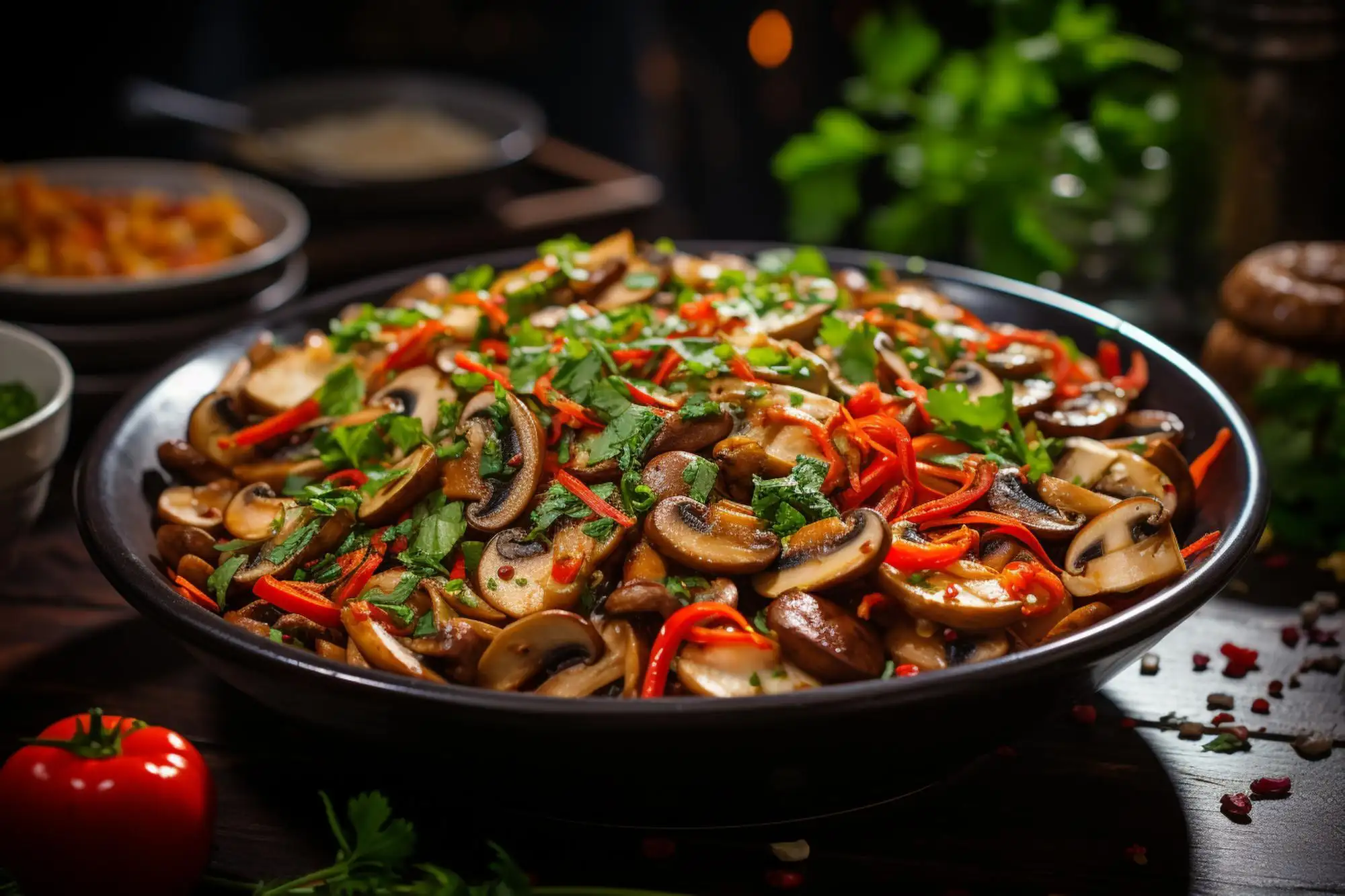
For vegetarians, understanding umami can completely transform cooking. The right ingredients can add depth and complexity without relying on meat or artificial flavour enhancers. From mushrooms to fermented foods , several vegetarian ingredients naturally create powerful savoury flavours.
This is why roasted tomatoes taste richer than raw ones and dried mushrooms have a stronger savoury flavour than fresh varieties.
Also Read: From Khichdi To Millets: Old-School Foods Making A Modern Comeback
Portobello, oyster, and button mushrooms also work brilliantly in soups, stir-fries, pasta, and rice dishes. Roasting mushrooms helps intensify their flavour even more, making them a popular meat substitute in vegetarian cooking.
Sun-dried tomatoes and tomato paste are especially concentrated sources of umami flavour. Adding them to soups, gravies, or pasta dishes instantly creates more depth and richness.
White miso offers a mild taste, while red miso is stronger and more intense. A spoonful of miso can elevate soups, marinades, dressings, and roasted vegetables without requiring extra seasoning.
Even a small amount of soy sauce can improve noodles, rice bowls, stir-fried vegetables, and soups. Many chefs also add it to Western recipes for extra flavour depth.
For vegetarians, understanding umami can completely transform cooking. The right ingredients can add depth and complexity without relying on meat or artificial flavour enhancers. From mushrooms to fermented foods , several vegetarian ingredients naturally create powerful savoury flavours.
What Makes Umami So Special?
Umami comes from naturally occurring compounds such as glutamate and nucleotides found in certain foods. These compounds intensify flavour and make dishes more enjoyable. Cooking methods like roasting, drying, and fermentation can further increase umami taste.This is why roasted tomatoes taste richer than raw ones and dried mushrooms have a stronger savoury flavour than fresh varieties.
Also Read: From Khichdi To Millets: Old-School Foods Making A Modern Comeback
Mushrooms
Mushrooms are one of the best natural sources of umami flavour . Shiitake mushrooms, in particular, are packed with glutamate and guanylate, which create a deep savoury taste.Portobello, oyster, and button mushrooms also work brilliantly in soups, stir-fries, pasta, and rice dishes. Roasting mushrooms helps intensify their flavour even more, making them a popular meat substitute in vegetarian cooking.
Tomatoes
Tomatoes are naturally rich in glutamic acid, especially when fully ripe. Cooking tomatoes slowly increases their savoury flavour, which is why tomato sauces and curries taste richer after simmering.Sun-dried tomatoes and tomato paste are especially concentrated sources of umami flavour. Adding them to soups, gravies, or pasta dishes instantly creates more depth and richness.
Miso
Miso is a fermented soybean paste widely used in Japanese cooking. During fermentation, proteins break down into amino acids, producing its famous savoury flavour.White miso offers a mild taste, while red miso is stronger and more intense. A spoonful of miso can elevate soups, marinades, dressings, and roasted vegetables without requiring extra seasoning.
Soy Sauce
Soy sauce is another fermented ingredient known for its rich umami profile. Produced by fermenting soybeans and wheat, it creates a complex savoury flavour that enhances many dishes.Even a small amount of soy sauce can improve noodles, rice bowls, stir-fried vegetables, and soups. Many chefs also add it to Western recipes for extra flavour depth.