
Why These 4 Villages Paint Every House The Same Colour

Imagine walking into a village where nearly every building, street, and public structure shares the same colour palette. While it may sound unusual, several communities around the world have embraced this concept, creating some of the most visually striking and memorable settlements on the planet.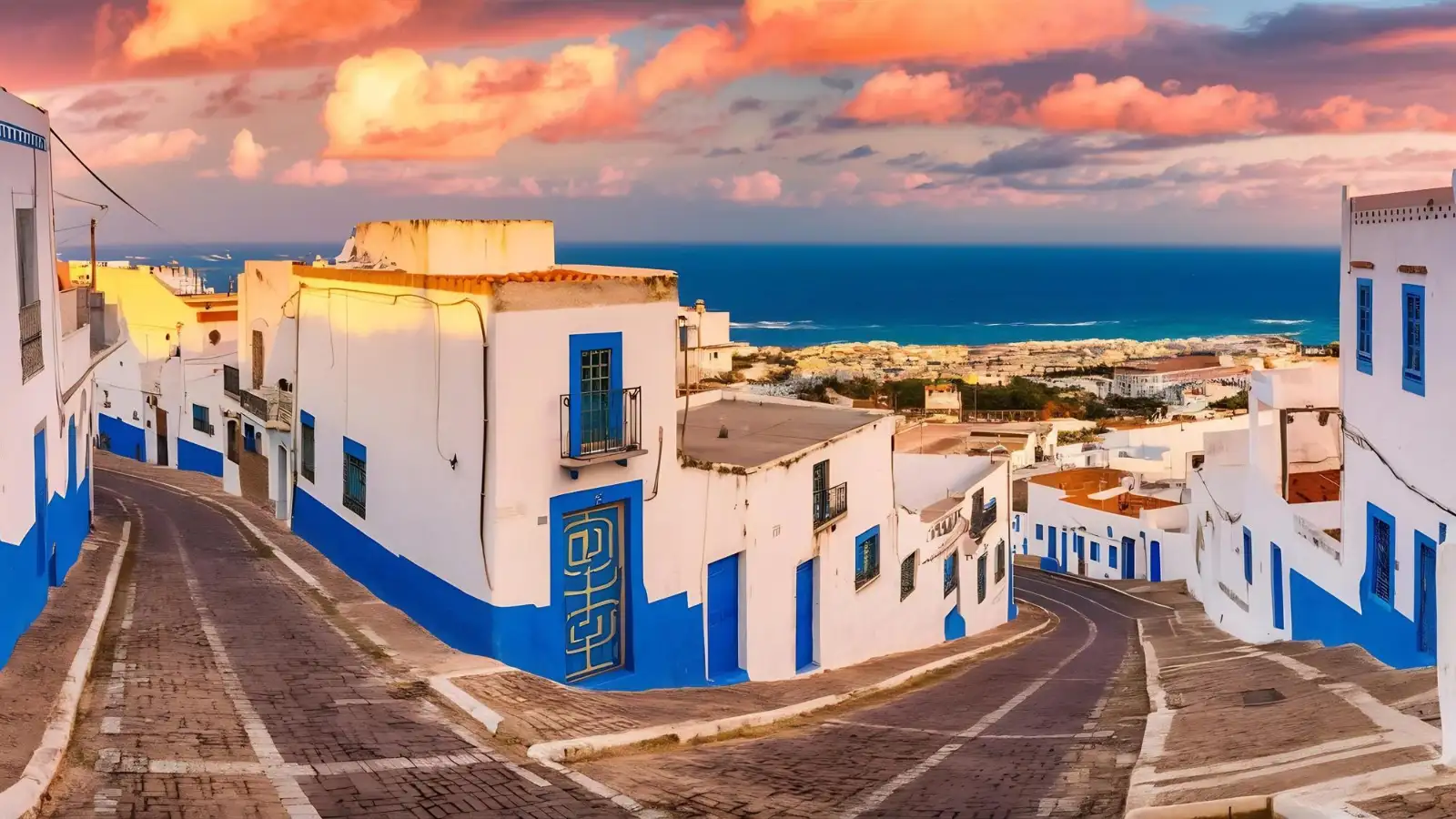
These colourful villages are not just attractive tourist destinations. Their uniform appearance often reflects cultural traditions, community initiatives, historical events, or local identity. Here are four fascinating villages with same colour houses that have become famous for their remarkable visual harmony.
Everything changed in 2011 when Sony Pictures selected the village to promote The Smurfs film. Around 175 buildings, including homes, churches, public offices, and even cemetery structures, were painted bright blue.
The campaign proved so successful that residents voted to keep the colour permanently. Today, the Blue Village Spain attracts thousands of tourists every year and remains one of the most famous colourful villages in Europe.
Also Read: 8 Incredible Colour-Changing Mountains You Need To See
Inspired by the iconic identity of Jaipur, often called the Pink City, villagers painted homes, schools, temples, gates, roads, and public buildings in varying shades of pink.
The initiative helped create a strong village identity and transformed Patidad into one of the most recognisable pink village India destinations.
The village follows a strict architectural colour code, with whitewashed walls complemented by vivid blue doors, shutters, gates, and window frames. This distinctive style has become a protected part of the village's heritage.
Although two colours dominate rather than one, the consistent palette gives Sidi Bou Said a remarkable sense of visual unity, making it one of the most famous travel destinations in North Africa.
As part of the Swachh Bharat Mission, the village launched a pink-paint initiative to encourage sanitation awareness. Reports indicate that all 206 houses were painted pink to symbolise households that had built and regularly used toilets.
The project transformed Nanaksagar into a unique example of how colour can be used to promote positive social change while creating a distinctive community identity.
Among the world's most fascinating unique villages in the world , these destinations show how a shared colour palette can unite a community while creating unforgettable scenery for visitors.
These colourful villages are not just attractive tourist destinations. Their uniform appearance often reflects cultural traditions, community initiatives, historical events, or local identity. Here are four fascinating villages with same colour houses that have become famous for their remarkable visual harmony.
1. Júzcar, Spain – The Blue Village
Nestled in the Andalusian hills, Júzcar was once a traditional white village like many others in southern Spain.Everything changed in 2011 when Sony Pictures selected the village to promote The Smurfs film. Around 175 buildings, including homes, churches, public offices, and even cemetery structures, were painted bright blue.
The campaign proved so successful that residents voted to keep the colour permanently. Today, the Blue Village Spain attracts thousands of tourists every year and remains one of the most famous colourful villages in Europe.
Also Read: 8 Incredible Colour-Changing Mountains You Need To See
2. Patidad, India – The Pink Village
Located near Gondal in Gujarat, Patidad has earned recognition as India's very own Pink Village.Inspired by the iconic identity of Jaipur, often called the Pink City, villagers painted homes, schools, temples, gates, roads, and public buildings in varying shades of pink.
The initiative helped create a strong village identity and transformed Patidad into one of the most recognisable pink village India destinations.
3. Sidi Bou Said, Tunisia – The Blue-and-White Village
Perched on a hill overlooking the Mediterranean Sea, Sidi Bou Said is among the world's most picturesque settlements.The village follows a strict architectural colour code, with whitewashed walls complemented by vivid blue doors, shutters, gates, and window frames. This distinctive style has become a protected part of the village's heritage.
Although two colours dominate rather than one, the consistent palette gives Sidi Bou Said a remarkable sense of visual unity, making it one of the most famous travel destinations in North Africa.
4. Nanaksagar, India – The Pink Sanitation Village
Unlike villages that adopted colour schemes primarily for tourism, Nanaksagar's story is linked to public health and social development.As part of the Swachh Bharat Mission, the village launched a pink-paint initiative to encourage sanitation awareness. Reports indicate that all 206 houses were painted pink to symbolise households that had built and regularly used toilets.
The project transformed Nanaksagar into a unique example of how colour can be used to promote positive social change while creating a distinctive community identity.
Why Do Villages Adopt a Single Colour Theme?
Uniform colour schemes can serve many purposes, including:- Promoting tourism
- Preserving cultural heritage
- Creating a strong local identity
- Supporting community initiatives
- Enhancing visual appeal
Villages That Stand Out Through Colour
Whether it's the blue streets of Júzcar, the pink homes of Patidad and Nanaksagar, or the elegant blue-and-white charm of Sidi Bou Said, these settlements prove that colour can become a powerful symbol of identity.Among the world's most fascinating unique villages in the world , these destinations show how a shared colour palette can unite a community while creating unforgettable scenery for visitors.
Next Story