
Why Warm Lighting Feels More Comfortable Than White Light

Have you ever noticed how a room can influence our mood just by changing the lighting? Instead of sharp white lighting, today’s generation is becoming more drawn to warm-toned lighting. It is not just about how aesthetically pleasing it makes a place look, but also how comfortable it makes people feel.
Many people believe that white lighting is better for their home because it can brighten up a room by providing more light. However, warm lighting has its own way of turning ordinary spaces into something more personal and comforting. It makes your surrounding feel calmer by softening edges and deepening shadows, creating a sense of comfort.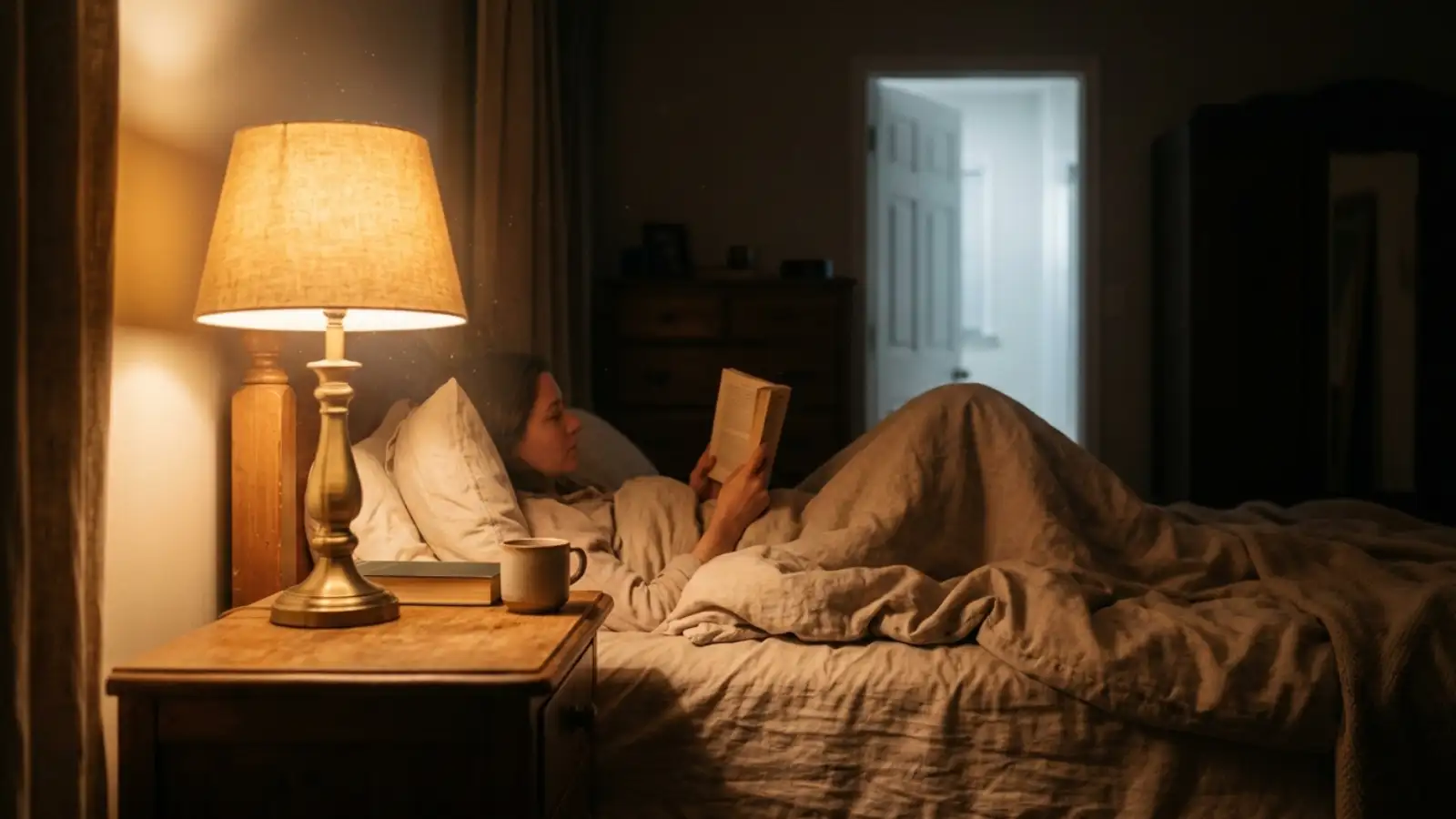
Psychology Behind Warm Light
Warm lights can subtly influence your mind and perception. Studies in colour psychologically suggest that different lightning tones can affect how we feel and respond to our environment. Compared to harsh, bright lighting, warm light creates a sense of calm and comfort because it is easier on the eyes. Light temperature is measured in Kelvin. Lower Kelvin values produce warm, yellowish tones, while higher values create cooler, bluish lights.
Warm lighting closely resembles natural light sources such as sunset or firelight, which humans have been exposed to for centuries. Because of this long association, our brain often associates warm light with safety, relaxation and rest.
From an emotional perspective, it softens visual perception and helps reduce stress, making spaces feel more relaxed and personal.
How It Can Impact Our Mood
Warm light does more than just illuminate our room. It can influence our mood and emotions by creating a calm and inviting atmosphere. It may help reduce cortisol levels as soon as you walk into the room because the low-level lighting sends a message to your brain that there is no immediate threat to respond to.
As a result, you may realise a drop in your physical tension and a slowdown in racing thoughts. Warm lighting can also create feelings of familiarity and nostalgia, as it closely resembles natural and lived-in environments.
You may also observe a subtle impact in your energy levels. Bright lights tend to keep you in a more alert state, while softer tones gently reduce that intensity. Overall, warm lighting can create a sense of psychological warmth, making you more likely to rest, reflect or introspect.
Many people believe that white lighting is better for their home because it can brighten up a room by providing more light. However, warm lighting has its own way of turning ordinary spaces into something more personal and comforting. It makes your surrounding feel calmer by softening edges and deepening shadows, creating a sense of comfort.
Psychology Behind Warm Light
Warm lights can subtly influence your mind and perception. Studies in colour psychologically suggest that different lightning tones can affect how we feel and respond to our environment. Compared to harsh, bright lighting, warm light creates a sense of calm and comfort because it is easier on the eyes. Light temperature is measured in Kelvin. Lower Kelvin values produce warm, yellowish tones, while higher values create cooler, bluish lights.
Warm lighting closely resembles natural light sources such as sunset or firelight, which humans have been exposed to for centuries. Because of this long association, our brain often associates warm light with safety, relaxation and rest.
From an emotional perspective, it softens visual perception and helps reduce stress, making spaces feel more relaxed and personal.
How It Can Impact Our Mood
Warm light does more than just illuminate our room. It can influence our mood and emotions by creating a calm and inviting atmosphere. It may help reduce cortisol levels as soon as you walk into the room because the low-level lighting sends a message to your brain that there is no immediate threat to respond to.
As a result, you may realise a drop in your physical tension and a slowdown in racing thoughts. Warm lighting can also create feelings of familiarity and nostalgia, as it closely resembles natural and lived-in environments.
You may also observe a subtle impact in your energy levels. Bright lights tend to keep you in a more alert state, while softer tones gently reduce that intensity. Overall, warm lighting can create a sense of psychological warmth, making you more likely to rest, reflect or introspect.
Next Story