
Did Draupadi Really Invent Pani Puri? Here's What History Says

Few Indian street food dishes enjoy the popularity of pani puri. Known by different names across the country, this crispy, tangy snack has become a favourite for millions. Yet despite its widespread appeal, the origin of pani puri remains one of India's most debated food mysteries.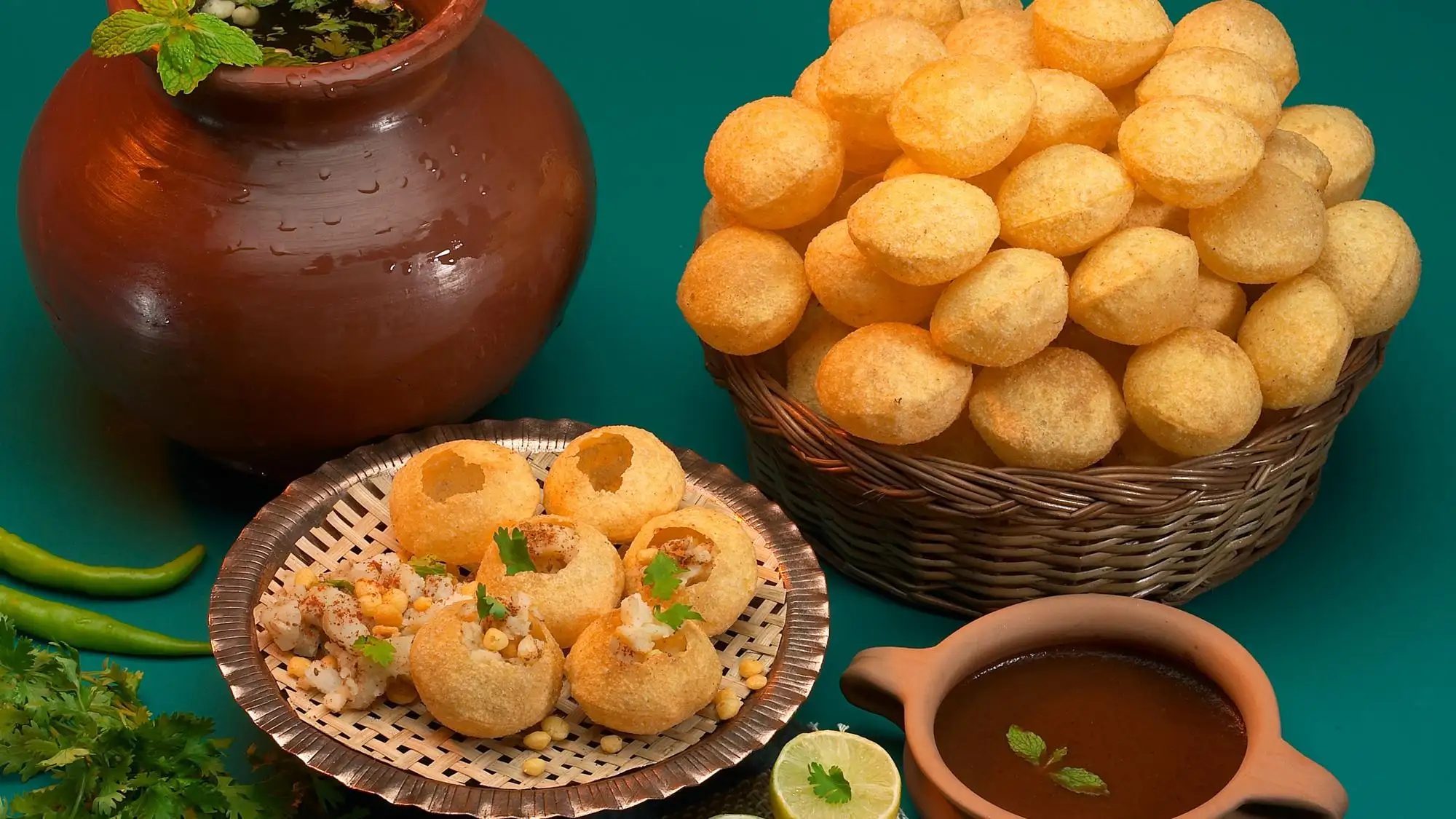
Two stories dominate the conversation. One is a legendary tale linked to the Mahabharata, while the other is rooted in historical accounts from ancient India. Although neither has been conclusively proven, both continue to add to the rich cultural legacy of this much-loved snack.
As the legend goes, Kunti wanted to test the culinary skills and resourcefulness of her newly married daughter-in-law, Draupadi. She reportedly gave her only a small quantity of wheat dough and leftover potato filling, asking her to prepare a meal sufficient for all five Pandava brothers.
Rather than making a single flatbread, Draupadi is believed to have divided the dough into several small portions. She fried each one until it puffed into a hollow shell before filling them with the potato mixture, creating bite-sized snacks that stretched the limited ingredients.
The story further says that Kunti was so impressed by Draupadi's creativity that she blessed the dish to remain cherished for generations.
Although this Draupadi pani puri story has become a popular part of Indian folklore, there is no historical evidence confirming that the event actually took place.
Also Read: Homemade Pani Puri: Easy Street-Style Chaat You Can Make Anytime
Historical references suggest that an early version of the snack, known as phulki, was enjoyed in this region centuries ago. These crisp, hollow shells resembled modern pani puri, although the fillings and flavoured water likely differed from today's recipes.
Unlike the legendary Mahabharata account, however, historical records do not identify a single inventor. Instead, the dish appears to have evolved gradually as regional cuisines developed over time.
For many food historians, this explanation is considered more likely than the legendary account.
Some of the most well-known names include:
Also Read: Puchka vs Golgappa vs Pani Puri: What’s The Real Difference?
Street vendors and restaurants have also introduced modern versions with ingredients such as cheese, chocolate, sprouts, avocado and flavoured waters, keeping this traditional snack relevant for younger generations.
While the tale of Draupadi remains a fascinating legend, historians generally consider ancient Magadha the more probable birthplace of pani puri. However, without definitive historical proof, both stories continue to coexist as part of India's rich culinary heritage.
Whether you call it golgappa, puchka or pani puri, one thing is certain: this iconic snack has become an inseparable part of India's food culture, delighting generations with every crunchy bite.
Two stories dominate the conversation. One is a legendary tale linked to the Mahabharata, while the other is rooted in historical accounts from ancient India. Although neither has been conclusively proven, both continue to add to the rich cultural legacy of this much-loved snack.
The Legend Of Draupadi And Pani Puri
According to popular folklore, the story begins during the exile of the Pandavas in the Mahabharata.As the legend goes, Kunti wanted to test the culinary skills and resourcefulness of her newly married daughter-in-law, Draupadi. She reportedly gave her only a small quantity of wheat dough and leftover potato filling, asking her to prepare a meal sufficient for all five Pandava brothers.
Rather than making a single flatbread, Draupadi is believed to have divided the dough into several small portions. She fried each one until it puffed into a hollow shell before filling them with the potato mixture, creating bite-sized snacks that stretched the limited ingredients.
The story further says that Kunti was so impressed by Draupadi's creativity that she blessed the dish to remain cherished for generations.
Although this Draupadi pani puri story has become a popular part of Indian folklore, there is no historical evidence confirming that the event actually took place.
Also Read: Homemade Pani Puri: Easy Street-Style Chaat You Can Make Anytime
The Historical Theory: Ancient Magadha
Many historians believe the pani puri history may instead begin in the ancient kingdom of Magadha, located in present-day Bihar.Historical references suggest that an early version of the snack, known as phulki, was enjoyed in this region centuries ago. These crisp, hollow shells resembled modern pani puri, although the fillings and flavoured water likely differed from today's recipes.
Unlike the legendary Mahabharata account, however, historical records do not identify a single inventor. Instead, the dish appears to have evolved gradually as regional cuisines developed over time.
For many food historians, this explanation is considered more likely than the legendary account.
One Snack, Many Regional Names
Regardless of its exact origins, pani puri has evolved into numerous regional variations across India.Some of the most well-known names include:
You may also like
- Psychology says people who take short trips every few months are happier, less stressed and more resilient than those who wait for one big annual vacation
- AI Voice Scam: How can AI drain your account using just your voice?
- 20 Amazing Benefits of Rice for Skin and Hair
- 15 Home Remedies to Treat Spots on Face Naturally
- How Long Should Each Breastfeeding Session Last?
- Golgappa in much of North India.
- Puchka in West Bengal and neighbouring regions.
- Gup Chup in Odisha and parts of central India.
- Batashe in several regions of Uttar Pradesh.
- Pani Puri across Maharashtra, Gujarat and many western states.
Also Read: Puchka vs Golgappa vs Pani Puri: What’s The Real Difference?
Why Pani Puri Remains So Popular
The enduring appeal of pani puri lies in its perfect balance of textures and flavours. The crisp shell, spicy water, tangy chutneys and flavourful filling create a combination that appeals to nearly every palate.Street vendors and restaurants have also introduced modern versions with ingredients such as cheese, chocolate, sprouts, avocado and flavoured waters, keeping this traditional snack relevant for younger generations.
Myth Or History?
So, was Mahabharata food responsible for creating one of India's favourite snacks?While the tale of Draupadi remains a fascinating legend, historians generally consider ancient Magadha the more probable birthplace of pani puri. However, without definitive historical proof, both stories continue to coexist as part of India's rich culinary heritage.
Whether you call it golgappa, puchka or pani puri, one thing is certain: this iconic snack has become an inseparable part of India's food culture, delighting generations with every crunchy bite.






Loving Newspoint? Download the app now
