
Watch: Swim With Thousands Of Jellyfish At This Stunning Island Lake

Swimming with jellyfish might sound like an adventure reserved for the bravest travellers, but on Eil Malk Island in Palau, it has become one of the world's most fascinating wildlife experiences. Nestled among the spectacular Rock Islands , the famous Jellyfish Lake welcomes visitors to snorkel alongside thousands of golden jellyfish in a breathtaking natural setting.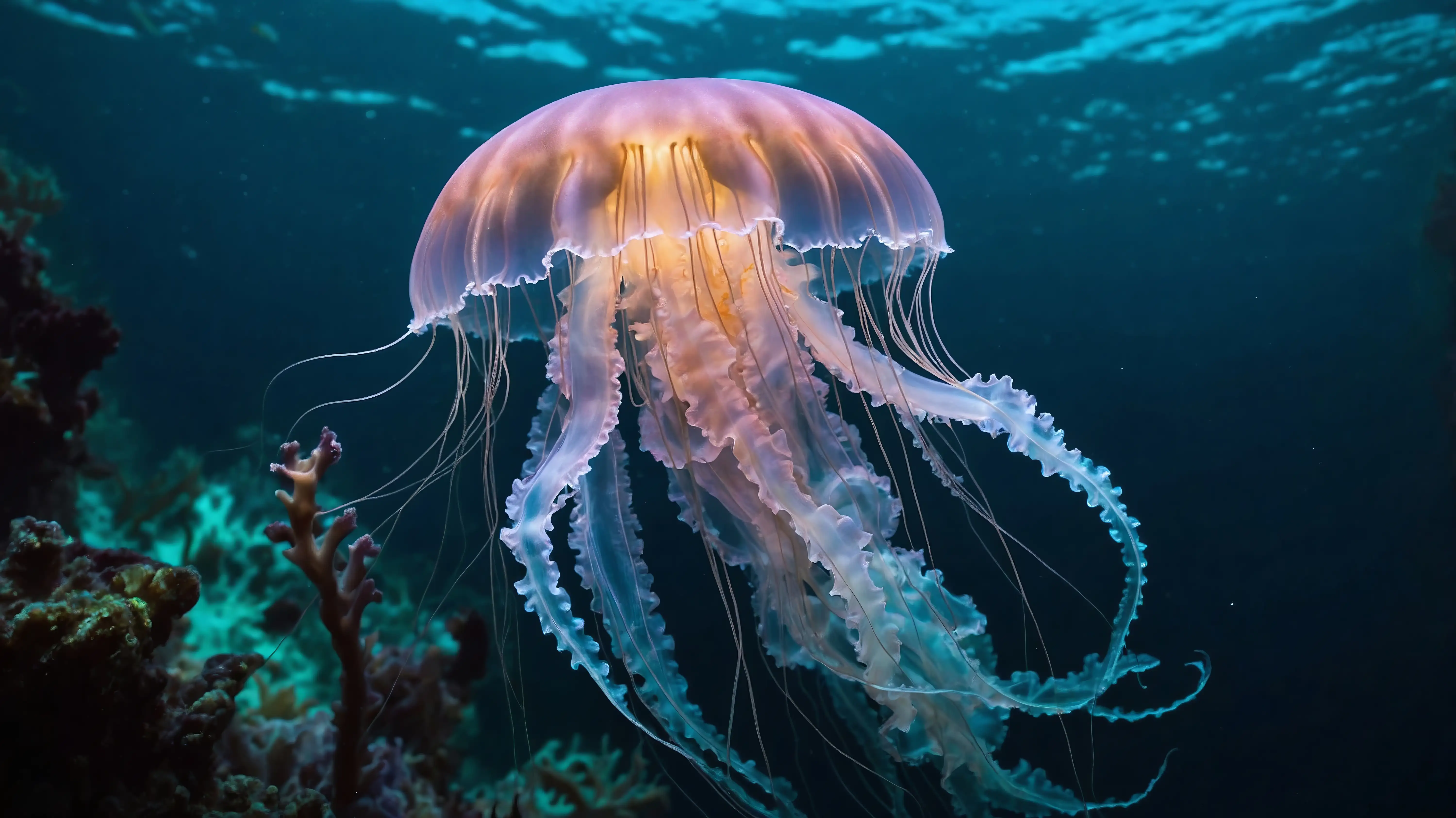
Surrounded by turquoise waters, towering limestone cliffs and lush tropical landscapes, this secluded marine lake offers an experience unlike anywhere else on Earth. For anyone seeking unique travel destinations , Jellyfish Lake deserves a place on the bucket list.
Unlike jellyfish found in oceans around the world, the golden jellyfish inhabiting this lake have evolved in complete isolation over thousands of years. With very few natural predators in their environment, their sting has become extremely mild, allowing most healthy visitors to safely snorkel among them.
This rare ecosystem has made Palau travel increasingly popular with nature enthusiasts, marine life lovers and photographers.
Also Read: What To Do If A Jellyfish Stings You: First Aid Guide
Here are a few fascinating facts:
Surrounded by turquoise waters, towering limestone cliffs and lush tropical landscapes, this secluded marine lake offers an experience unlike anywhere else on Earth. For anyone seeking unique travel destinations , Jellyfish Lake deserves a place on the bucket list.
The Natural Wonder of Jellyfish Lake
Located on the uninhabited Eil Malk Island, Jellyfish Lake, locally known as Ongeim'l Tketau, is one of Palau's most remarkable natural attractions.Unlike jellyfish found in oceans around the world, the golden jellyfish inhabiting this lake have evolved in complete isolation over thousands of years. With very few natural predators in their environment, their sting has become extremely mild, allowing most healthy visitors to safely snorkel among them.
This rare ecosystem has made Palau travel increasingly popular with nature enthusiasts, marine life lovers and photographers.
Also Read: What To Do If A Jellyfish Stings You: First Aid Guide
Why Is It Safe to Swim With the Jellyfish?
The golden jellyfish found in Jellyfish Lake are very different from their ocean-dwelling relatives.Here are a few fascinating facts:
- Their sting is extremely mild and is generally harmless for most healthy swimmers.
- The lake is completely separated from the open ocean.
- Every day, the jellyfish migrate across the lake, following the movement of the sun.
- Visitors are allowed to snorkel among the jellyfish, creating an unforgettable wildlife encounter.
- Scuba diving is prohibited to protect the fragile ecosystem.
Next Story