
What Happens Inside a Cloud During a Thunderstorm? The Science Explained

A thunderstorm can look deceptively simple from the ground. Dark clouds gather, the wind changes, rain begins to fall and suddenly the sky flashes with lightning. But inside that enormous cloud, an astonishing chain of events is taking place. Powerful air currents are carrying water droplets and ice particles up and down through the atmosphere, while collisions help separate electrical charges. As the storm grows, some clouds can rise more than 10 kilometres into the sky. What looks like a dark patch above your neighbourhood is actually a rapidly developing atmospheric system, constantly moving heat, moisture and energy.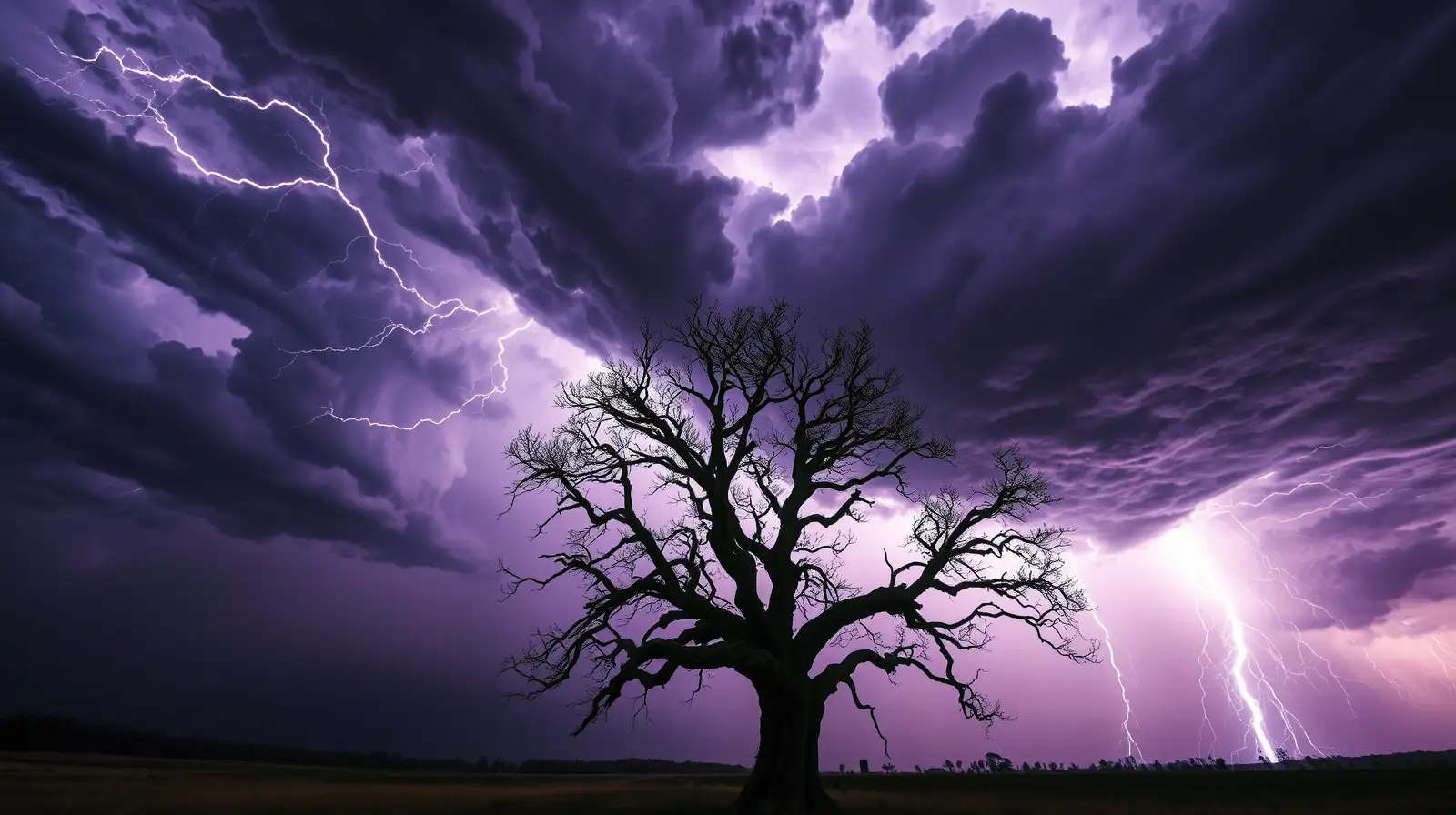
As this air climbs, it expands and cools. Water vapour then condenses into tiny droplets, forming a towering cumulonimbus cloud.
Condensation releases heat, which can make the rising air warmer than its surroundings. This encourages the air to continue rising, helping the cloud grow taller.
The stronger the updraft, the more moisture can be carried high into the cloud.
Updrafts carry warm air, water droplets and ice particles upwards. Higher in the cloud, temperatures become extremely cold, allowing ice crystals, snow-like particles and supercooled water droplets to coexist.
Eventually, some particles become too heavy for the updraft to support. They begin falling, creating downdrafts that bring cooler air towards the ground.
This constant movement helps organise the storm and can produce intense rainfall.
Within the storm, ice crystals and larger frozen particles repeatedly collide. These collisions can cause electrical charges to become separated, with different regions of the cloud becoming positively or negatively charged.
When the electrical difference becomes large enough, the atmosphere can no longer effectively insulate the charges. A massive electrical discharge occurs.
That bright flash is lightning.
Thunder follows because lightning heats the surrounding air extremely rapidly. The air expands explosively, producing the sound wave we hear as thunder.
A small ice particle may be carried upwards into areas containing supercooled water droplets. When those droplets freeze onto the particle, it becomes larger.
If the updraft is strong enough, the growing hailstone can remain suspended and accumulate more layers of ice. Eventually, it becomes too heavy and falls towards the ground.
The largest hailstones therefore tend to develop in storms with exceptionally powerful updrafts.
Rain may intensify temporarily before the storm weakens.
Yet the cloud may still leave behind strong winds, heavy rain or lightning even as its main updraft begins to disappear.
Inside it, invisible processes involving heat, pressure, water and electricity create some of nature's most dramatic sights.
The next time lightning illuminates a dark cloud, it is worth remembering that the flash is only the visible part of an enormous system operating kilometres above the ground.
Warm Air Starts The Process
Most thunderstorms begin when warm, moist air rises rapidly.As this air climbs, it expands and cools. Water vapour then condenses into tiny droplets, forming a towering cumulonimbus cloud.
Condensation releases heat, which can make the rising air warmer than its surroundings. This encourages the air to continue rising, helping the cloud grow taller.
The stronger the updraft, the more moisture can be carried high into the cloud.
Inside The Cloud, Everything Is Moving
A mature thunderstorm is not a calm mass of water. It contains powerful updrafts and downdrafts.Updrafts carry warm air, water droplets and ice particles upwards. Higher in the cloud, temperatures become extremely cold, allowing ice crystals, snow-like particles and supercooled water droplets to coexist.
Eventually, some particles become too heavy for the updraft to support. They begin falling, creating downdrafts that bring cooler air towards the ground.
This constant movement helps organise the storm and can produce intense rainfall.
How Lightning Forms
Lightning is one of the most dramatic results of these interactions.Within the storm, ice crystals and larger frozen particles repeatedly collide. These collisions can cause electrical charges to become separated, with different regions of the cloud becoming positively or negatively charged.
When the electrical difference becomes large enough, the atmosphere can no longer effectively insulate the charges. A massive electrical discharge occurs.
That bright flash is lightning.
Thunder follows because lightning heats the surrounding air extremely rapidly. The air expands explosively, producing the sound wave we hear as thunder.
Why Some Storms Produce Hail
Strong updrafts can also help create hail.A small ice particle may be carried upwards into areas containing supercooled water droplets. When those droplets freeze onto the particle, it becomes larger.
If the updraft is strong enough, the growing hailstone can remain suspended and accumulate more layers of ice. Eventually, it becomes too heavy and falls towards the ground.
The largest hailstones therefore tend to develop in storms with exceptionally powerful updrafts.
When A Storm Begins To Collapse
A thunderstorm cannot continue growing indefinitely. Eventually, downdrafts spread through the cloud and cut off the supply of warm, moist air that was feeding the storm.Rain may intensify temporarily before the storm weakens.
Yet the cloud may still leave behind strong winds, heavy rain or lightning even as its main updraft begins to disappear.
The Sky Is A Giant Engine
A thunderstorm is essentially a powerful atmospheric engine driven by warm, moist air.Inside it, invisible processes involving heat, pressure, water and electricity create some of nature's most dramatic sights.
The next time lightning illuminates a dark cloud, it is worth remembering that the flash is only the visible part of an enormous system operating kilometres above the ground.






Loving Newspoint? Download the app now
