
What Happens to Retired Indian Railways Trains? Inside Their Second Life Beyond Tracks

Millions of people travel on Indian Railways trains every day, but very few stop to think about what happens when these massive coaches and locomotives grow old. The story of retired Indian Railways trains is far more fascinating than simply being abandoned in scrap yards. From transporting goods to recycling valuable metals, these trains continue serving the nation long after their passenger duties end.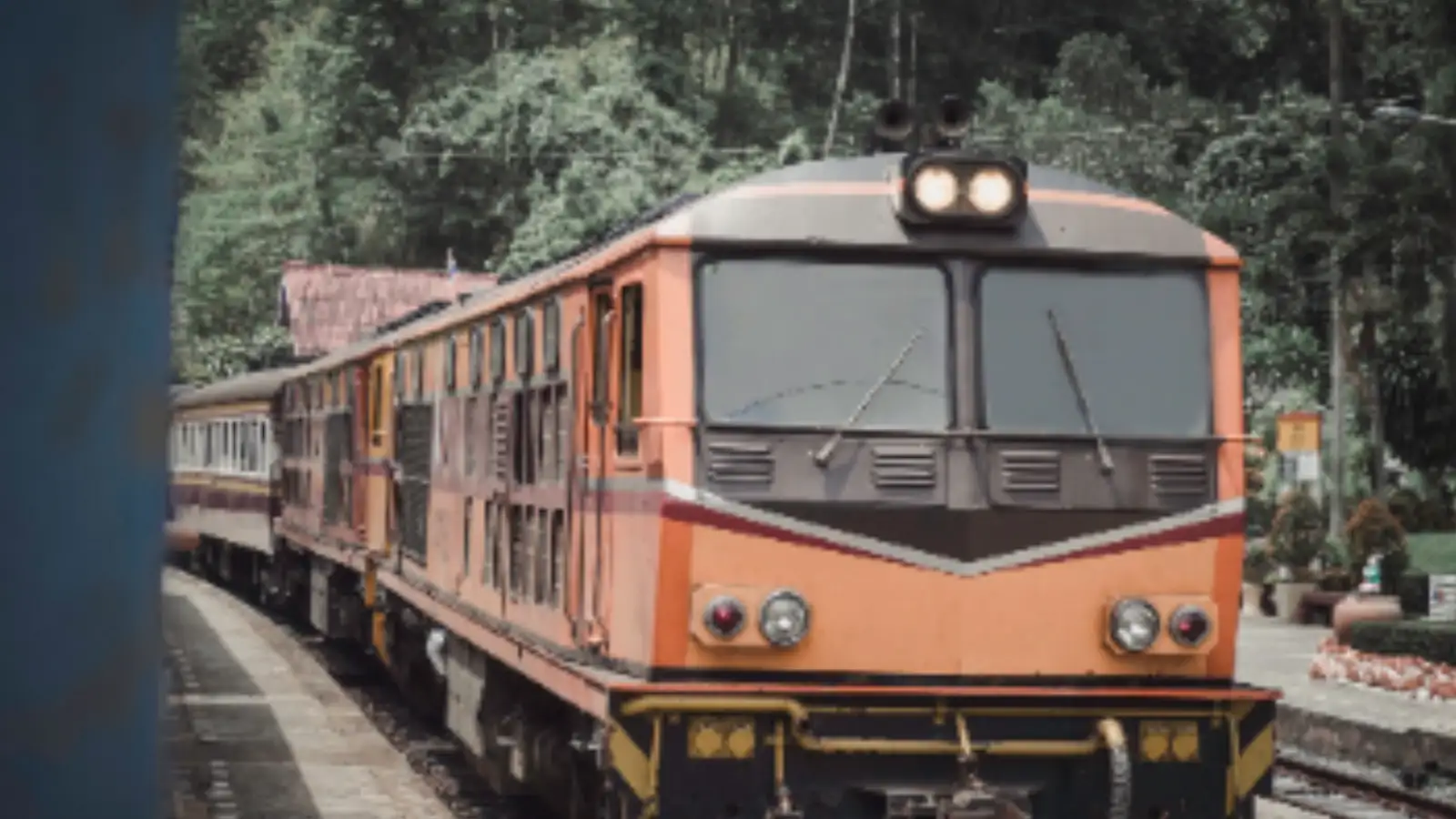
Indian Railways, one of the world’s largest rail networks, follows a carefully planned system to retire, reuse, and recycle ageing coaches and engines. Every train component is utilised to its fullest potential before reaching the end of its lifecycle.
Every Train Has a Fixed Lifespan
Just like cars and aircraft, railway coaches and engines are built to operate for a limited period. Traditional ICF (Integral Coach Factory) coaches usually remain in service for around 25 to 30 years. Meanwhile, the more advanced LHB (Linke Hofmann Busch) coaches are designed to last up to 35 years due to their superior technology and safer structure.
However, retirement is not based on age alone. Coaches are withdrawn from active service if maintenance becomes too expensive, spare parts become difficult to source, or safety standards can no longer be maintained. Indian Railways regularly evaluates the condition of its rolling stock to ensure passenger safety and operational efficiency.
Old Passenger Coaches Get a New Role
Many retired passenger coaches are not immediately scrapped. Instead, Indian Railways often converts them into New Modified Goods (NMG) carriers. These refurbished coaches are redesigned to transport automobiles, tractors, and lightweight commercial vehicles across the country.
To prepare them for cargo operations, railway engineers remove passenger fittings such as seats, fans, lights, and windows. The coach body is then strengthened to handle freight loads. These modified wagons can continue operating for another five to ten years, giving old coaches an entirely new purpose.
Indian Railways Is Rapidly Moving Towards Electrification
Over the past few years, Indian Railways has aggressively modernised its network. Under initiatives like Mission Zero Scrap and nationwide electrification drives, thousands of ageing diesel locomotives and outdated coaches have been phased out.
Between 2020 and 2024, Indian Railways retired a large number of old diesel engines, coaches, and freight wagons to make way for faster, cleaner, and more energy-efficient electric trains. This transformation has not only improved operational efficiency but also reduced maintenance costs and environmental impact.
What Happens During the Scrapping Process?
When a train or coach becomes completely unusable, it enters the scrapping stage. This is a highly organised process where every material is carefully separated and recovered.
Workers dismantle coaches section by section, extracting steel, iron, copper, aluminium, and brass for recycling. Valuable equipment such as batteries, air-conditioning systems, electrical fittings, and lighting components are also removed and either reused or processed separately.
The recovered metal eventually returns to the manufacturing cycle, where it can be used to build new railway infrastructure and equipment.
A Journey That Continues Even After Retirement
The life of an Indian Railways train does not truly end when it stops carrying passengers. From serving as freight carriers to becoming a source of recyclable materials, retired trains continue contributing to the economy in multiple ways.
These ageing steel giants are a reminder that Indian Railways operates on a philosophy of maximum utilisation and sustainability. Even after decades of service on crowded railway tracks, every coach and locomotive continues to play a role until its final piece is repurposed.
Indian Railways, one of the world’s largest rail networks, follows a carefully planned system to retire, reuse, and recycle ageing coaches and engines. Every train component is utilised to its fullest potential before reaching the end of its lifecycle.
Every Train Has a Fixed Lifespan
Just like cars and aircraft, railway coaches and engines are built to operate for a limited period. Traditional ICF (Integral Coach Factory) coaches usually remain in service for around 25 to 30 years. Meanwhile, the more advanced LHB (Linke Hofmann Busch) coaches are designed to last up to 35 years due to their superior technology and safer structure.
However, retirement is not based on age alone. Coaches are withdrawn from active service if maintenance becomes too expensive, spare parts become difficult to source, or safety standards can no longer be maintained. Indian Railways regularly evaluates the condition of its rolling stock to ensure passenger safety and operational efficiency.
Old Passenger Coaches Get a New Role
Many retired passenger coaches are not immediately scrapped. Instead, Indian Railways often converts them into New Modified Goods (NMG) carriers. These refurbished coaches are redesigned to transport automobiles, tractors, and lightweight commercial vehicles across the country.
You may also like
- 8th Pay Commission: Maharashtra Pension Body Demands ₹65,000 Minimum Salary and Higher Fitment Factor
- Polish woman shocked by what she says after living in Bengaluru for 10 months
- 6 Bhagavad Gita Shlokas To Heal The Fear Of Abandonment
- Quote of the day by Jane Austen: “Friendship is certainly the finest balm for the pangs of disappointed love.”
- Why more young people are rejecting performative dating
To prepare them for cargo operations, railway engineers remove passenger fittings such as seats, fans, lights, and windows. The coach body is then strengthened to handle freight loads. These modified wagons can continue operating for another five to ten years, giving old coaches an entirely new purpose.
Indian Railways Is Rapidly Moving Towards Electrification
Over the past few years, Indian Railways has aggressively modernised its network. Under initiatives like Mission Zero Scrap and nationwide electrification drives, thousands of ageing diesel locomotives and outdated coaches have been phased out.
Between 2020 and 2024, Indian Railways retired a large number of old diesel engines, coaches, and freight wagons to make way for faster, cleaner, and more energy-efficient electric trains. This transformation has not only improved operational efficiency but also reduced maintenance costs and environmental impact.
What Happens During the Scrapping Process?
When a train or coach becomes completely unusable, it enters the scrapping stage. This is a highly organised process where every material is carefully separated and recovered.
Workers dismantle coaches section by section, extracting steel, iron, copper, aluminium, and brass for recycling. Valuable equipment such as batteries, air-conditioning systems, electrical fittings, and lighting components are also removed and either reused or processed separately.
The recovered metal eventually returns to the manufacturing cycle, where it can be used to build new railway infrastructure and equipment.
A Journey That Continues Even After Retirement
The life of an Indian Railways train does not truly end when it stops carrying passengers. From serving as freight carriers to becoming a source of recyclable materials, retired trains continue contributing to the economy in multiple ways.
These ageing steel giants are a reminder that Indian Railways operates on a philosophy of maximum utilisation and sustainability. Even after decades of service on crowded railway tracks, every coach and locomotive continues to play a role until its final piece is repurposed.






More from our partners


Loving Newspoint? Download the app now
