
What Happens to Your Body If You Eat Protein Bars Every Day?

Protein bars have become one of the most popular high protein snacks for people with busy lifestyles. Whether you're heading to the gym, travelling or trying to avoid unhealthy snacks, grabbing a protein bar can seem like a smart choice. Labels boasting "20g Protein!" and "Low Carbs!" make them even more appealing.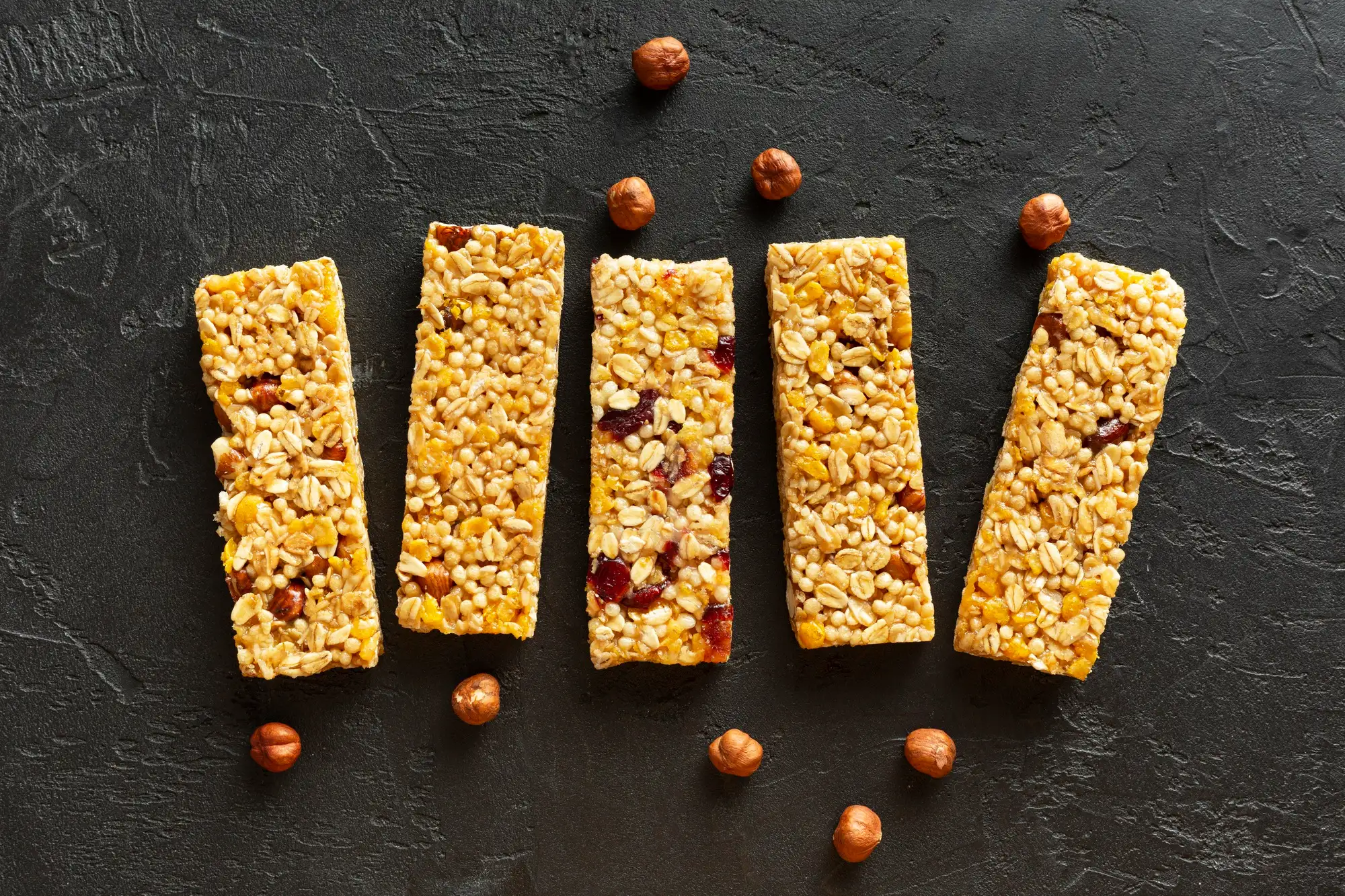
While protein bar benefits include improved satiety and muscle support, eating protein bars every day is not always as healthy as it appears. Whole food sources of protein still provide a wider range of nutrients, and relying heavily on processed bars may affect your body in several ways.
Here's a closer look at what can happen when eating protein bars daily becomes a regular habit.
If your bar contains quality protein sources such as whey protein isolate or pea protein, it can help reduce cravings between meals and keep you satisfied until your next meal. This can be particularly useful for people with demanding schedules or those trying to manage portion sizes.
Also Read: Foods That Help Maintain a Healthy Liver Naturally
To keep sugar content low while maintaining sweetness, manufacturers often use sugar alcohols such as sorbitol, mannitol and maltitol, along with added fibres like chicory root or inulin.
These ingredients are not fully absorbed during digestion. Instead, they reach the large intestine, where gut bacteria ferment them. This process may lead to bloating, gas and abdominal discomfort, especially if consumed frequently or in large quantities.
If you regularly experience digestive issues after eating protein bars, checking the ingredient list for sweeteners ending in "tol" may be helpful.
However, they should complement a balanced diet rather than replace nutritious meals. Whole foods such as eggs, Greek yoghurt, paneer, pulses and lean meats provide additional vitamins, minerals and healthy fats that packaged bars often lack.
If you eat protein bars regularly, maintaining adequate hydration throughout the day becomes even more important for healthy digestion.
Some bars contain between 300 and 400 calories, making them comparable to a small meal. If a protein bar is eaten in addition to regular meals instead of replacing one, the extra calories can gradually accumulate.
Over time, this increase in daily calorie intake may contribute to weight gain, particularly if overall energy expenditure remains unchanged.
Also Read: Foods That Help Maintain a Healthy Liver Naturally
Look for:
Building your diet around natural protein sources remains the most effective way to support overall health, maintain gut health , manage weight and meet your nutritional needs.
Disclaimer: This article is intended for general informational purposes only and should not be considered medical or nutritional advice. Individual dietary needs may vary. We at NewsPoint are not responsible for any decisions made based on this information. Always consult a qualified doctor or registered dietitian before making significant dietary changes.
While protein bar benefits include improved satiety and muscle support, eating protein bars every day is not always as healthy as it appears. Whole food sources of protein still provide a wider range of nutrients, and relying heavily on processed bars may affect your body in several ways.
Here's a closer look at what can happen when eating protein bars daily becomes a regular habit.
1. You May Feel Fuller for Longer
One of the biggest protein bar benefits is their ability to reduce hunger. Protein helps lower the levels of the hunger hormone ghrelin while increasing hormones that promote feelings of fullness.If your bar contains quality protein sources such as whey protein isolate or pea protein, it can help reduce cravings between meals and keep you satisfied until your next meal. This can be particularly useful for people with demanding schedules or those trying to manage portion sizes.
Also Read: Foods That Help Maintain a Healthy Liver Naturally
2. Your Digestive System May React
Despite their convenience, many healthy protein bars contain ingredients that may not suit everyone's digestive system.To keep sugar content low while maintaining sweetness, manufacturers often use sugar alcohols such as sorbitol, mannitol and maltitol, along with added fibres like chicory root or inulin.
These ingredients are not fully absorbed during digestion. Instead, they reach the large intestine, where gut bacteria ferment them. This process may lead to bloating, gas and abdominal discomfort, especially if consumed frequently or in large quantities.
If you regularly experience digestive issues after eating protein bars, checking the ingredient list for sweeteners ending in "tol" may be helpful.
3. They Can Support Muscle Recovery
Protein plays an important role in repairing muscles and maintaining healthy body tissues. For people who exercise regularly, protein bars can provide a convenient post-workout option when whole food isn't immediately available.However, they should complement a balanced diet rather than replace nutritious meals. Whole foods such as eggs, Greek yoghurt, paneer, pulses and lean meats provide additional vitamins, minerals and healthy fats that packaged bars often lack.
4. Hydration Becomes More Important
Many high protein snacks are also rich in added fibre. While fibre supports digestive health, consuming large amounts without drinking enough water may contribute to constipation or digestive discomfort.If you eat protein bars regularly, maintaining adequate hydration throughout the day becomes even more important for healthy digestion.
You may also like
- Chinese proverb of the day: "When you have only two pennies left in the world, buy a…" - powerful lesson about bread, beauty and a meaningful life
- Which season offers the best start for installing solar panels? Find out the perfect time.
- He had 20 backlogs, lost his father, missed his dream job: At 29, the future pilot is finally learning to fly
- Google and Facebook Account Settings: What happens to your accounts after you're gone? Set up your digital will today.
- UPI Tax: Tax to be levied on digital payments above ₹2,000; government preparing new rules
5. Hidden Calories May Lead to Weight Gain
Many people consider protein bars to be light snacks, but appearances can be misleading.Some bars contain between 300 and 400 calories, making them comparable to a small meal. If a protein bar is eaten in addition to regular meals instead of replacing one, the extra calories can gradually accumulate.
Over time, this increase in daily calorie intake may contribute to weight gain, particularly if overall energy expenditure remains unchanged.
Also Read: Foods That Help Maintain a Healthy Liver Naturally
How to Choose Healthy Protein Bars
Not all protein bars are created equal. Before buying one, pay attention to the nutrition label.Look for:
- High-quality protein sources such as whey or pea protein
- Moderate calorie content
- Lower amounts of added sugar
- Minimal artificial sweeteners
- Simple ingredient lists with recognisable ingredients
- Fibre in moderate amounts
- A balanced mix of protein, healthy fats and carbohydrates
Protein Bars Should Complement, Not Replace Whole Foods
Protein bars are useful when you're travelling, working long hours or unable to prepare a balanced meal. However, they are best viewed as a convenient backup rather than a daily replacement for nutritious whole foods.Building your diet around natural protein sources remains the most effective way to support overall health, maintain gut health , manage weight and meet your nutritional needs.
Disclaimer: This article is intended for general informational purposes only and should not be considered medical or nutritional advice. Individual dietary needs may vary. We at NewsPoint are not responsible for any decisions made based on this information. Always consult a qualified doctor or registered dietitian before making significant dietary changes.






Loving Newspoint? Download the app now
