
What to Drink During the Rainy Season to Stay Healthy and Hydrated

When the weather turns cool and rainy, many people naturally drink less water than they do during summer. Since sweating is reduced, it is easy to assume that the body needs less fluid. However, hydration remains just as important during the monsoon. Water supports digestion, helps regulate body temperature, transports nutrients and keeps every cell functioning properly. At the same time, the rainy season brings an increased risk of waterborne diseases , making the quality of what you drink just as important as the quantity. Choosing safe, nutritious beverages can help you stay hydrated, energised and healthy throughout the season.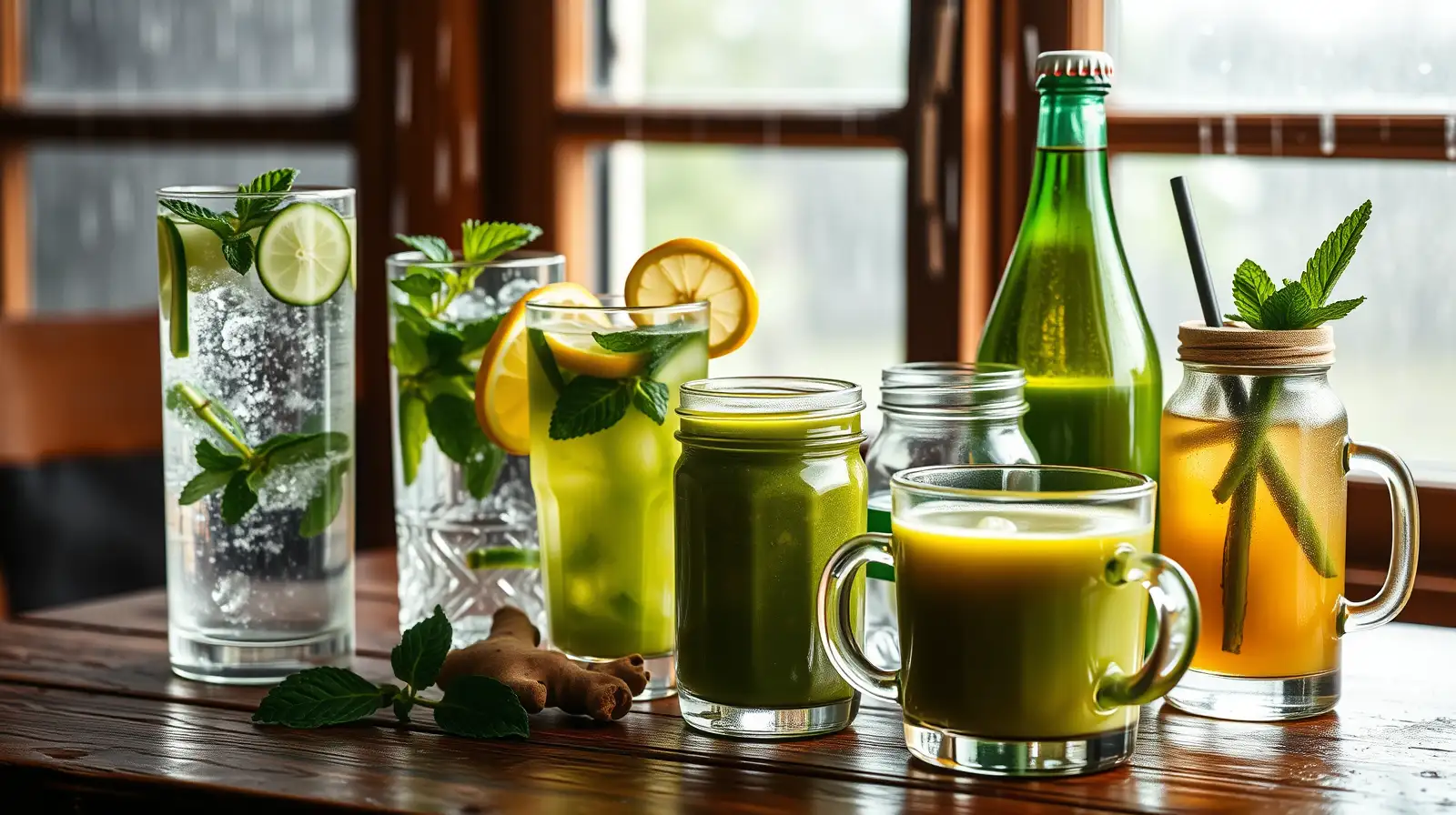
Dehydration may lead to tiredness, headaches, poor concentration and reduced physical performance. Many people mistake these symptoms for general fatigue when the real issue is inadequate fluid intake.
Drinking enough safe fluids throughout the day helps maintain healthy digestion and supports overall well-being.
Coconut water is another excellent option. It naturally contains electrolytes such as potassium, making it a refreshing drink for maintaining fluid balance. Choose fresh coconut water from hygienic sources whenever possible.
Lemon water prepared with safe drinking water provides hydration along with a refreshing taste. It can be enjoyed without excessive sugar to keep it a healthier choice.
Herbal teas made with ginger, tulsi, cinnamon or peppermint are popular during monsoon because they provide warmth while encouraging regular fluid intake.
Light vegetable soups also contribute to hydration while supplying vitamins, minerals and dietary fibre.
While tea and coffee contribute to daily fluid intake, excessive caffeine may not be suitable for everyone. Enjoying these drinks in moderation is generally a sensible approach.
It is also advisable to avoid beverages prepared with untreated water or ice from unreliable sources, as they may increase the risk of stomach infections during the rainy season.
Another interesting fact is that many foods, including cucumbers, tomatoes, oranges and soups, also contribute to your daily fluid intake.
The colour of your urine can provide a simple indication of hydration. Pale yellow usually suggests adequate hydration, while darker urine may indicate the need for more fluids, although certain medicines and foods can also affect colour.
Begin your morning with a glass of clean water and include hydrating beverages with meals. If you are physically active, pay extra attention to replacing fluids even when the weather feels cool.
Most importantly, ensure that all drinking water comes from a safe and reliable source, particularly during periods of heavy rainfall.
Developing healthy drinking habits not only supports digestion and energy levels but also encourages better overall health. Choosing safe beverages and maintaining proper hydration can make a noticeable difference throughout the rainy season.
Why Hydration Still Matters During Monsoon
Although the body loses less water through sweat during rainy weather, it continues to lose fluids through breathing, digestion and normal daily activities. If you do not replace these fluids, mild dehydration can develop without obvious warning signs.Dehydration may lead to tiredness, headaches, poor concentration and reduced physical performance. Many people mistake these symptoms for general fatigue when the real issue is inadequate fluid intake.
Drinking enough safe fluids throughout the day helps maintain healthy digestion and supports overall well-being.
The Best Drinks for the Rainy Season
Plain water remains the healthiest choice for staying hydrated. Always drink clean, filtered or boiled water to reduce the risk of waterborne infections, which are more common during monsoon.Coconut water is another excellent option. It naturally contains electrolytes such as potassium, making it a refreshing drink for maintaining fluid balance. Choose fresh coconut water from hygienic sources whenever possible.
Lemon water prepared with safe drinking water provides hydration along with a refreshing taste. It can be enjoyed without excessive sugar to keep it a healthier choice.
Herbal teas made with ginger, tulsi, cinnamon or peppermint are popular during monsoon because they provide warmth while encouraging regular fluid intake.
Light vegetable soups also contribute to hydration while supplying vitamins, minerals and dietary fibre.
Drinks You Should Limit
Some beverages can have the opposite effect if consumed in excess. Sugary soft drinks and packaged fruit beverages often contain high amounts of added sugar with little nutritional value.While tea and coffee contribute to daily fluid intake, excessive caffeine may not be suitable for everyone. Enjoying these drinks in moderation is generally a sensible approach.
It is also advisable to avoid beverages prepared with untreated water or ice from unreliable sources, as they may increase the risk of stomach infections during the rainy season.
Lesser-Known Facts About Staying Hydrated
Many people believe thirst is the first sign of dehydration, but by the time you feel thirsty, your body may already need more fluids. Drinking water regularly throughout the day is more effective than waiting until you feel thirsty.Another interesting fact is that many foods, including cucumbers, tomatoes, oranges and soups, also contribute to your daily fluid intake.
You may also like
- EPFO: Mutual Fund or PF? EPFO reveals which is the more beneficial choice..
- Big relief for central government employees! Now, the CGHS pensioner card can be generated in a jiffy via the 'Bhavishya' portal..
- ISRO Offers Internship Opportunities to Students; Find Out Who Can Apply
- Made a mistake while filing your ITR? The Income Tax Department offers a second chance to rectify errors; here is the process..
- Chanakya Niti: These four things are more important than position and prestige, Chanakya had told the mantra of a happy life
The colour of your urine can provide a simple indication of hydration. Pale yellow usually suggests adequate hydration, while darker urine may indicate the need for more fluids, although certain medicines and foods can also affect colour.
Everyday Habits That Improve Hydration
Carry a reusable water bottle whenever you leave home and take small sips throughout the day instead of drinking large amounts all at once.Begin your morning with a glass of clean water and include hydrating beverages with meals. If you are physically active, pay extra attention to replacing fluids even when the weather feels cool.
Most importantly, ensure that all drinking water comes from a safe and reliable source, particularly during periods of heavy rainfall.
Why This Matters Today
Every year, monsoon brings an increase in waterborne illnesses in many regions. At the same time, people often overlook hydration because cooler temperatures reduce the feeling of thirst.Developing healthy drinking habits not only supports digestion and energy levels but also encourages better overall health. Choosing safe beverages and maintaining proper hydration can make a noticeable difference throughout the rainy season.






Loving Newspoint? Download the app now
