
Which Animals Can Survive in Outer Space? The Incredible Science Explained

Outer space seems like the ultimate place where life should be impossible. There is no breathable atmosphere, almost no pressure and intense radiation, while temperatures can become extreme. Humans need complex spacecraft just to survive there for a limited time. Yet some tiny creatures on Earth have evolved astonishing abilities that allow them to withstand conditions resembling those found in space. They cannot live normally in a vacuum forever, but certain animals can survive temporary exposure to the harsh environment. Among them are microscopic tardigrades , tiny worms and other remarkably resilient organisms that have forced scientists to rethink where life might be able to endure.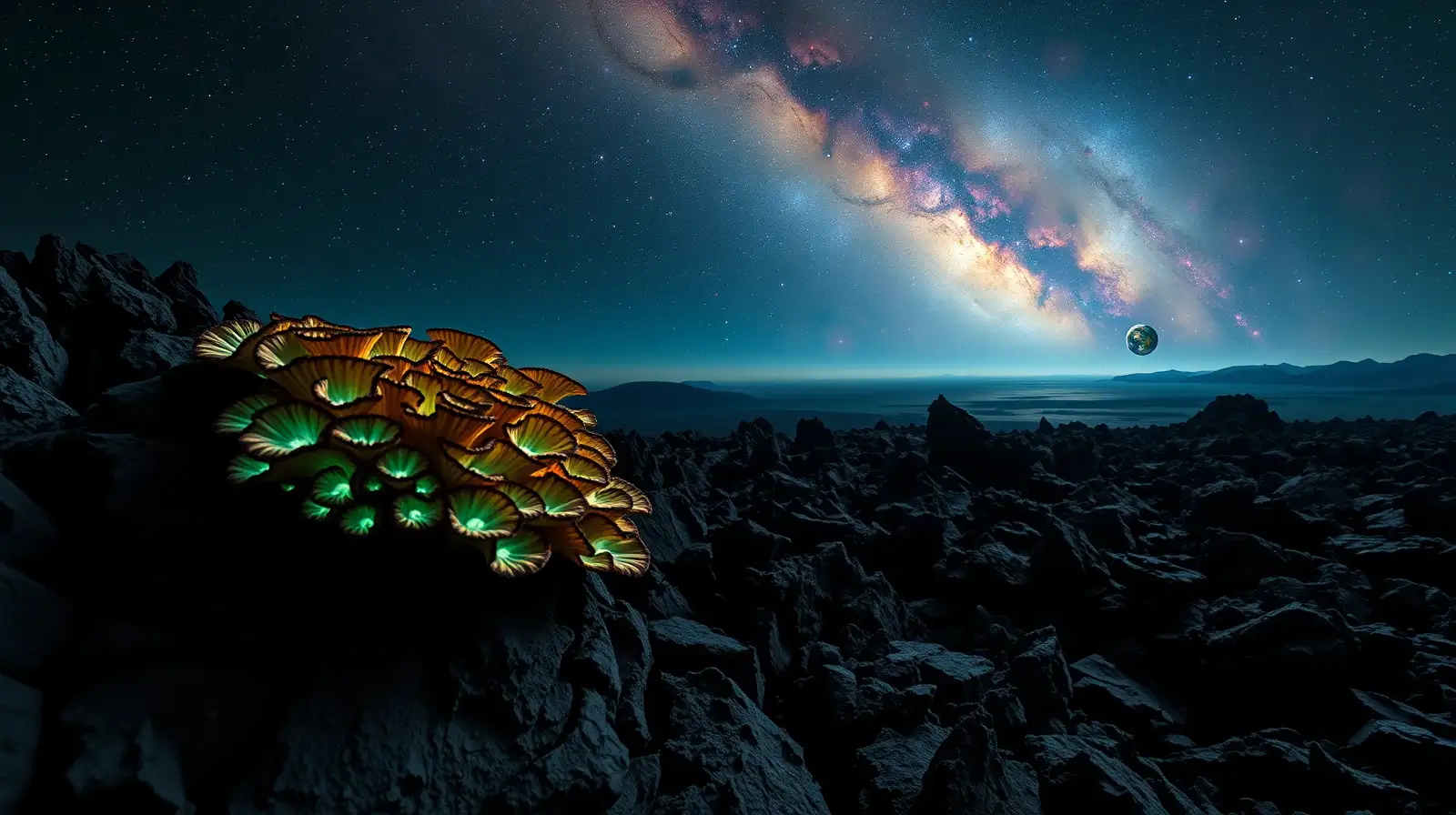
When conditions become extremely harsh, some tardigrades enter a dormant state called cryptobiosis. Their metabolism drops dramatically, allowing them to tolerate dehydration, extreme temperatures and other stresses that would quickly kill most animals.
Experiments have even exposed tardigrades to space conditions. Some have survived periods of exposure to the vacuum of space, although survival varies depending on the specific conditions, particularly radiation.
One well-known example is Caenorhabditis elegans, a tiny roundworm widely used in biological research. Scientists have sent these worms into space to study how living organisms respond to microgravity and other conditions beyond Earth.
Their importance goes beyond curiosity. Researchers use such organisms to understand how cells, muscles and biological systems respond when normal gravity disappears.
A tardigrade may enter a dormant state and endure conditions that would be fatal to an active animal. That does not mean it can eat, reproduce and behave normally in a vacuum.
Humans are far more complex. Our organs depend on stable pressure, oxygen, temperature and protection from radiation. Without a spacecraft or habitat, survival would be extremely short.
They also have implications for the search for extraterrestrial life. If organisms on Earth can tolerate remarkably harsh environments, perhaps life elsewhere could survive in conditions once considered completely uninhabitable.
The most surprising lesson may be that life is more adaptable than we once imagined. Space remains brutally hostile, but these microscopic survivors show that the boundary between habitable and impossible can sometimes be far more complicated than it appears.
Tardigrades Are The Famous Survivors
Tardigrades, often nicknamed water bears, are microscopic animals usually measuring less than a millimetre long. Their unusual survival abilities have made them one of the most fascinating creatures studied in extreme-environment research.When conditions become extremely harsh, some tardigrades enter a dormant state called cryptobiosis. Their metabolism drops dramatically, allowing them to tolerate dehydration, extreme temperatures and other stresses that would quickly kill most animals.
Experiments have even exposed tardigrades to space conditions. Some have survived periods of exposure to the vacuum of space, although survival varies depending on the specific conditions, particularly radiation.
Tiny Worms Have Surprising Abilities
Certain microscopic worms called nematodes have also demonstrated impressive resistance to environmental extremes.One well-known example is Caenorhabditis elegans, a tiny roundworm widely used in biological research. Scientists have sent these worms into space to study how living organisms respond to microgravity and other conditions beyond Earth.
Their importance goes beyond curiosity. Researchers use such organisms to understand how cells, muscles and biological systems respond when normal gravity disappears.
Survival Does Not Mean Living Normally
There is an important distinction between surviving space and actually living in space.A tardigrade may enter a dormant state and endure conditions that would be fatal to an active animal. That does not mean it can eat, reproduce and behave normally in a vacuum.
Humans are far more complex. Our organs depend on stable pressure, oxygen, temperature and protection from radiation. Without a spacecraft or habitat, survival would be extremely short.
Why Scientists Study These Animals
These creatures could eventually help researchers understand how life might survive beyond Earth. Their biological mechanisms may reveal ways of protecting cells from radiation, dehydration and other extreme stresses.They also have implications for the search for extraterrestrial life. If organisms on Earth can tolerate remarkably harsh environments, perhaps life elsewhere could survive in conditions once considered completely uninhabitable.
The most surprising lesson may be that life is more adaptable than we once imagined. Space remains brutally hostile, but these microscopic survivors show that the boundary between habitable and impossible can sometimes be far more complicated than it appears.






Loving Newspoint? Download the app now
