
Which Asian Country Is Known As The Land Of Morning Calm?

South Korea is widely known as the Land of Morning Calm , a poetic nickname that beautifully reflects the country’s tranquil natural scenery. The phrase originates from the historical name Joseon (also spelled Chosun), the Korean dynasty that ruled the peninsula from 1392 to 1897. When translated, Joseon conveys the idea of a land filled with serenity and calm at dawn, a description that perfectly matches the peaceful landscapes of Korea.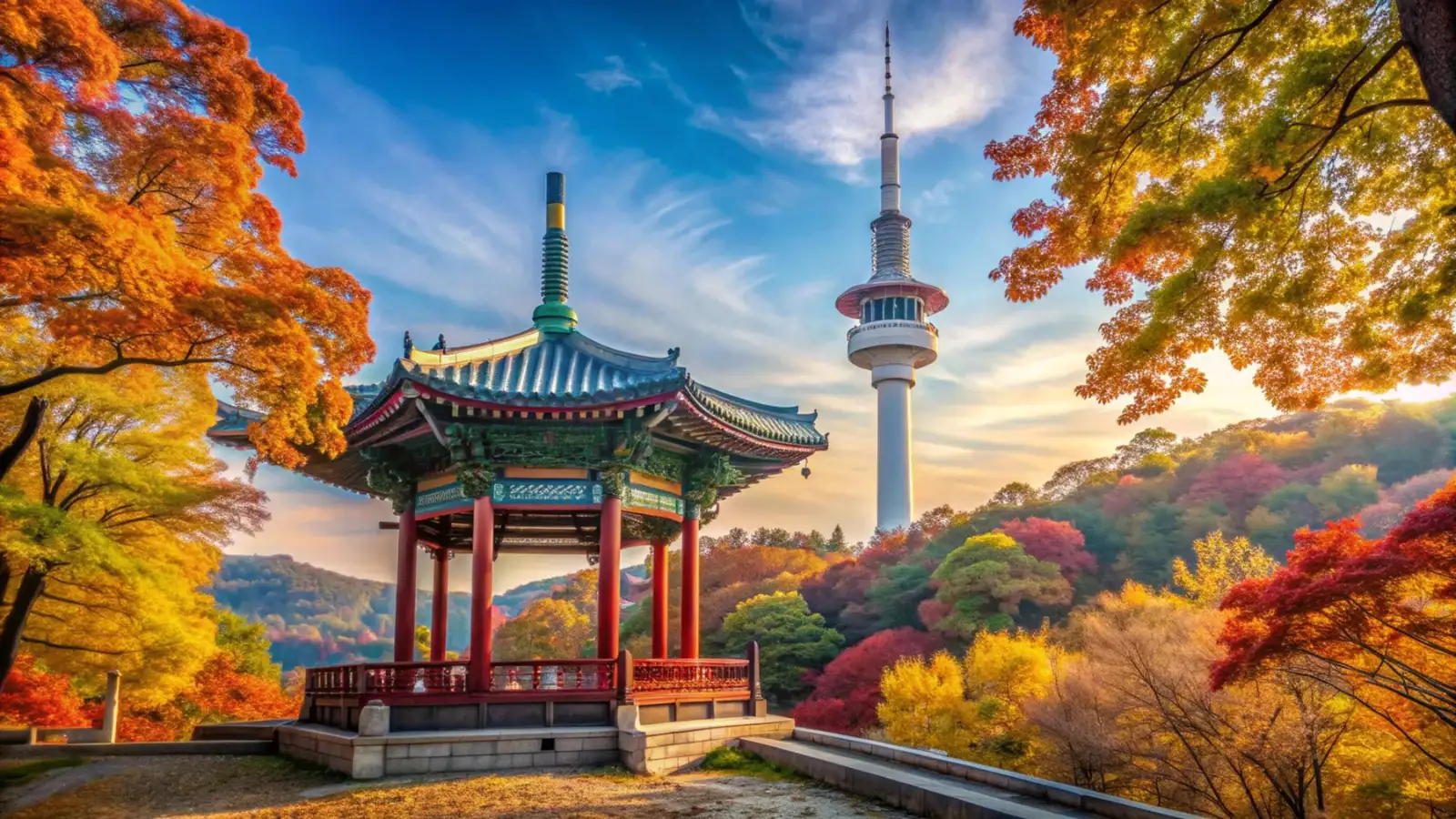
The nickname Land of Morning Calm was inspired by the country’s natural environment. Early mornings in South Korea often reveal mist-covered mountains, quiet temples, and soft sunlight spreading across green valleys. Buddhist monasteries nestled in forested hills and rivers glistening in the first light create a sense of calm that has fascinated travellers and historians for centuries. Despite wars, invasions, and rapid modernisation, this peaceful identity continues to define the nation.
While the countryside reflects the meaning behind the Land of Morning Calm, South Korea’s cities present an energetic contrast. Seoul, the capital, is one of Asia’s most dynamic urban centres. Modern skyscrapers, neon lights, K-pop culture, and bustling markets dominate the cityscape. Yet history remains deeply embedded within the city. Gyeongbokgung Palace, built in 1395, stands as the grandest palace of the Joseon Dynasty and remains one of Seoul’s most iconic landmarks. Nearby, Changdeokgung Palace, a UNESCO World Heritage Site, features the famous Secret Garden, where lotus ponds and forest paths offer a peaceful retreat within the busy city.
Read More: Which Country Produces The Most Honey In The World?
Neighbourhoods such as Insadong showcase traditional Korean culture through art galleries, antique shops, and tea houses. In contrast, districts like Hongdae and Itaewon highlight Seoul’s vibrant nightlife, international cuisine, and modern entertainment scene.
Beyond the capital lies Busan, South Korea’s second-largest city and an important port. Known for its coastal charm, Busan is home to the popular Haeundae Beach, surrounded by modern skyscrapers and lively seaside cafés. The colourful Gamcheon Culture Village, with its hillside houses and artistic murals, has become a major cultural attraction. Visitors also explore the famous Jagalchi Fish Market, the country’s largest seafood market, where fresh catches are sold and served daily.
For those interested in history, Gyeongju offers a glimpse into Korea’s ancient past. Once the capital of the Silla Kingdom, the city features remarkable heritage sites such as the Daereungwon Tomb Complex, where massive royal burial mounds rise from green fields. Another highlight is Bulguksa Temple, a UNESCO-listed masterpiece of Buddhist architecture.
Together, these landscapes, cities, and cultural treasures explain why South Korea is proudly called the Land of Morning Calm, a nation where modern innovation and timeless serenity coexist.
The nickname Land of Morning Calm was inspired by the country’s natural environment. Early mornings in South Korea often reveal mist-covered mountains, quiet temples, and soft sunlight spreading across green valleys. Buddhist monasteries nestled in forested hills and rivers glistening in the first light create a sense of calm that has fascinated travellers and historians for centuries. Despite wars, invasions, and rapid modernisation, this peaceful identity continues to define the nation.
While the countryside reflects the meaning behind the Land of Morning Calm, South Korea’s cities present an energetic contrast. Seoul, the capital, is one of Asia’s most dynamic urban centres. Modern skyscrapers, neon lights, K-pop culture, and bustling markets dominate the cityscape. Yet history remains deeply embedded within the city. Gyeongbokgung Palace, built in 1395, stands as the grandest palace of the Joseon Dynasty and remains one of Seoul’s most iconic landmarks. Nearby, Changdeokgung Palace, a UNESCO World Heritage Site, features the famous Secret Garden, where lotus ponds and forest paths offer a peaceful retreat within the busy city.
You may also like
- How to Practice Mindfulness Meditation: Step-by-Step Guide
- You Won't Believe Why Ranbir Kapoor and Sai Pallavi's Rama-Sita Photos Are Taking Over the Internet!
- 3 Ramana Maharshi Teachings for Meditation, Peace & Moksha
- NPS Rules: If you want to withdraw your money from NPS, then do not make these 5 mistakes..
- Ever wondered how your mutual fund investments are taxed? Know the rules before selling your units..
Read More: Which Country Produces The Most Honey In The World?
Neighbourhoods such as Insadong showcase traditional Korean culture through art galleries, antique shops, and tea houses. In contrast, districts like Hongdae and Itaewon highlight Seoul’s vibrant nightlife, international cuisine, and modern entertainment scene.
Beyond the capital lies Busan, South Korea’s second-largest city and an important port. Known for its coastal charm, Busan is home to the popular Haeundae Beach, surrounded by modern skyscrapers and lively seaside cafés. The colourful Gamcheon Culture Village, with its hillside houses and artistic murals, has become a major cultural attraction. Visitors also explore the famous Jagalchi Fish Market, the country’s largest seafood market, where fresh catches are sold and served daily.
For those interested in history, Gyeongju offers a glimpse into Korea’s ancient past. Once the capital of the Silla Kingdom, the city features remarkable heritage sites such as the Daereungwon Tomb Complex, where massive royal burial mounds rise from green fields. Another highlight is Bulguksa Temple, a UNESCO-listed masterpiece of Buddhist architecture.
Together, these landscapes, cities, and cultural treasures explain why South Korea is proudly called the Land of Morning Calm, a nation where modern innovation and timeless serenity coexist.






More from our partners


Loving Newspoint? Download the app now
