
Ever Wondered Which City Is Called The City Of Water? Find Out Here

Venice, located in northeastern Italy, is globally recognised as the “City of Water.” Built on around 118 islands linked by over 150 canals, the city functions entirely on water. There are no cars or conventional streets; instead, canals serve as lifelines, shaping Venice’s unique transport system, architecture, and culture. Gondolas, vaporettos, and water taxis replace traditional roads, creating a floating city that feels magical and timeless.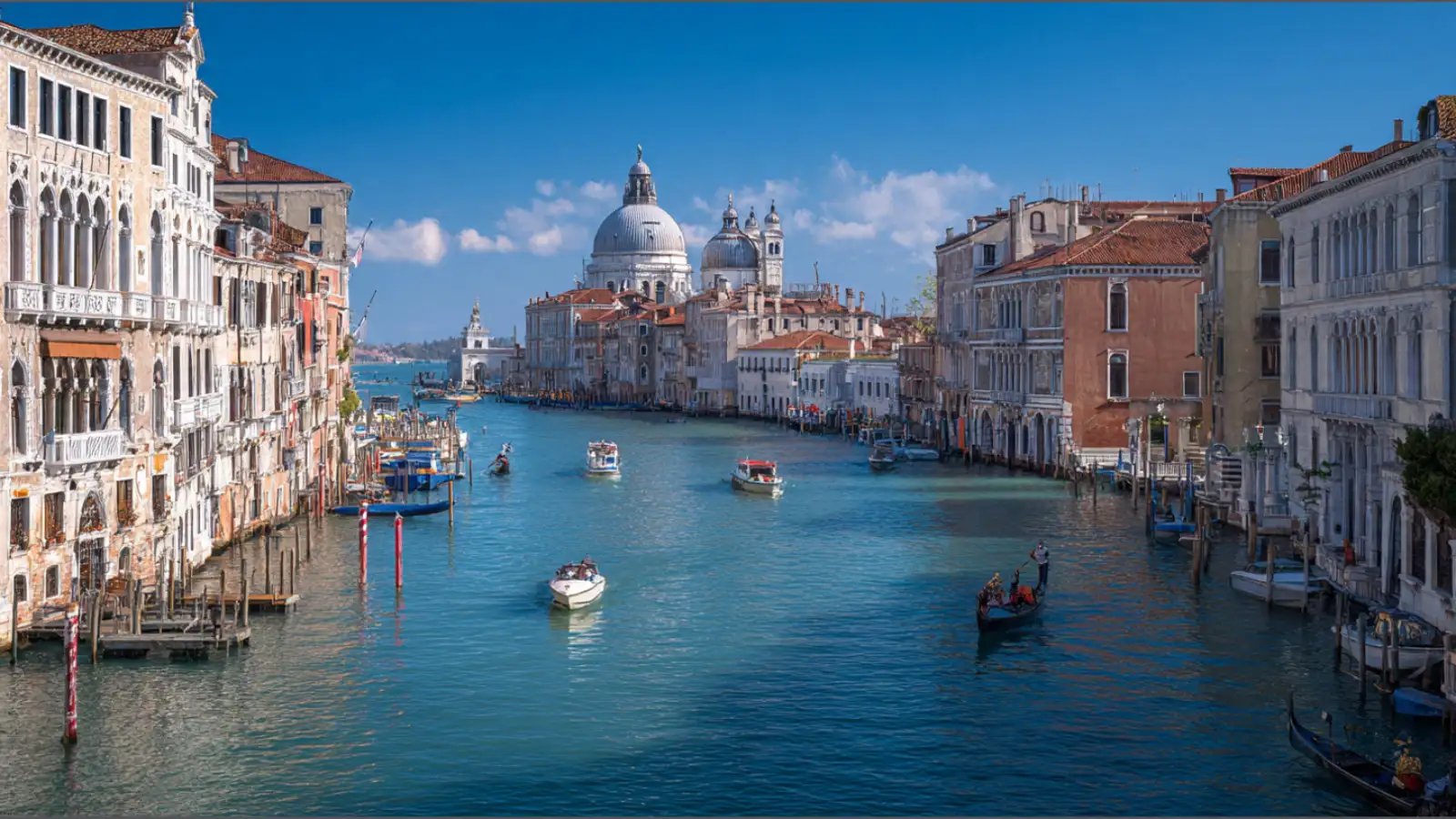
Why Venice is Known as the City of Water
Venice earns its nickname because every part of the city is intertwined with water. Canals act as roads, and boats are the primary mode of transport. Locals travel to work, school, and markets using gondolas and ferries, while tourists enjoy scenic rides through narrow waterways. This water-centric lifestyle gives Venice its distinctive identity and draws millions of visitors annually.
Read More: Why The Netherlands Is Known As The Country Of Canals
How Venice Was Built on Water
Venice was constructed by driving thousands of wooden piles deep into soft, marshy ground. Remarkably, these submerged wooden foundations did not rot, as underwater conditions preserved them for centuries. Over time, islands were connected with bridges, and canals were shaped to allow boat navigation. This engineering feat is considered one of the most extraordinary human achievements in urban planning.
Geography and Iconic Waterways
The city comprises 118 islands separated by more than 150 canals. The Grand Canal , an S-shaped main waterway, winds through the heart of Venice, with smaller canals branching into neighbourhoods and markets. Each island offers its own charm, narrow streets, and historic buildings. Venice’s canal network creates its dreamlike, photogenic appearance and reinforces its title as the City of Water.
Water Transport and Attractions
Gondolas are handcrafted using over 280 parts and operated by skilled gondoliers, while vaporettos act as public water buses. Venice’s bridges more than 400 in total, connect islands and make walking possible. Famous landmarks like St. Mark’s Square, Rialto Bridge, and Doge’s Palace line the waterways. Visitors can explore Murano for glass-making, Burano for lace, and enjoy countless canal-side experiences.
Read More: Why This Historic City Is Famous Around The World As The City Of Music
Interesting Facts About Venice
Venice’s reliance on canals and islands defines its lifestyle, architecture, and tourism, making it the world’s most extraordinary City of Water.
Why Venice is Known as the City of Water
Venice earns its nickname because every part of the city is intertwined with water. Canals act as roads, and boats are the primary mode of transport. Locals travel to work, school, and markets using gondolas and ferries, while tourists enjoy scenic rides through narrow waterways. This water-centric lifestyle gives Venice its distinctive identity and draws millions of visitors annually. Read More: Why The Netherlands Is Known As The Country Of Canals
You may also like
- Teaching kids time skills without turning life into a timetable
- Kochi sees surge in global travel interest
- Why Panchmukhi Hanuman Is Seen as Protection From All Five Directions
- What is microcheating in relationships, know its 2 types and which is less harmful?
- Preparing kids for the real world: Money skills every child should have
How Venice Was Built on Water
Venice was constructed by driving thousands of wooden piles deep into soft, marshy ground. Remarkably, these submerged wooden foundations did not rot, as underwater conditions preserved them for centuries. Over time, islands were connected with bridges, and canals were shaped to allow boat navigation. This engineering feat is considered one of the most extraordinary human achievements in urban planning. Geography and Iconic Waterways
The city comprises 118 islands separated by more than 150 canals. The Grand Canal , an S-shaped main waterway, winds through the heart of Venice, with smaller canals branching into neighbourhoods and markets. Each island offers its own charm, narrow streets, and historic buildings. Venice’s canal network creates its dreamlike, photogenic appearance and reinforces its title as the City of Water.Water Transport and Attractions
Gondolas are handcrafted using over 280 parts and operated by skilled gondoliers, while vaporettos act as public water buses. Venice’s bridges more than 400 in total, connect islands and make walking possible. Famous landmarks like St. Mark’s Square, Rialto Bridge, and Doge’s Palace line the waterways. Visitors can explore Murano for glass-making, Burano for lace, and enjoy countless canal-side experiences. Read More: Why This Historic City Is Famous Around The World As The City Of Music
Interesting Facts About Venice
- Venice has over 400 bridges connecting islands.
- Gondolas require months to build and years to master.
- The Venice Carnival is one of the oldest in the world.
- Buildings stand on underwater wooden foundations.
- Millions of tourists visit Venice every year.
Venice’s reliance on canals and islands defines its lifestyle, architecture, and tourism, making it the world’s most extraordinary City of Water.






More from our partners


Loving Newspoint? Download the app now
