
Which Place Is Called the Last Land of India? Here's Everything You Should Know

Dhanushkodi , famously known as the last land of India , is one of the country's most fascinating coastal destinations. Perched on the southeastern tip of Tamil Nadu, this remote town attracts travellers with its turquoise waters, abandoned ruins, mythological heritage and dramatic landscapes. From its connection to the Ramayana to its haunting history as a ghost town, Dhanushkodi offers an unforgettable journey where history, faith and nature come together.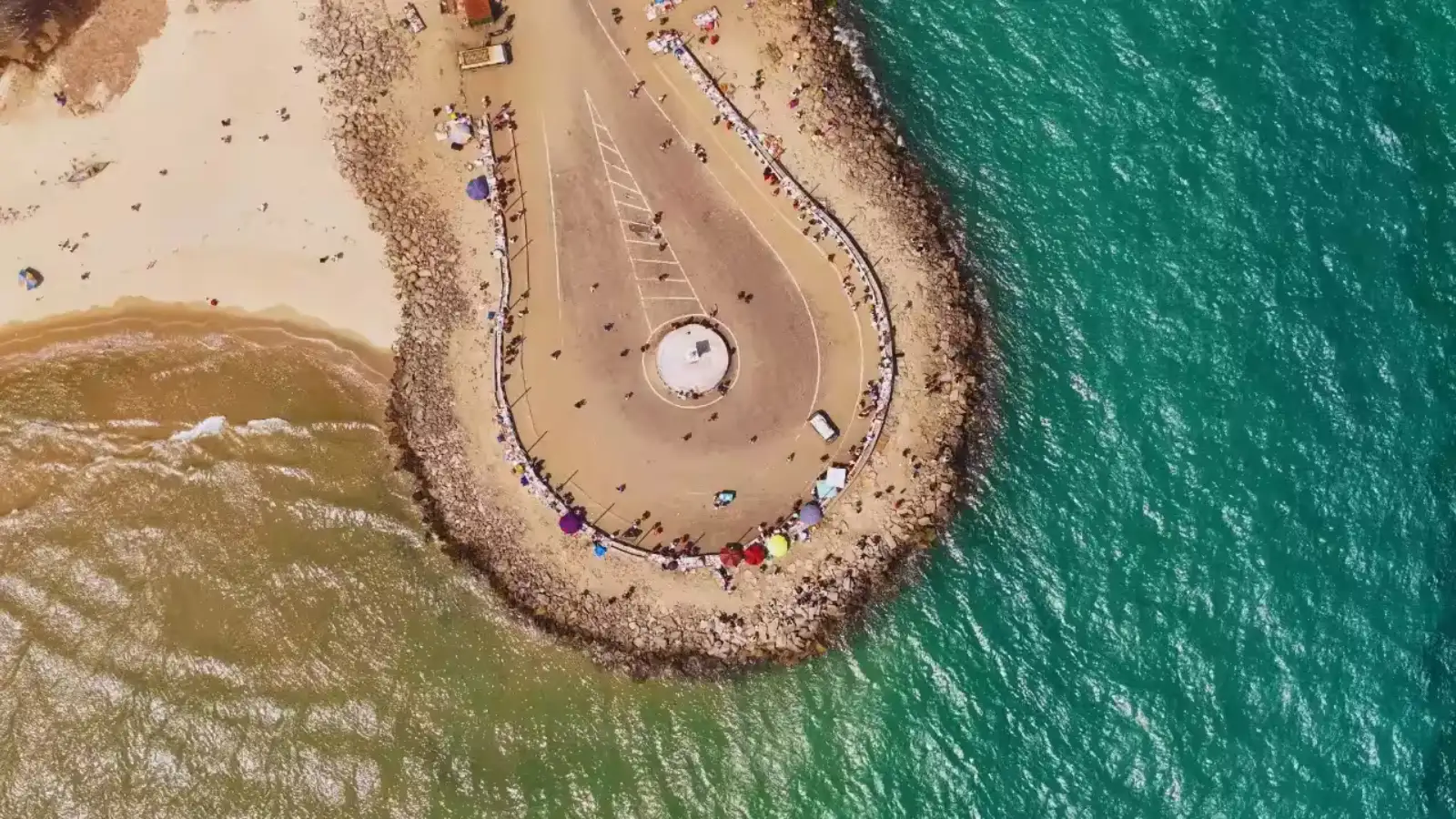
Where Is Dhanushkodi Located?
Dhanushkodi is situated around 18 kilometres from Rameswaram in Tamil Nadu, at the southern edge of Pamban Island. The town lies close to Sri Lanka, separated by a narrow stretch of sea. The drive to Dhanushkodi itself is a memorable experience, with clear blue waters stretching along both sides of the road, creating one of the most scenic routes in India.
Its unique location at the country's edge has earned it the title of the last land of India, making it a must-visit destination for nature lovers, photographers and road-trip enthusiasts.
Why Is Dhanushkodi Called the Last Land of India?
Dhanushkodi marks the final accessible point of the Indian mainland before the waters extend towards Sri Lanka. Standing here offers a remarkable view of the endless sea and the feeling of reaching India's final frontier.
The town's remote setting, peaceful beaches and untouched surroundings create an atmosphere unlike any other coastal destination in the country. Its isolated charm continues to attract visitors seeking an offbeat travel experience.
The Ramayana Connection of Dhanushkodi
Dhanushkodi holds immense religious importance in Hindu tradition. It is believed to be the place where Lord Rama and his Vanara army began constructing the legendary Ram Setu , the bridge that connected India to Lanka for the rescue of Goddess Sita.
According to mythology, after returning victorious, Lord Rama used his bow to break the bridge. This event is said to have inspired the name "Dhanushkodi," which translates to "end of the bow." Because of this sacred association, the town remains an important pilgrimage destination for devotees.
The Cyclone That Turned Dhanushkodi Into a Ghost Town
The history of Dhanushkodi changed forever on the night of December 22, 1964, when one of the most destructive cyclones in India's history struck the region. The powerful storm wiped out homes, public buildings, transport infrastructure and much of the town, causing widespread loss of life.
Following the disaster, authorities declared the area unfit for permanent settlement. Since then, Dhanushkodi has been widely recognised as one of India's most famous ghost towns, where the remains of a once-thriving settlement continue to stand as silent reminders of the tragedy.
Ruins That Tell Stories of the Past
Even today, visitors can explore the remains of the old Dhanushkodi. Crumbling churches, abandoned houses, the ruins of the former railway station and other damaged structures offer a glimpse into the town's past.
Among the surviving landmarks, the Kothandaramaswamy Temple stands out. Remarkably spared during the cyclone, the temple remains an active place of worship and is closely linked to stories from the Ramayana, making it a significant stop for pilgrims.
Arichal Munai : The Scenic Edge of India
A visit to Dhanushkodi is incomplete without reaching Arichal Munai, the point where the Bay of Bengal meets the waters connected to the Indian Ocean through the Gulf of Mannar.
The journey to this coastal tip is known for its breathtaking scenery, with crystal-clear waters flanking both sides of the narrow road. The stunning landscape, dramatic skies and peaceful surroundings make it one of the most photographed locations in southern India.
How Close Is Sri Lanka to Dhanushkodi?
Sri Lanka lies only about 24 kilometres from Dhanushkodi across the sea. Although the two countries are geographically close, there is currently no direct ferry service operating from Dhanushkodi to Sri Lanka.
The town nevertheless remains an intriguing destination because of its strategic location and historical importance.
Why You Should Visit Dhanushkodi
Dhanushkodi is far more than just the last land of India. It is a destination where mythology, history and natural beauty blend into an unforgettable experience. Whether you're exploring centuries-old legends, walking through haunting ruins, admiring panoramic sea views or capturing stunning photographs, every corner of this coastal town offers something unique.
Its untouched beaches, fascinating past and remarkable setting make Dhanushkodi one of India's most extraordinary offbeat travel destinations and a place that deserves a spot on every travel enthusiast's bucket list.
Where Is Dhanushkodi Located?
Dhanushkodi is situated around 18 kilometres from Rameswaram in Tamil Nadu, at the southern edge of Pamban Island. The town lies close to Sri Lanka, separated by a narrow stretch of sea. The drive to Dhanushkodi itself is a memorable experience, with clear blue waters stretching along both sides of the road, creating one of the most scenic routes in India.
Its unique location at the country's edge has earned it the title of the last land of India, making it a must-visit destination for nature lovers, photographers and road-trip enthusiasts.
Why Is Dhanushkodi Called the Last Land of India?
Dhanushkodi marks the final accessible point of the Indian mainland before the waters extend towards Sri Lanka. Standing here offers a remarkable view of the endless sea and the feeling of reaching India's final frontier.
The town's remote setting, peaceful beaches and untouched surroundings create an atmosphere unlike any other coastal destination in the country. Its isolated charm continues to attract visitors seeking an offbeat travel experience.
The Ramayana Connection of Dhanushkodi
Dhanushkodi holds immense religious importance in Hindu tradition. It is believed to be the place where Lord Rama and his Vanara army began constructing the legendary Ram Setu , the bridge that connected India to Lanka for the rescue of Goddess Sita.
According to mythology, after returning victorious, Lord Rama used his bow to break the bridge. This event is said to have inspired the name "Dhanushkodi," which translates to "end of the bow." Because of this sacred association, the town remains an important pilgrimage destination for devotees.
The Cyclone That Turned Dhanushkodi Into a Ghost Town
The history of Dhanushkodi changed forever on the night of December 22, 1964, when one of the most destructive cyclones in India's history struck the region. The powerful storm wiped out homes, public buildings, transport infrastructure and much of the town, causing widespread loss of life.
Following the disaster, authorities declared the area unfit for permanent settlement. Since then, Dhanushkodi has been widely recognised as one of India's most famous ghost towns, where the remains of a once-thriving settlement continue to stand as silent reminders of the tragedy.
You may also like
- Bollywood made it look magical, but reality is “messy and smelly”: Indian female traveller reveals what Spain's La Tomatina festival is really like before you spend lakhs to attend
- After climbing all 14 of the world's highest mountains in record time, Nirmal 'Nimsdai' Purja chased one final dream; a 2026 avalanche on Pakistan's Broad Peak claimed his life
- Fashion quote of the day by Marc Jacobs: 'Clothes mean nothing until someone lives in them'
- Why Your Smile Lines Are Appearing Faster Than You Think
- Quote of the day by Gurudev Sri Sri Ravi Shankar: “Go inward to find the source of happiness. When you connect with that source, your senses will be strong, your mind will be content, and things will start going your way.”; What Gurudev advises on finding your happiness within
Ruins That Tell Stories of the Past
Even today, visitors can explore the remains of the old Dhanushkodi. Crumbling churches, abandoned houses, the ruins of the former railway station and other damaged structures offer a glimpse into the town's past.
Among the surviving landmarks, the Kothandaramaswamy Temple stands out. Remarkably spared during the cyclone, the temple remains an active place of worship and is closely linked to stories from the Ramayana, making it a significant stop for pilgrims.
Arichal Munai : The Scenic Edge of India
A visit to Dhanushkodi is incomplete without reaching Arichal Munai, the point where the Bay of Bengal meets the waters connected to the Indian Ocean through the Gulf of Mannar.
The journey to this coastal tip is known for its breathtaking scenery, with crystal-clear waters flanking both sides of the narrow road. The stunning landscape, dramatic skies and peaceful surroundings make it one of the most photographed locations in southern India.
How Close Is Sri Lanka to Dhanushkodi?
Sri Lanka lies only about 24 kilometres from Dhanushkodi across the sea. Although the two countries are geographically close, there is currently no direct ferry service operating from Dhanushkodi to Sri Lanka.
The town nevertheless remains an intriguing destination because of its strategic location and historical importance.
Why You Should Visit Dhanushkodi
Dhanushkodi is far more than just the last land of India. It is a destination where mythology, history and natural beauty blend into an unforgettable experience. Whether you're exploring centuries-old legends, walking through haunting ruins, admiring panoramic sea views or capturing stunning photographs, every corner of this coastal town offers something unique.
Its untouched beaches, fascinating past and remarkable setting make Dhanushkodi one of India's most extraordinary offbeat travel destinations and a place that deserves a spot on every travel enthusiast's bucket list.






Loving Newspoint? Download the app now
