
Why This Spice Was Once More Valuable Than Gold

Today, black pepper sits quietly on dining tables and kitchen shelves across the world. Yet centuries ago, this everyday seasoning was among the most prized commodities on Earth. So valuable was black pepper that it earned the nickname "Black Gold" and, in some regions, was considered more valuable than gold itself.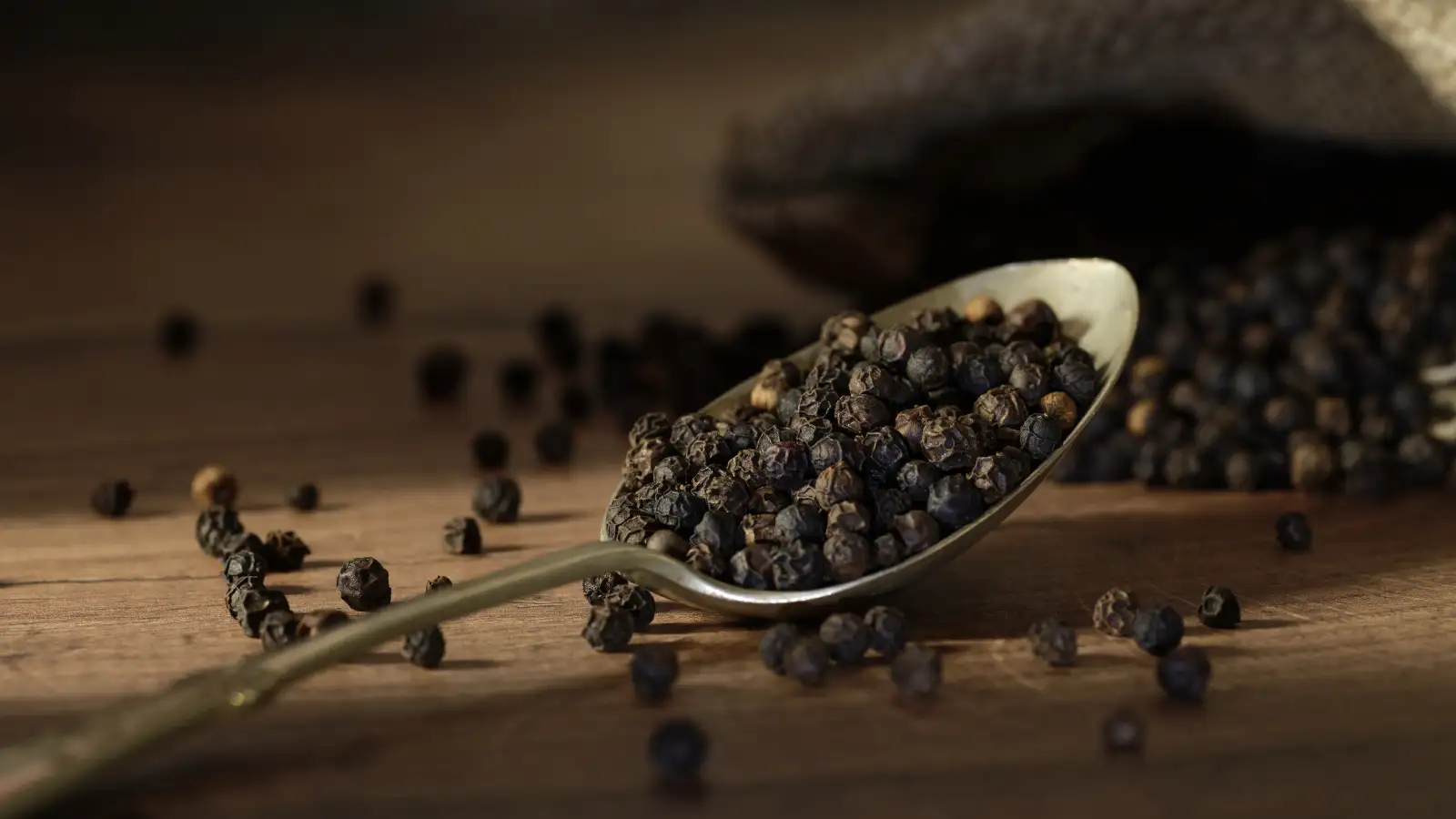
The remarkable story of black pepper history is one of wealth, exploration, trade, and cultural exchange. This tiny spice not only flavoured food but also influenced empires, trade routes, and some of history's greatest voyages.
Because black pepper was difficult to obtain and transported over vast distances, its value soared. In some markets, the spice more valuable than gold became a symbol of prestige, wealth, and social status.
Also Read: Who Leads Global Black Pepper Production? Find Out Here
Before modern transport networks, black pepper was sourced mainly from India's Malabar Coast in present-day Kerala. Merchants carried the spice across deserts, mountains, and dangerous sea routes before it reached European markets.
These risky journeys increased costs significantly, while demand remained exceptionally high among royalty, nobles, and wealthy merchants. As a result, black pepper became one of the most profitable products in the ancient spice trade .
The region's warm climate and abundant rainfall created ideal conditions for pepper vines to thrive. For centuries, India dominated the global pepper market, attracting traders from Europe, the Middle East, and Asia who travelled great distances to obtain this precious spice.
The Malabar Coast became synonymous with high-quality black pepper and played a central role in the flourishing world spice trade .
Vietnam supplies a substantial portion of global pepper demand, exporting the spice to markets across Asia, Europe, and North America. Despite this shift in production, India continues to be celebrated as the original home of the legendary "Black Gold" spice.
Beyond cooking, black pepper has long featured in traditional medicine and herbal remedies, where it has been valued for its potential digestive and wellness benefits.
Also Read: Is Black Pepper Good For You? 7 Surprising Health Benefits You Need To Know
The next time you sprinkle pepper onto your meal, remember that this humble seasoning was once the legendary Black Gold spice that changed the course of history.
The remarkable story of black pepper history is one of wealth, exploration, trade, and cultural exchange. This tiny spice not only flavoured food but also influenced empires, trade routes, and some of history's greatest voyages.
Black Pepper: The Spice More Valuable Than Gold
In ancient and medieval times, black pepper was worth its weight in gold. Wealthy Europeans prized the spice for its distinctive flavour, rarity, and ability to help preserve food before modern refrigeration existed.Because black pepper was difficult to obtain and transported over vast distances, its value soared. In some markets, the spice more valuable than gold became a symbol of prestige, wealth, and social status.
Also Read: Who Leads Global Black Pepper Production? Find Out Here
Why Was Black Pepper So Valuable?
The secret behind black pepper's extraordinary value lay in its scarcity and the challenges involved in transporting it.Before modern transport networks, black pepper was sourced mainly from India's Malabar Coast in present-day Kerala. Merchants carried the spice across deserts, mountains, and dangerous sea routes before it reached European markets.
These risky journeys increased costs significantly, while demand remained exceptionally high among royalty, nobles, and wealthy merchants. As a result, black pepper became one of the most profitable products in the ancient spice trade .
The Origin of Black Pepper
The origin of black pepper can be traced to the lush tropical forests of Kerala on India's south-western coast.The region's warm climate and abundant rainfall created ideal conditions for pepper vines to thrive. For centuries, India dominated the global pepper market, attracting traders from Europe, the Middle East, and Asia who travelled great distances to obtain this precious spice.
The Malabar Coast became synonymous with high-quality black pepper and played a central role in the flourishing world spice trade .
Who Produces the Most Black Pepper Today?
While India remains historically significant as the birthplace of black pepper, Vietnam is currently the world's largest producer and exporter.Vietnam supplies a substantial portion of global pepper demand, exporting the spice to markets across Asia, Europe, and North America. Despite this shift in production, India continues to be celebrated as the original home of the legendary "Black Gold" spice.
Common Uses of Black Pepper
Black pepper remains one of the most widely used seasonings in the world. Its mild heat and aromatic flavour complement a wide variety of dishes, from soups and curries to salads and grilled foods.You may also like
- UPSC AIR 1 Anuj Agnihotri reveals the one habit that can help achieve success in any exam: Why is it a valuable lesson for parents of aspiring students
- Autistic influencer John West dies at 31; sister Des reveals long-term health struggles
- 7 Japanese habits parents can teach children to boost focus and overcome laziness
- Money Management Tips: How to Build an Emergency Fund on a ₹25,000 Salary? Learn the Simple Math
- Ladki Bahin Scheme: 80 Lakh Women Removed from Beneficiary List—Know the Reasons and Check If You're Affected
Beyond cooking, black pepper has long featured in traditional medicine and herbal remedies, where it has been valued for its potential digestive and wellness benefits.
Also Read: Is Black Pepper Good For You? 7 Surprising Health Benefits You Need To Know
Fascinating Black Pepper Facts
1. Black Pepper Was Known as "Black Gold"
Due to its immense value in the world spice trade, black pepper earned the nickname "Black Gold". Wealthy merchants and rulers often stored large quantities as a sign of prosperity.2. Pepper Was Once Used as Currency
One of the most interesting black pepper facts is that it was occasionally used as money. People paid taxes, rent, and debts using peppercorns because of their high value.3. India Was the Original Pepper Capital
For centuries, Kerala's Malabar Coast was the epicentre of the global pepper trade. Traders from across continents travelled to India specifically to purchase black pepper and other prized spices.4. Black Pepper Influenced Global Exploration
The demand for spices encouraged explorers to search for faster sea routes to Asia. These expeditions led to major discoveries, expanded international trade, and reshaped world history.5. Pepper Was Found in Ancient Egyptian Tombs
Archaeologists discovered black peppercorns in the nostrils of Egyptian mummies, proving that the spice was highly valued thousands of years ago and played an important role in ancient rituals.The Legacy of Black Gold
Although black pepper is now affordable and easily available, its historical importance remains extraordinary. Few everyday ingredients can claim to have influenced global commerce, inspired exploration, and transformed economies.The next time you sprinkle pepper onto your meal, remember that this humble seasoning was once the legendary Black Gold spice that changed the course of history.






More from our partners


Loving Newspoint? Download the app now
