
Which Train Journey Is The Longest In The World? It Takes 7 Days Across 8 Time Zones

If you love long-distance train journeys, the world’s longest train route offers an experience unlike almost any other rail trip. The famous Trans-Siberian Railway runs from Moscow to Vladivostok across around 9 ,289 kilometres, taking roughly seven days to complete by train. Along the way, it crosses eight time zones and passes through major Russian cities, dense forests, vast plains and the dramatic landscapes of Siberia.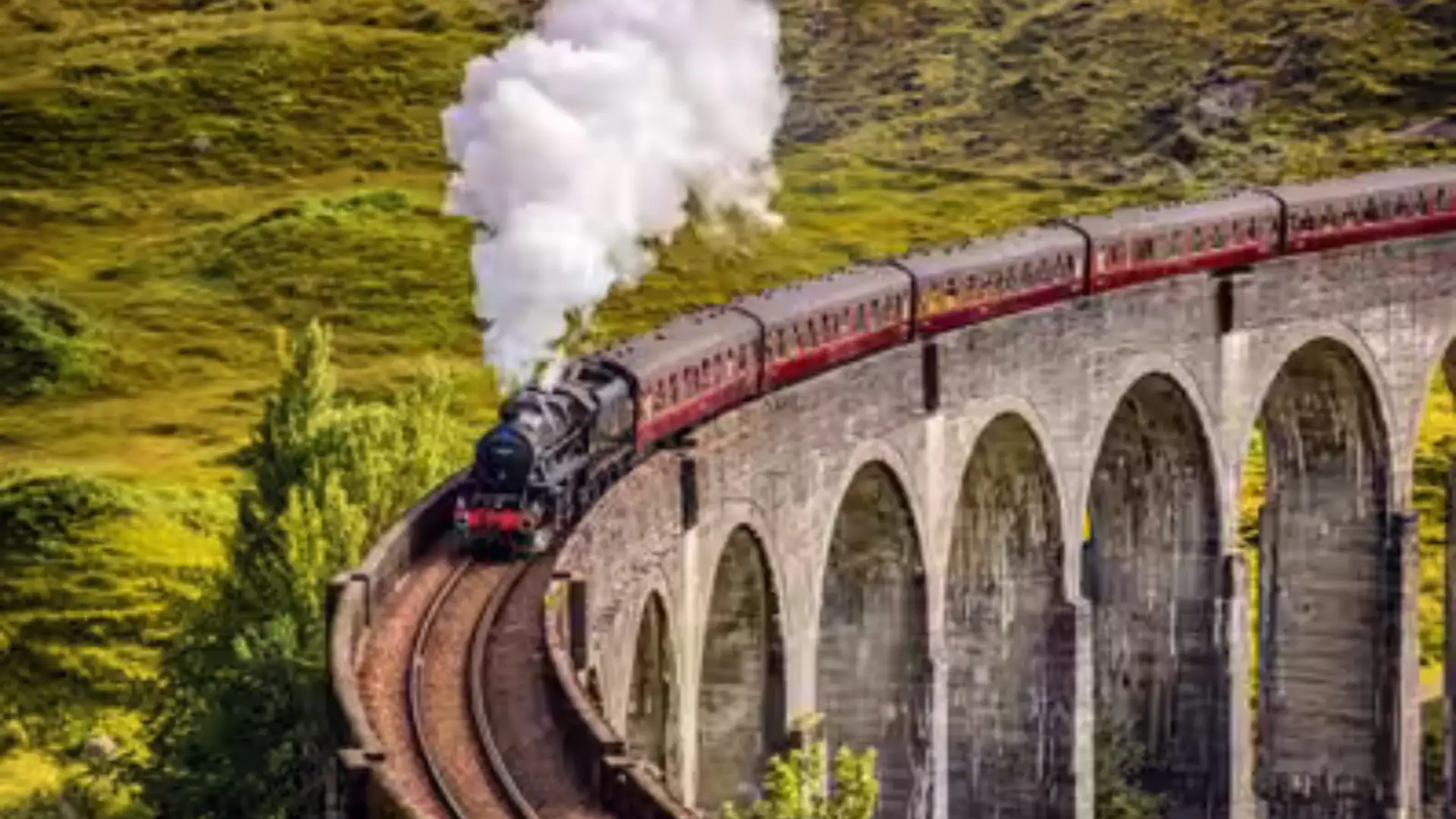
The journey takes passengers across much of Russia, the world's largest country by land area. Rather than simply being a way to get from one city to another, the route has become famous for offering travellers a remarkable cross-section of Russia's geography, history and culture.
For passengers travelling the full route, this means spending nearly a week aboard the train while watching the landscape gradually transform. The journey begins in the European part of Russia before moving towards the vast Siberian interior and eventually reaching the country's Pacific coast.
The sheer distance makes the Trans-Siberian Railway one of the world's most extraordinary rail journeys.
As the train travels eastwards, passengers experience a substantial change in local time between Moscow and Vladivostok. This makes the journey particularly interesting for travellers, as the rhythm of the day gradually changes during the trip.
The changing time zones are also a reminder of just how vast Russia is and how much territory the railway connects.
Each city provides a different glimpse into Russia. As the train moves east, the surroundings gradually shift from the country's European heartland to the enormous landscapes associated with Siberia and the Russian Far East.
Located near Irkutsk, Lake Baikal is the world's deepest freshwater lake and is renowned for its vast size and distinctive natural beauty. Many travellers use Irkutsk as a base for exploring the lake before continuing their Trans-Siberian journey.
The surrounding landscapes add another memorable element to an already scenic train ride.
During the journey, passengers can expect to see:
The scenery changes dramatically over the course of the journey. Travellers can spend hours looking through the train window as forests and open landscapes stretch far beyond the horizon.
The main railway line was completed in 1916, after decades of construction across an enormous and challenging landscape.
Building such a long railway across Siberia was a major engineering undertaking. The completed line transformed travel and transportation across Russia.
Over time, the railway became an important route for trade, cargo transportation, communication and strategic movement. It also helped integrate remote regions with Russia's major cities and economic centres.
Its importance therefore extends beyond its reputation as one of the world's most famous train journeys.
Unlike a short scenic train ride, this journey gives passengers the chance to experience the scale of an entire country from the comfort of a moving train.
For many travellers, spending nearly a week crossing Russia makes the journey itself the destination.
From historic cities and Siberian forests to the region around Lake Baikal and the Pacific coast, the route offers a constantly changing view of Russia. More than a century after its construction began, the Trans-Siberian Railway continues to stand as a remarkable example of how railways can connect distant regions across an enormous country.
What Is The World’s Longest Train Route?
The Trans-Siberian Railway is widely considered the longest continuous railway route in the world. Its classic route connects Moscow in western Russia with Vladivostok on the Pacific coast, covering approximately 9,289 kilometres.The journey takes passengers across much of Russia, the world's largest country by land area. Rather than simply being a way to get from one city to another, the route has become famous for offering travellers a remarkable cross-section of Russia's geography, history and culture.
How Long Does The Trans-Siberian Railway Journey Take?
A complete journey from Moscow to Vladivostok takes around seven days, depending on the train service, timetable and stops along the way.For passengers travelling the full route, this means spending nearly a week aboard the train while watching the landscape gradually transform. The journey begins in the European part of Russia before moving towards the vast Siberian interior and eventually reaching the country's Pacific coast.
The sheer distance makes the Trans-Siberian Railway one of the world's most extraordinary rail journeys.
How Many Time Zones Does The Route Cross?
One of the most fascinating facts about the Trans-Siberian Railway is that the route crosses eight time zones.As the train travels eastwards, passengers experience a substantial change in local time between Moscow and Vladivostok. This makes the journey particularly interesting for travellers, as the rhythm of the day gradually changes during the trip.
The changing time zones are also a reminder of just how vast Russia is and how much territory the railway connects.
Which Cities Does The Trans-Siberian Railway Pass Through?
The classic Moscow-Vladivostok route passes through or connects several major Russian cities. Among the notable stops are:- Moscow
- Yekaterinburg
- Omsk
- Novosibirsk
- Krasnoyarsk
- Irkutsk
- Ulan-Ude
- Khabarovsk
- Vladivostok
Each city provides a different glimpse into Russia. As the train moves east, the surroundings gradually shift from the country's European heartland to the enormous landscapes associated with Siberia and the Russian Far East.
Does The Trans-Siberian Railway Pass Near Lake Baikal?
Yes. The route passes through the region of Lake Baikal, one of the journey's biggest attractions for travellers.Located near Irkutsk, Lake Baikal is the world's deepest freshwater lake and is renowned for its vast size and distinctive natural beauty. Many travellers use Irkutsk as a base for exploring the lake before continuing their Trans-Siberian journey.
The surrounding landscapes add another memorable element to an already scenic train ride.
What Can You See During The Journey?
The scenery is one of the biggest reasons the Trans-Siberian Railway has become a bucket-list travel experience.During the journey, passengers can expect to see:
- Dense forests
- Wide rivers
- Open plains
- Siberian wilderness
- Mountainous landscapes
- Vast rural regions
- Major urban centres
The scenery changes dramatically over the course of the journey. Travellers can spend hours looking through the train window as forests and open landscapes stretch far beyond the horizon.
When Was The Trans-Siberian Railway Built?
The history of the Trans-Siberian Railway dates back to the Russian Empire. Construction began in 1891, when authorities wanted to strengthen transportation and communication links between western Russia and its distant eastern territories.The main railway line was completed in 1916, after decades of construction across an enormous and challenging landscape.
You may also like
- ZNMD 2: What happened to the trio after that Spain road trip?
- What Are Portable Solar Panels? Is It Worth Buying Them?
- Merely saving money won't make you rich; adopt these personal finance tips starting today..
- A minor error in your ITR can lead to a 'defective notice'; find out the deadline for responding and how to rectify the mistake..
- Emergency Fund Tips: Is it right to keep your emergency fund in a separate bank account? Find out the best approach and 5 major benefits..
Building such a long railway across Siberia was a major engineering undertaking. The completed line transformed travel and transportation across Russia.
Why Was The Trans-Siberian Railway Built?
The railway was originally developed for reasons that went far beyond tourism. It provided an essential connection between western Russia and its eastern territories, making the movement of people and goods considerably easier.Over time, the railway became an important route for trade, cargo transportation, communication and strategic movement. It also helped integrate remote regions with Russia's major cities and economic centres.
Its importance therefore extends beyond its reputation as one of the world's most famous train journeys.
Why Is The Trans-Siberian Railway So Popular Today?
Today, the Trans-Siberian Railway is best known as an iconic travel experience. Its enormous distance, changing landscapes and historic importance attract travellers looking for something more adventurous than a conventional holiday.Unlike a short scenic train ride, this journey gives passengers the chance to experience the scale of an entire country from the comfort of a moving train.
For many travellers, spending nearly a week crossing Russia makes the journey itself the destination.
The World’s Longest Train Journey Is More Than Just A Rail Trip
The Trans-Siberian Railway combines history, geography and adventure in a single journey. Covering about 9,289 kilometres from Moscow to Vladivostok, taking roughly seven days and crossing eight time zones, it remains one of the most remarkable railway experiences in the world.From historic cities and Siberian forests to the region around Lake Baikal and the Pacific coast, the route offers a constantly changing view of Russia. More than a century after its construction began, the Trans-Siberian Railway continues to stand as a remarkable example of how railways can connect distant regions across an enormous country.






Loving Newspoint? Download the app now
