
Which Valley Is Known As The Himalayan Silk Route Valley? Location, History And Interesting Facts

The Chumbi Valley is famously known as the Himalayan Silk Route Valley . It earned this title because it formed an important section of the ancient Silk Route that linked India, Tibet, and China.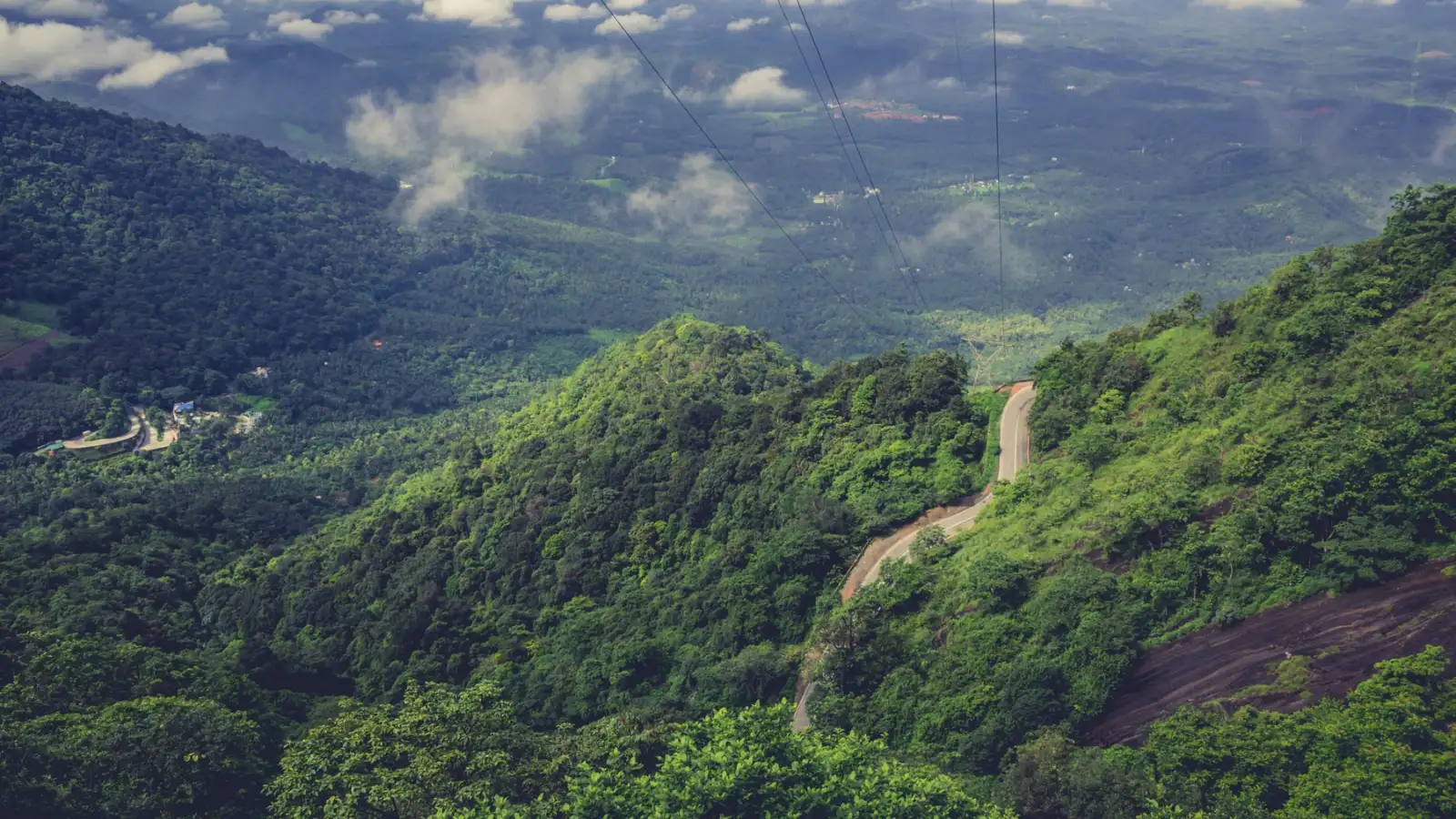
For centuries, the valley served as a gateway for trade, diplomacy, and cultural exchange. It helped connect South Asia with East Asia and played a vital role in shaping regional commerce and history.
Its unique geographical position made it one of the most valuable trade routes in the Himalayas for centuries.
Also Read: Jibhi Waterfall: The Hidden Gem Of Tirthan Valley Himachal
Traders travelling between India, Tibet, and China used this route to transport valuable goods and commodities. Beyond trade, the route also facilitated the movement of knowledge, culture, religion, and technology across regions.
Because of its central role in these exchanges, the Chumbi Valley became one of the most important trade corridors in Himalayan history.
Some of the major products traded through the Chumbi Valley included:
For centuries, traders and travellers crossed this mountain pass while transporting goods between India and Tibet.
Its historical importance, strategic location, and stunning mountain landscapes continue to make it a fascinating destination for anyone interested in ancient trade routes and the rich heritage of the Himalayas.
For centuries, the valley served as a gateway for trade, diplomacy, and cultural exchange. It helped connect South Asia with East Asia and played a vital role in shaping regional commerce and history.
Quick Facts About the Himalayan Silk Route Valley
| Detail | Information |
| Valley Name | Chumbi Valley |
| Famous As | Himalayan Silk Route Valley |
| Location | India–Tibet–Bhutan region |
| Key Mountain Pass | Nathu La Pass |
| Historical Importance | Trade and cultural exchange |
| Major Trade Goods | Silk, salt, wool, tea, spices |
Where Is the Chumbi Valley Located?
The Chumbi Valley lies in a strategically important region between Sikkim, Bhutan, and Tibet. Surrounded by majestic Himalayan mountains, the valley acts as a natural corridor connecting the Indian subcontinent with the Tibetan Plateau.Its unique geographical position made it one of the most valuable trade routes in the Himalayas for centuries.
Also Read: Jibhi Waterfall: The Hidden Gem Of Tirthan Valley Himachal
Why Is It Called the Himalayan Silk Route Valley?
The title Himalayan Silk Route Valley comes from the valley's historic role in the ancient Silk Route network.Traders travelling between India, Tibet, and China used this route to transport valuable goods and commodities. Beyond trade, the route also facilitated the movement of knowledge, culture, religion, and technology across regions.
Because of its central role in these exchanges, the Chumbi Valley became one of the most important trade corridors in Himalayan history.
What Was Traded Through the Silk Route?
The ancient Silk Route was famous for transporting a wide range of goods.Some of the major products traded through the Chumbi Valley included:
- Silk
- Salt
- Wool
- Tea
- Spices
- Precious stones
- Handcrafted goods
Importance of Nathu La Pass
A Historic Gateway to Tibet
The Nathu La Pass, located in Sikkim, served as one of the most important access points into Tibet through the Chumbi Valley.For centuries, traders and travellers crossed this mountain pass while transporting goods between India and Tibet.
Strategic Importance Today
Even today, Nathu La remains an important trade and strategic route, contributing to cross-border commerce and regional connectivity.Why Was the Chumbi Valley Strategically Important?
The valley's location offered a relatively direct route through the difficult Himalayan terrain.Trade Advantage
The valley provided a shorter and more efficient passage for merchants moving goods across the mountains.Political and Diplomatic Significance
Because it connected several regions, the valley often played an important role in diplomacy and regional relations.Military Importance
Its proximity to international borders has given the valley long-term strategic significance throughout history.Interesting Facts About the Himalayan Silk Route Valley
1. A Vital Ancient Trade Corridor
The Chumbi Valley was a crucial link between South Asia and East Asia, helping facilitate international trade long before modern transportation networks existed.You may also like
- Summer Travel Tips: Easy Tricks to Get Cheaper Hotel Bookings This Summer—Save Up to Thousands of Rupees..
- How to Transfer a Sukanya Samriddhi Account to Another Bank: Step-by-Step Guide
- In photos: The unseen corners of Majuli, the world's largest river island
- Smart Cooking: How to Prepare Healthy Meals with Less Oil
- Essential Tips for Radiant Skin During Summer Heat
2. A Centre for Cultural Exchange
Not only goods but also ideas, traditions, art, and religions travelled along this route. Buddhism, in particular, spread through many Himalayan trade corridors.3. Surrounded by Spectacular Himalayan Landscapes
The valley is bordered by snow-covered mountains and high-altitude terrain, creating some of the most dramatic scenery in the region.4. A Region of Geopolitical Importance
Its location near international boundaries continues to make the valley strategically important in contemporary times.5. Popular with Heritage Travellers
Today, the Silk Route tourism circuit attracts history enthusiasts, trekkers, photographers, and travellers eager to explore its rich heritage and breathtaking landscapes.Legacy of the Himalayan Silk Route Valley
The Chumbi Valley remains one of the most significant landmarks in Himalayan history. As the famous Himalayan Silk Route Valley, it connected India, Tibet, and China through trade, culture, and diplomacy.Its historical importance, strategic location, and stunning mountain landscapes continue to make it a fascinating destination for anyone interested in ancient trade routes and the rich heritage of the Himalayas.






More from our partners


Loving Newspoint? Download the app now
