
The Real Reason Your Flight Dims the Lights Before Takeoff and Landing

For decades, frequent flyers and holiday travelers have experienced the exact same ritual during commercial flights: as the aircraft taxis toward the runway or begins its final descent through the clouds, the bright overhead cabin illumination is systematically turned off or heavily dimmed. While many passengers assume this adjustment is meant to save aircraft fuel, mark the transition into cruise altitude, or simply encourage travelers to sleep, the operational truth is entirely grounded in emergency preparedness.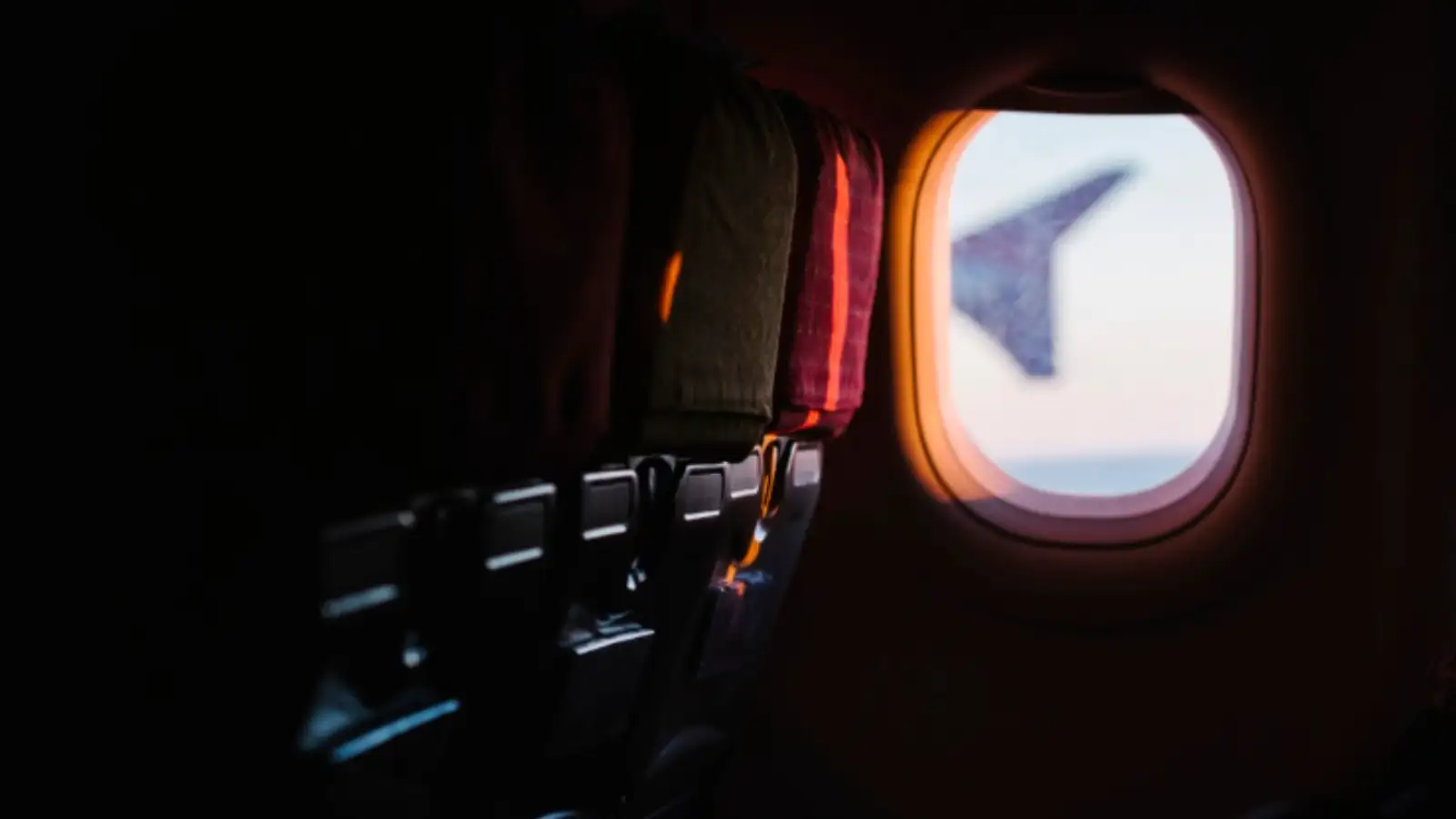
Takeoff and landing represent the most complex and statistically high-risk phases of any flight, demanding maximum alertness from both the flight deck and cabin crews. The sudden reduction of light is a proactive safety protocol designed to give human anatomy a distinct advantage when every single second matters.
According to regulatory insights provided by the European Union Aviation Safety Agency (EASA), the primary reason for altering cabin light levels involves the mechanics of human vision. Human eyes do not instantly adjust when moving from a brilliantly illuminated space into sudden, pitch-black surroundings, a phenomenon easily recognized by anyone who has walked indoors after spending time in direct afternoon sunlight.
In the rare event that an aircraft experiences a severe technical malfunction resulting in a complete failure of the primary electrical systems, the cabin would instantly drop into darkness. By proactively dimming the lights well before reaching the runway, airlines ensure that passengers' and crews' eyes are already fully adjusted to lower light levels, eliminating the crucial moments of temporary blindness and panic that could slow down an evacuation.
Furthermore, a darkened aircraft interior dramatically improves the functional visibility of onboard emergency equipment. Modern commercial airliners are engineered with specialized emergency pathway lighting, including illuminated exit signs and photoluminescent floor-level tracks designed to guide passengers toward evacuation doors through heavy smoke or power loss.
EASA guidance emphasizes that a brightly lit main cabin can visually wash out these safety pathways, rendering them less prominent. By keeping the surroundings dark, these emergency pathways stand out with crisp contrast, allowing travelers to instantly identify exit routes and helping cabin crews coordinate movements with absolute efficiency. What looks like a simple change in ambiance is actually a critical precautionary measure designed to protect lives.
Takeoff and landing represent the most complex and statistically high-risk phases of any flight, demanding maximum alertness from both the flight deck and cabin crews. The sudden reduction of light is a proactive safety protocol designed to give human anatomy a distinct advantage when every single second matters.
According to regulatory insights provided by the European Union Aviation Safety Agency (EASA), the primary reason for altering cabin light levels involves the mechanics of human vision. Human eyes do not instantly adjust when moving from a brilliantly illuminated space into sudden, pitch-black surroundings, a phenomenon easily recognized by anyone who has walked indoors after spending time in direct afternoon sunlight.
In the rare event that an aircraft experiences a severe technical malfunction resulting in a complete failure of the primary electrical systems, the cabin would instantly drop into darkness. By proactively dimming the lights well before reaching the runway, airlines ensure that passengers' and crews' eyes are already fully adjusted to lower light levels, eliminating the crucial moments of temporary blindness and panic that could slow down an evacuation.
Furthermore, a darkened aircraft interior dramatically improves the functional visibility of onboard emergency equipment. Modern commercial airliners are engineered with specialized emergency pathway lighting, including illuminated exit signs and photoluminescent floor-level tracks designed to guide passengers toward evacuation doors through heavy smoke or power loss.
EASA guidance emphasizes that a brightly lit main cabin can visually wash out these safety pathways, rendering them less prominent. By keeping the surroundings dark, these emergency pathways stand out with crisp contrast, allowing travelers to instantly identify exit routes and helping cabin crews coordinate movements with absolute efficiency. What looks like a simple change in ambiance is actually a critical precautionary measure designed to protect lives.
Next Story