
Why Are Most Laundry Detergents Blue? The Surprising Science Behind the Colour

Have you ever looked at a bottle of blue laundry detergent and assumed the colour meant it was more powerful? It’s a common belief, but the truth is far more interesting. The blue shade found in many detergents has little to do with removing stains or making clothes cleaner. Instead, it is linked to colour science, optical effects and even consumer psychology. While the ingredients inside the detergent handle the actual cleaning, the blue colour helps create the impression of brighter, fresher-looking clothes.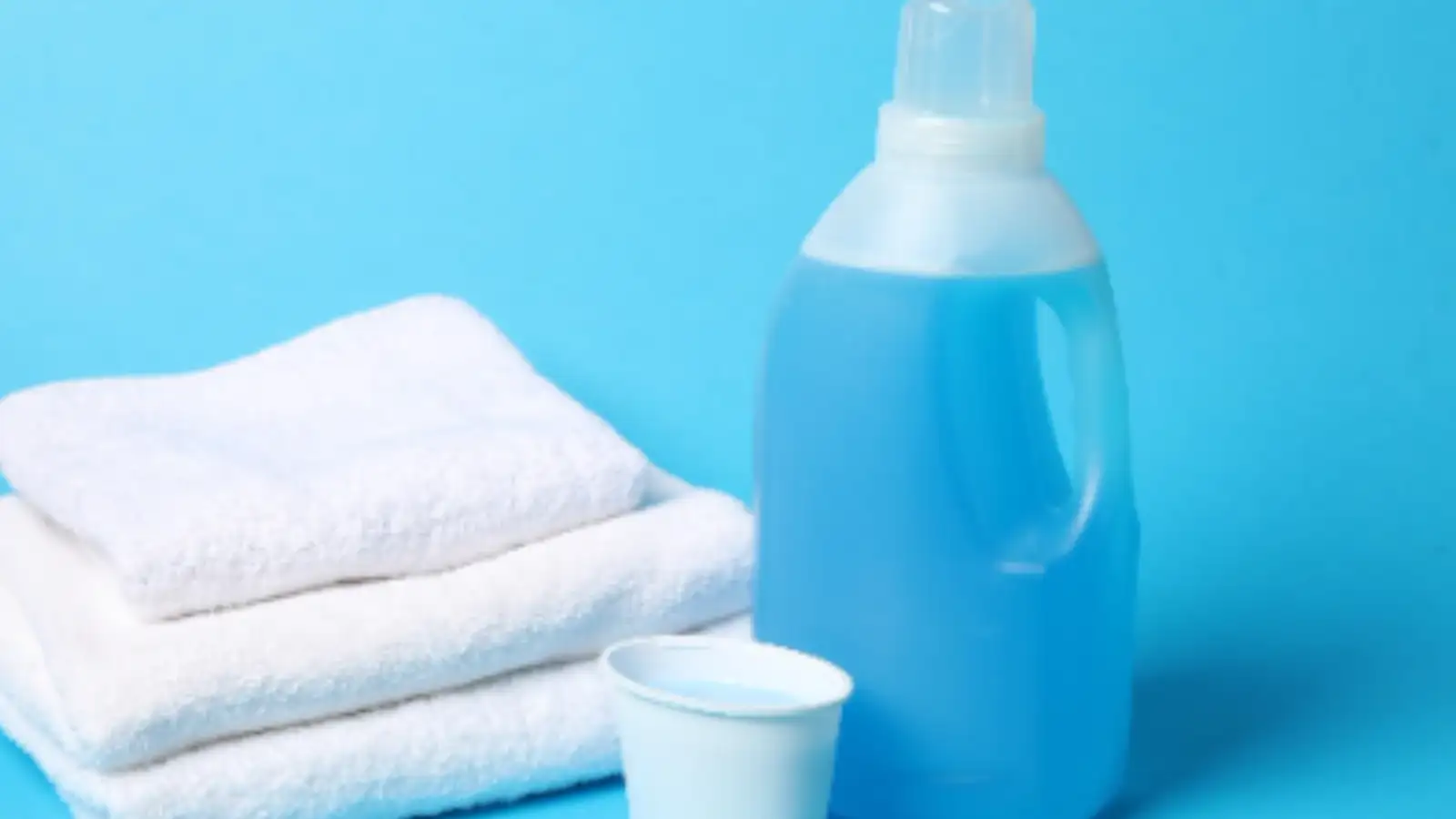
Blue detergent doesn't clean better - its ingredients do
Many shoppers associate the bright blue colour of laundry detergent with superior cleaning performance. However, the colour itself has no role in lifting dirt or removing stains.
The real cleaning power comes from active ingredients such as surfactants, enzymes and builders. Surfactants loosen oil, grease and dirt from fabric fibres so they can be rinsed away with water, while enzymes target different types of stains, including food, sweat and grass marks. In short, what’s inside the detergent matters much more than the colour you see in the bottle.
The science behind blue detergent and brighter-looking clothes
So why do manufacturers make many detergents blue? The answer lies in optical brighteners , also known as fluorescent whitening agents.
White fabrics naturally develop a yellowish tint over time due to repeated washing, sunlight exposure and ageing. Optical brighteners absorb invisible ultraviolet (UV) light and re-emit it as blue or blue-violet light. Since blue is the complementary colour of yellow, this optical effect helps neutralise yellow tones, making white clothes appear brighter and cleaner.
This doesn't mean your clothes are cleaner than before—it simply changes the way light reflects off the fabric, creating the illusion of a fresher appearance. The same colour-correcting principle is used in purple shampoos designed for blonde, grey and silver hair.
Why people associate blue with cleanliness
The popularity of blue detergents is not driven by science alone. Human psychology also plays a major role.
For decades, blue has been linked with cleanliness, freshness, water and hygiene. From bathroom cleaners to soaps and bottled water, the colour has consistently been used to communicate purity and trustworthiness.
Marketing experts have long recognised that colours influence buying decisions. Blue often creates feelings of reliability and freshness, encouraging consumers to believe a product is clean and effective—even before they use it. As a result, a blue detergent can appear more appealing despite offering no extra cleaning advantage over detergents of other colours.
Why aren't all laundry detergents blue?
Although blue remains the most familiar shade, detergent manufacturers use different colours to highlight various product ranges or brand identities.
For example:
These colours are primarily used for branding and product positioning. They should not be taken as an indication of cleaning performance.
What actually makes a laundry detergent effective?
The effectiveness of any detergent depends on its formulation rather than its appearance.
Modern detergents combine multiple ingredients that work together to tackle different kinds of stains:
Enzymes are especially useful because they continue working effectively during low-temperature wash cycles, helping save energy without compromising stain removal .
Don't judge a detergent by its colour
Choosing the right detergent should depend on your laundry needs rather than the colour of the liquid.
If you have sensitive skin, a fragrance-free detergent may be the better option. Households dealing with frequent food, grass or sweat stains may benefit from enzyme-rich detergents. Reading the ingredient list and following the recommended dosage will usually make a bigger difference than choosing a blue bottle.
It's also worth remembering that using more detergent doesn't necessarily produce cleaner clothes. Excess detergent can leave residue on fabrics and inside your washing machine, reducing washing efficiency over time.
The familiar blue colour of many laundry detergents is largely about appearance rather than cleaning strength. Optical brighteners help white fabrics look brighter by reducing the appearance of yellowing, while the colour blue reinforces feelings of freshness and cleanliness in consumers' minds. The real stain-fighting power comes from carefully balanced ingredients like surfactants and enzymes - not the detergent's colour.
So, the next time you pour blue detergent into your washing machine, you'll know that its shade is designed to influence what you see, while the ingredients inside are doing the real work.
Blue detergent doesn't clean better - its ingredients do
Many shoppers associate the bright blue colour of laundry detergent with superior cleaning performance. However, the colour itself has no role in lifting dirt or removing stains.
The real cleaning power comes from active ingredients such as surfactants, enzymes and builders. Surfactants loosen oil, grease and dirt from fabric fibres so they can be rinsed away with water, while enzymes target different types of stains, including food, sweat and grass marks. In short, what’s inside the detergent matters much more than the colour you see in the bottle.
The science behind blue detergent and brighter-looking clothes
So why do manufacturers make many detergents blue? The answer lies in optical brighteners , also known as fluorescent whitening agents.
White fabrics naturally develop a yellowish tint over time due to repeated washing, sunlight exposure and ageing. Optical brighteners absorb invisible ultraviolet (UV) light and re-emit it as blue or blue-violet light. Since blue is the complementary colour of yellow, this optical effect helps neutralise yellow tones, making white clothes appear brighter and cleaner.
This doesn't mean your clothes are cleaner than before—it simply changes the way light reflects off the fabric, creating the illusion of a fresher appearance. The same colour-correcting principle is used in purple shampoos designed for blonde, grey and silver hair.
Why people associate blue with cleanliness
The popularity of blue detergents is not driven by science alone. Human psychology also plays a major role.
For decades, blue has been linked with cleanliness, freshness, water and hygiene. From bathroom cleaners to soaps and bottled water, the colour has consistently been used to communicate purity and trustworthiness.
Marketing experts have long recognised that colours influence buying decisions. Blue often creates feelings of reliability and freshness, encouraging consumers to believe a product is clean and effective—even before they use it. As a result, a blue detergent can appear more appealing despite offering no extra cleaning advantage over detergents of other colours.
Why aren't all laundry detergents blue?
Although blue remains the most familiar shade, detergent manufacturers use different colours to highlight various product ranges or brand identities.
For example:
- Green detergents are commonly associated with eco-friendly or plant-based formulations.
- Pink and purple detergents are often marketed as premium, gentle or fragrance-focused products.
- Some brands use unique colours simply to stand out on supermarket shelves.
These colours are primarily used for branding and product positioning. They should not be taken as an indication of cleaning performance.
What actually makes a laundry detergent effective?
The effectiveness of any detergent depends on its formulation rather than its appearance.
Modern detergents combine multiple ingredients that work together to tackle different kinds of stains:
You may also like
- PM Modi to flag off Sant Ravidas Express to boost travel between Varanasi and Amritsar; date, route, timings and major stops revealed
- Tooth Regeneration: Is the need for dentures about to end? The body could grow its own teeth!
- Wooden Table Cleaning Tips: Is your wooden dining table old? Get it shining like new with these easy hacks.
- Home Decor Tips: Is your room small, but you want a luxurious look? Make even a small room feel like a palace!
- Essential Foods to Avoid During Monsoon Season
- Surfactants lift grease, oils and dirt from fabric.
- Protease enzymes break down protein-based stains such as blood, sweat and dairy products.
- Amylase enzymes target starch-based stains from foods like rice, potatoes and sauces.
- Additional builders and cleaning agents improve overall washing performance, even in hard water.
Enzymes are especially useful because they continue working effectively during low-temperature wash cycles, helping save energy without compromising stain removal .
Don't judge a detergent by its colour
Choosing the right detergent should depend on your laundry needs rather than the colour of the liquid.
If you have sensitive skin, a fragrance-free detergent may be the better option. Households dealing with frequent food, grass or sweat stains may benefit from enzyme-rich detergents. Reading the ingredient list and following the recommended dosage will usually make a bigger difference than choosing a blue bottle.
It's also worth remembering that using more detergent doesn't necessarily produce cleaner clothes. Excess detergent can leave residue on fabrics and inside your washing machine, reducing washing efficiency over time.
The familiar blue colour of many laundry detergents is largely about appearance rather than cleaning strength. Optical brighteners help white fabrics look brighter by reducing the appearance of yellowing, while the colour blue reinforces feelings of freshness and cleanliness in consumers' minds. The real stain-fighting power comes from carefully balanced ingredients like surfactants and enzymes - not the detergent's colour.
So, the next time you pour blue detergent into your washing machine, you'll know that its shade is designed to influence what you see, while the ingredients inside are doing the real work.






Loving Newspoint? Download the app now
