
The Transactional Date: Why Paying for a Meal Does Not Buy a Woman’s Consent

Few modern social interactions are as weighted with unspoken rules, anxieties, and outdated scripts as the first few dates. While digital matching apps have streamlined how people connect, they have simultaneously amplified a regressive, transactional culture that treats human connection like a retail transaction. At the absolute core of this friction is a stubborn, toxic question that routinely surfaces in dating forums: If a man pays for a woman’s meal on a date, does she owe him something in return? To state it directly and unequivocally: No. She does not owe you a second date, she does not owe you a text back, and she most certainly does not owe you physical intimacy.
The belief that a financial gesture automatically buys emotional or physical compliance is a dangerous mindset. When a man views a dinner bill as a financial investment expected to yield a specific physical return, he isn't participating in a date; he is treating an independent human being like a vending machine. This mentality turns hospitality into a coercive tool. It reduces a woman's agency to an item with a price tag, perpetuating the belief that a woman's boundaries can be circumvented for the cost of an upscale entree.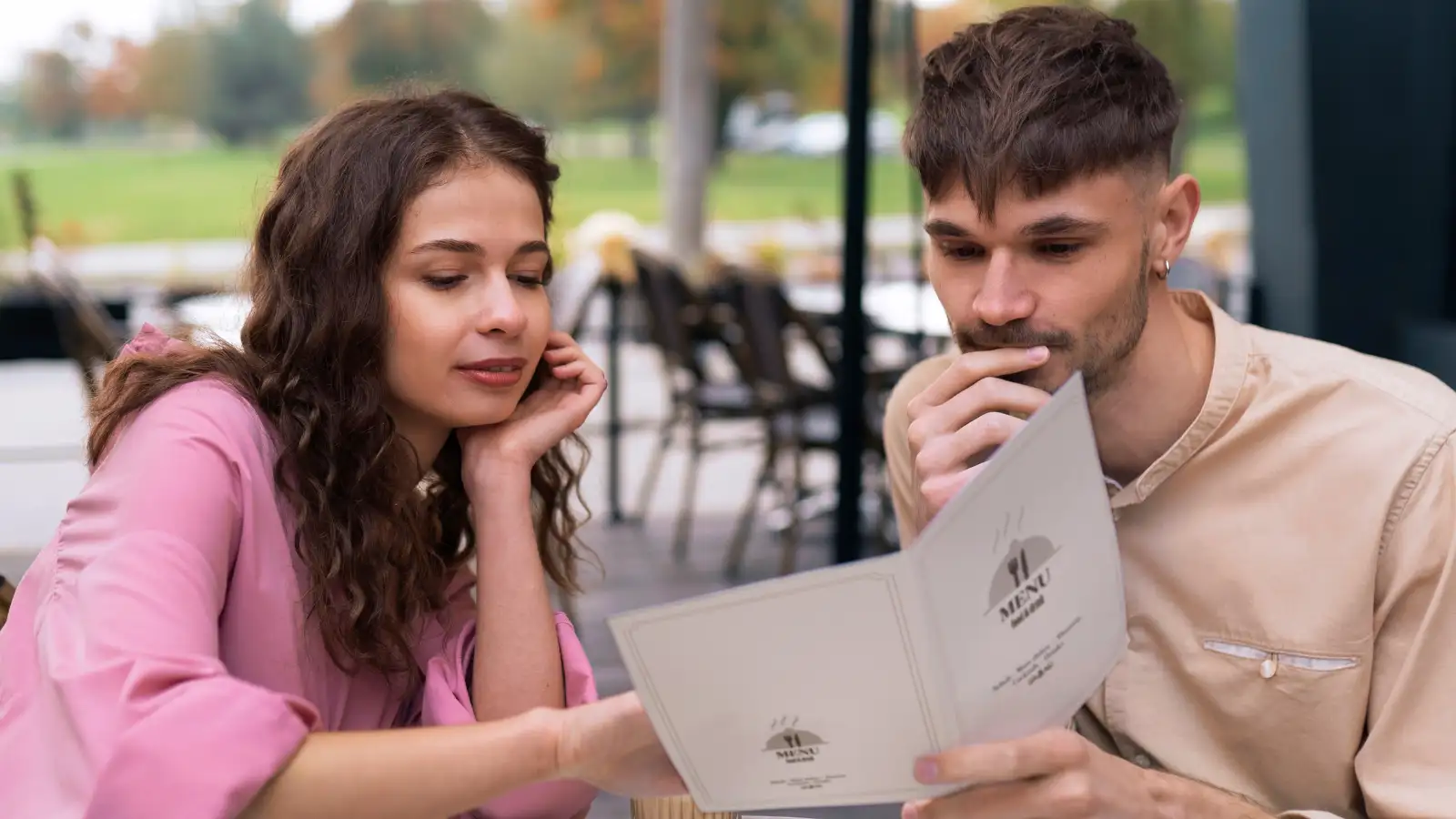
A meal is a shared social experience designed to gauge personal compatibility, not a contract that strips a person of their autonomy.
Defenders of this transactional mindset often mask their entitlement behind arguments of "politeness" or "fairness," claiming that if one party covers the bill, the other must balance the scales. This logic is fundamentally flawed.
True politeness on a date involves basic mutual respect, engaging conversation, and an honest exchange of time. If a man chooses to pay - whether out of traditional chivalry, personal pride, or simple generosity - that action must remain a free choice. If your generosity vanishes the moment you realize physical intimacy isn't guaranteed, it was never generosity to begin with; it was a manipulation strategy.
Dismantling the Transactional Entitlement
The belief that a financial gesture automatically buys emotional or physical compliance is a dangerous mindset. When a man views a dinner bill as a financial investment expected to yield a specific physical return, he isn't participating in a date; he is treating an independent human being like a vending machine. This mentality turns hospitality into a coercive tool. It reduces a woman's agency to an item with a price tag, perpetuating the belief that a woman's boundaries can be circumvented for the cost of an upscale entree.
A meal is a shared social experience designed to gauge personal compatibility, not a contract that strips a person of their autonomy.
The Flawed Logic of "Reciprocity"
Defenders of this transactional mindset often mask their entitlement behind arguments of "politeness" or "fairness," claiming that if one party covers the bill, the other must balance the scales. This logic is fundamentally flawed.
True politeness on a date involves basic mutual respect, engaging conversation, and an honest exchange of time. If a man chooses to pay - whether out of traditional chivalry, personal pride, or simple generosity - that action must remain a free choice. If your generosity vanishes the moment you realize physical intimacy isn't guaranteed, it was never generosity to begin with; it was a manipulation strategy.
Rewriting the Rules for Modern Dating
To fix this dynamic, modern dating culture needs an immediate, collective mindset adjustment:- Normalize Separating the Bill: If covering a meal creates an internal sense of financial resentment or an expectation of a return, split the check from day one. Splitting the bill preserves absolute independence for both sides.
- Define Generosity Honorably: If you choose to pay, do it because you want to be a gracious host for the evening, completely detached from any expectations of what happens after the dinner ends.
- Respect Autonomy Over All Else: A woman's right to say "no" or express a lack of romantic chemistry remains absolute, regardless of how expensive the restaurant was.
Next Story